WED 2022
There is #OnlyOneEarth. An amazing nucleus of life and landscapes.
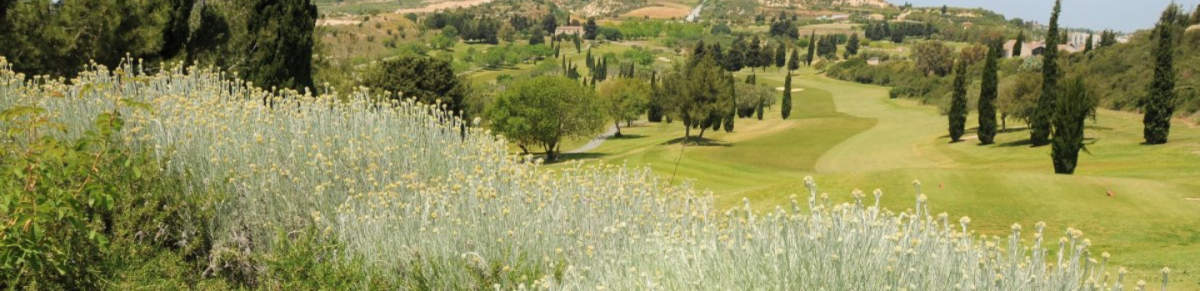
On that one earth there are approximately 39,000 golf courses, in over 200 countries, covering an area roughly the size of Belgium.
This is land that, in many ways, is already well stewarded. Clubs and their course managers are predisposed to stable, long term protection of greenspace.
Many clubs – more than people know - already think and act with sustainability and climate action in mind, and there is a movement for many more to do the same.
The big question we ask this World Environment Day is – are we doing enough, quickly enough?
.png)
1. How can we accelerate and scale golf’s actions?
2. How can we maximize golf’s positive impacts on nature and communities?
3. How quickly can we adapt and innovate to conserve more resources?
Issues and examples in focus
The WWF’s Living Planet Report in 2020 found that the world has seen an average 68% drop in mammal, bird, fish, reptile, and amphibian populations since 1970.
As custodians of important and diverse ecosystems from links, heathland, and parkland courses, to desert environments, everyone working in golf has the opportunity to play their part.
Whether you’re a greenkeeper/superintendent at a 9-hole public golf course, a general manager at a prestigious 72-hole resort or a tournament director at a high-profile event, fostering nature can be high on your sustainability agenda. Taking positive actions for biodiversity and also creating better living landscapes for people to enjoy.
.svg)
.svg)
Analysis from the International Energy Agency (IEA) found that in 2021, energy-related carbon dioxide emissions rose by 6% globally to 36.3 billion tonnes, their highest ever level.
Finding ways to reduce carbon emissions from day-to-day operations is coming into focus for every business and industry, and golf is no different. Energy efficiency and renewable energy sources; reduction in waste from better purchasing and disposal; naturalization of out of play areas and turfgrass management designed to minimize the need for inputs; progressive irrigation management; electrification of course maintenance equipment and use of biofuels; and communicating the commitment efforts to help inspire others – just some of the ways golf courses, tournaments can take climate action.
New golf developments can also plan ahead to lower emissions. This year’s European Institute of Golf Course Architects (EIGCA) annual conference is focused on the theme - Is the climate emergency a golf emergency? A Driving Net Zero Event for Golf Development and Design.

Figures from UNEP show that the world generates in the region of 400 million tonnes of plastic waste annually. Around 85 percent of single-use plastic used for food and drink containers either ends up in landfills or as unregulated waste.
More and more is being done to make sure plastics are recycled, and eliminating single-use plastics in golf clubhouses, equipment and merchandise packaging, and at professional tournaments is another step golf can take.
Looking at what is purchased and how that is recycled, reused or disposed of is becoming second nature at more and more golf facilities around the world. From sustainable bamboo tees, compostable food and drink containers, recycled wood for tee markers and course furniture, and featuring sustainable clothing lines are just some examples of how golf is working to conserve resources.
.svg)

Is enough being done to protect living landscapes?
With the theme of World Environment Day 2022 being Only One Earth, we dive deeper into golf's unique responsibility to create and maintain spaces for people and nature.
Each year, World Environment Day is hosted by a different country where the official celebrations take place. The host country for 2022 is Sweden. World Environment Day 2022 will be an opportunity to showcase some of Sweden’s pioneering work on the environment over the past 50 years.
Sweden is one of the countries at the forefront of sustainability in golf. With over 500,000 golfers playing on 449 courses across the country, the Swedish Golf Federation has a long commitment to research and support, helping golf clubs to protect and foster nature on their landscapes and be recognized for their efforts. Sweden is also home to the Scandinavian Turfgrass Environment and Research Foundation - and the first and longest-running GEO Certified golf club in the world.
.png)