02 Feb 2022
This is a guest article written by Richard Holland of Wetlands International.
Water has always featured in the game of golf. Small burns meandered through some of the earliest Scottish courses, with the Swilken Bridge that crosses the burn at the 18th hole of the St Andrews Old Course being perhaps the most photographed of all time.
Water has become ubiquitous in golf course design around the world. Many of the world’s most famous holes are water holes – think about ‘Amen Corner’ and the 12th at Augusta or the Barry Burn that has caused several upsets at the 18th on the Carnoustie links.
Whether natural or artificial, areas of water on courses are ‘wetlands’ and consequently are more important to people than simply increasing the challenge or beauty of a golf course.
What are wetlands?
Lakes and rivers, underground aquifers, swamps and marshes, wet grasslands, peatlands, oases, estuaries, deltas and tidal flats, mangroves and other coastal areas, coral reefs, and all human-made sites such as fishponds, rice paddies, reservoirs and saltpans. Due to their diversity and presence in every country, wetlands are vital for people, climate and nature.
Although wetlands only cover a small percentage of our planet, they are essential systems – they are the arteries and veins of the landscape and are vital to human life. They are rich in nature and provide a home to 40 per cent of the world’s biodiversity. They act as water sources and purifiers. They protect our shores and coastal communities from storms and tidal surges. They store more carbon than forests in the fight against climate change and provide livelihoods, food and fresh water to billions of people worldwide.
The global value of wetland ecosystem services for people is estimated to be $47 trillion a year. That’s more than twice the size of the US economy! The importance of wetlands is recognised globally in the Ramsar Convention and is celebrated each year on 2 February on World Wetlands Day

What is Ramsar?
The Ramsar Convention (1971) is an inter-governmental treaty dedicated to the conservation and wise use of all wetlands. In 2021, 172 governments had signed up to the convention and designated over 2,000 sites for protection and wise use that cover an area of more than 200 million hectares (about four times the size of France).
Why are wetlands important on the golf course? Aside from providing a challenge to golfers and an attractive setting to play the sport, wetlands contribute by:
Wetland value for nature in the Netherlands
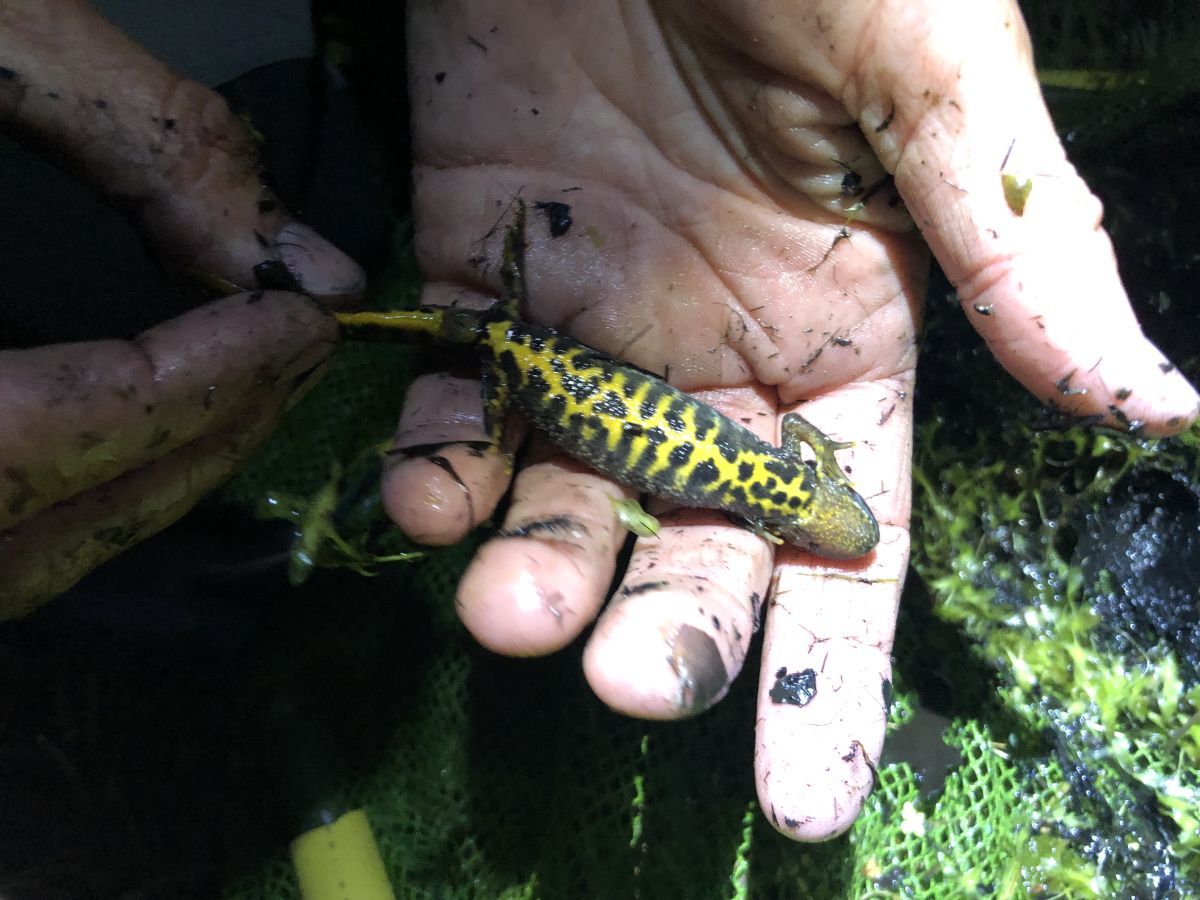
At the golf course where I play in the east of the Netherlands, recent surveys identified the endangered great crested newt and 22 species of dragonfly which represents about 30 per cent of the dragonfly diversity in the Netherlands. This is striking for an area of 60 hectares with only two small ponds and various ditches that often dry out. To help these species, a greenkeeping protocol has been set up to preserve the pond’s habitat, its banks and to create a buffer zone.
There are concerns as well, of course. Creating artificial water hazards and irrigating golf courses in countries with severe water shortages can lead to conflicts with local communities and create a negative image of the sport. A better understanding of wetlands can also help here. Many wetlands are dry for parts of the year and only have water after periods of rainfall. So in dry areas, a new concept of a water hazard is needed as well as judicious use of irrigation water that is appropriate for the environment of the region.
 GEO Certified Prince's Golf Club, England
It is understandable that golf course owners, superintendents and managers are not experts in wetland management. Their focus and knowledge are on other important subjects. Fortunately, there is a wealth of guidance and examples readily available to such leaders in golf through the ‘OnCourse programme’ managed by the GEO Foundation for Sustainable Golf. The OnCourse approach demonstrates clearly how good golf course management goes hand in hand with good wetland management and other more sustainable practices.
If golf wants to build a more positive image in society and attract a new generation of players, then taking action to protect and manage the wetlands on courses is essential. To achieve this, we need a shift in how we think about water on golf courses – less in terms of a hazard and more in terms of the benefits it brings to people and nature.
Richard Holland is Director, Operations and Network Development at Wetlands International. He has broad environmental experience and has also worked with WWF, the Global Environment Facility (UNDP), and the European Commission.
Browse the Sustainable Golf Highlights Hub to see how other golf courses are creating and managing wetlands to play their part.