12 Nov 2024
Golf as a catalyst in the Green Economy: Driving a new model of economic development
Large and small businesses around the world are facing complex challenges, including climate change, the rising price of consumables, and increasing demand for sustainable practices and credentials.
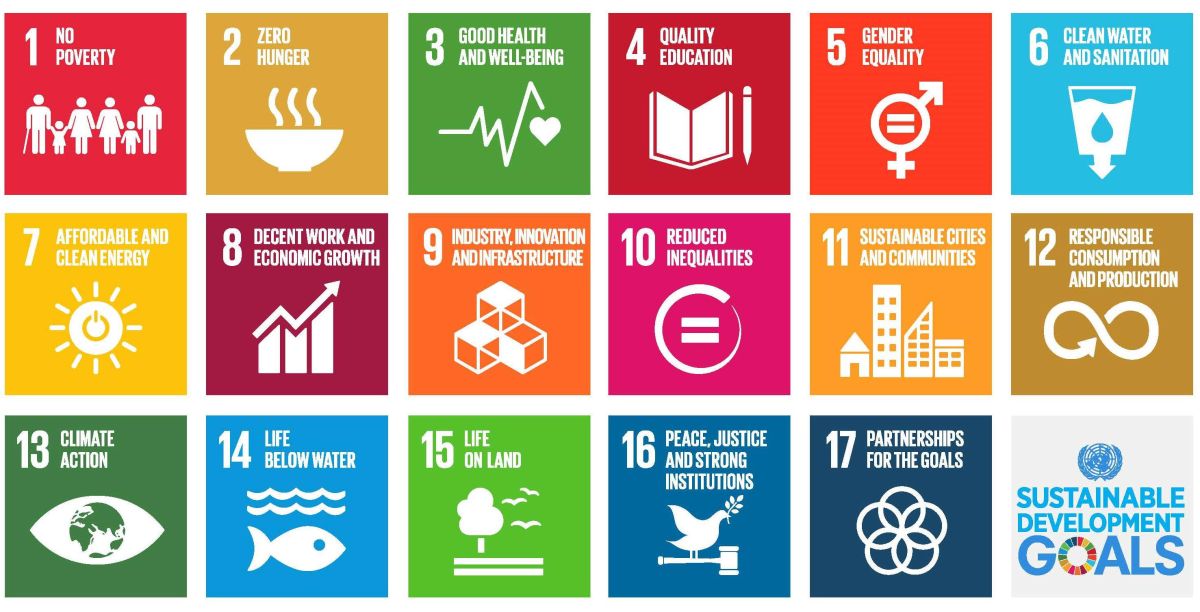
Thus, after decades on the fringes of the political landscape, there is a renewed focus on the Green Economy. Driven in part by a global commitment to Net-Zero and The UN’s Sustainable Development Goals, governments are prioritising a new model of economic development; one which recognises planetary boundaries, regulates, or in certain cases limits, patterns of production and consumption, respects and nurtures the value of nature, and drives further investment in low-carbon jobs, resource-efficient technologies and landscape-scale regeneration.
What, though, does this mean for the sport of golf? How can the sector support and gain from an economy that respects natural limits to growth, improves quality of life, and delivers equitable outcomes for both current and future generations? This is an exciting prospect for golf.
Perhaps most excitingly, there is now widespread recognition that this transition can provide a new engine of economic activity. With the need to develop greener infrastructure, technology and ways of working, there is a unique opportunity to take a people-centred approach and create fulfilling opportunities in sectors that manifestly improve our wellbeing. Alongside a call for greener incentives and investments - taxing bad’s (resources), not good’s (labour), for example – there is increasing attention on meaningful, service-based industries.
For many, a priority focus on economies of care, craft and culture - instead of the mass consumption of physical ‘things’ - will reduce our material impact while providing more capacity to truly connect, create and express ourselves in ways that nurture the best of our humanity. Getting better, not bigger, is no longer a singular question of economics, but a more nuanced and practical response to some of the greatest crises in human history.
The game, with its global network of community sports facilities, new developments and tournaments, is, in many respects, already a nexus of sustainable economic activity.
A typical golf course is a natural capital asset, offering an economically viable way of creating ecosystem services. Most golf courses are located in the proximity of urban areas and can have 40-70% of the landscape available for habitat and biodiversity. And, with more emphasis on green infrastructure and the regeneration of our towns and cities, the sport will likely become an attractive prospect for investment in sustainable development, serving as a nature-based solution with benefits across biodiversity, climate and communities. Further efforts to restore habitat and biodiversity, embed nature into the cultural fabric of the game, and engage positively with policymakers and other community bodies, will help to shift perceptions and attract these innovative streams of support.
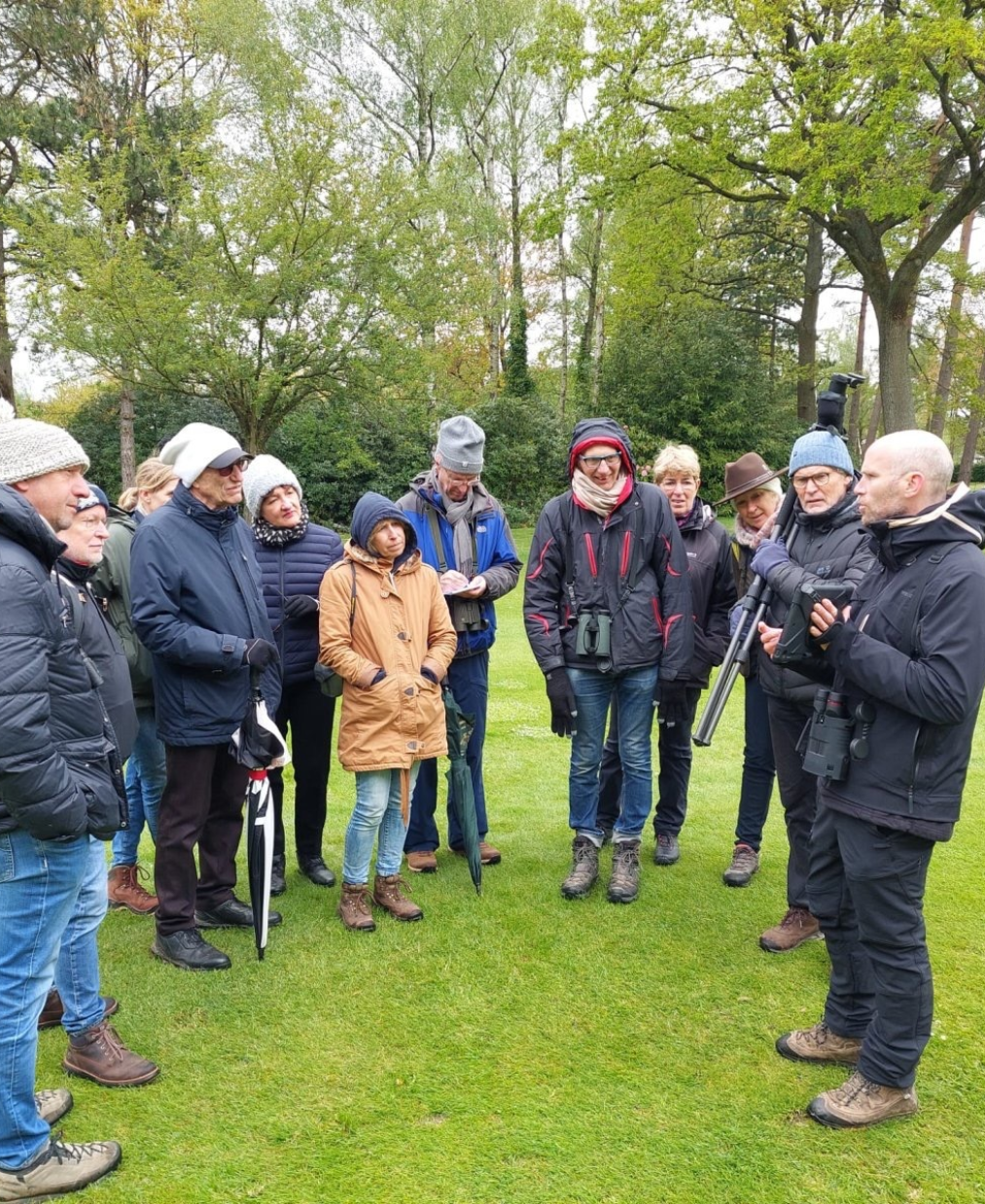
A tournament can also be a highly visible hub of innovation and incubation for a whole host of greener supplies and suppliers. Many international golf events are taking a comprehensive approach to sustainability and climate action, with a range of advances in cleaner energy generation, greener transport, player and spectator carbon offsets and zero waste to landfill, encompassing local sourcing, food waste composting and reusing and repurposing materials across the host golf course and community. There is also an ever-stronger focus on sustainability multipliers and legacies, extending from education and health initiatives to the inclusion of indigenous cultures. The recent Green Paper produced by the Foundation and partners explores the future of sustainable golf events and highlights how they can become an influential and visible showcase of the green economy in action.
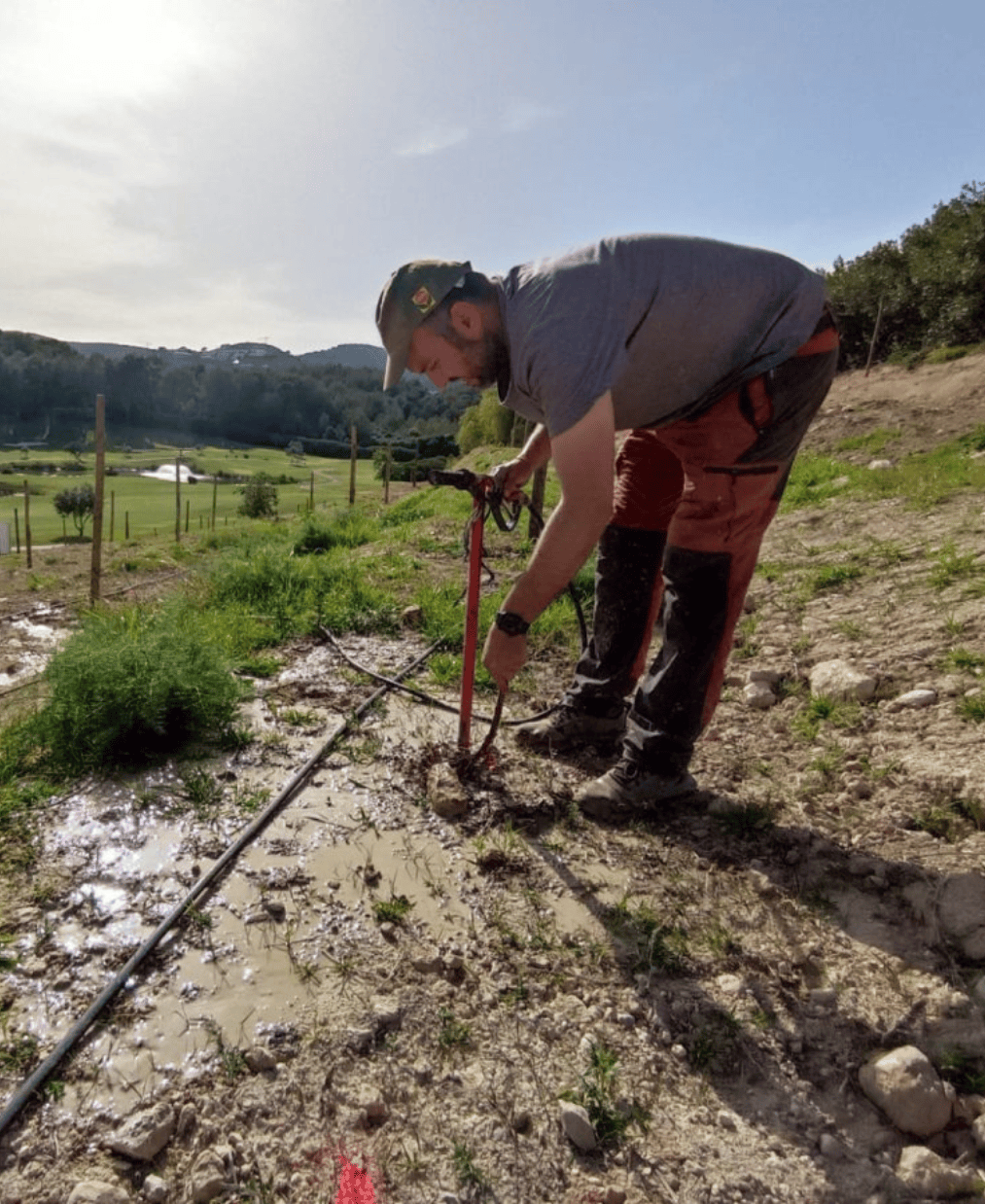
Golf also offers diverse employment in environmental management, leisure, hospitality and business. Modern greenkeeping typically requires a unique understanding of agronomy, biodiversity, waste and water management, with exciting developments in data analytics, habitat restoration, and the electrification of machinery and tools. As a global, land-based sector with a diverse and ever-evolving network of suppliers, golf could help to drive innovation and open markets for the green technology of the future. Regenerative practices, precision irrigation, renewable energy, closed-loop systems and efforts to incorporate local and lower impact products across supply chains are all beginning to inspire a new wave of activity across the sector.
Additionally, a sustainability framing that emphasises holistic, systems thinking and integrated approaches to landscape management could help to reposition the sector as a leading employer on the journey to a nature positive world. And, with more investment in green jobs, skills and training, the green economy can create even more opportunities to attract a fulfilled and highly skilled workforce. What was once considered a relatively limited career, could be sowing the seeds of next generation environmental management.
Likewise, the game also creates opportunities for people of every background and age to play, learn, and connect with their friends, family - and environment. With more efforts to reduce material inputs and reach new audiences, golf courses could become a community hub of low-carbon economic activity – offering a healthier (and greener) alternative to the local shopping centre! Here, golf courses could adopt a clearer social and environmental purpose, thinking and acting like mission-driven organisations that meet fundamental human needs and help to ‘decouple’ health and wellbeing from the rising consumption of physical products.
Further work on reimagining dominant conceptions of golf, focussing more on health, exercise and inclusive opportunities to reconnect with nature, are also opportunities to promote and extend the benefits of the game to those from different cultures and backgrounds. Facilities such as The R&A’s Golf It! in Glasgow, with its short course, relaxed dress code, and addition of a community allotment, cycle network and nature trail, is one of a growing number of grassroots facilities that offers a glimpse of the inclusive, community-based golf facility of the future. Burhill Golf and Leisure and other commercially owned and operated facilities are driving similar types of innovation.
Finally, and perhaps most importantly, golf has a responsibility to seize these opportunities by acting and advocating as a responsible, forward-thinking sector with nature and communities at its core. Although a great many golf courses are making positive strides to support sustainability and climate action, there is a need to drive further, and faster: repositioning the game as a welcoming and inclusive community asset; remaining open to new narratives of golf course design and management; engaging productively on social, pollical or economic developments; and, crucially, developing a much stronger and more concerted approach to understanding, improving and communicating the multiple forms of value that the game provides for local people and places.


