2024
In the Northeast, one of the most prevalent pests on golf courses is the Annual Bluegrass Weevil. This pest can cause significant damage to turf, particularly in cool-season grasses like annual bluegrass. The weevil larvae feed on the crown of the grass, weakening it and making it more susceptible to disease and environmental stress. If left unchecked, infestations can lead to large areas of dead or damaged turf, which can impact the aesthetic and playability of a course.
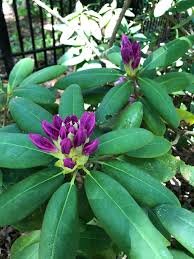
Through extensive university research, it has been found that the optimal timing for larvicide applications in the spring is immediately following the bloom of the ‘Catawba’ Rhododendron. Applying larvicide at this time ensures maximized efficacy, as it targets the larvae at a critical stage in their lifecycle. This strategy also reduces the need for subsequent applications, minimizing chemical use and reducing the environmental impact.
By planting this species on our property, we have been able to implement this effective scouting technique. This approach has helped us reduce the frequency of larvicide applications, leading to both cost savings and a more sustainable pest management program. However, continued vigilance is required to monitor for any signs of infestation, as the Bluegrass Weevil poses a significant threat to turf health if not managed properly.