Written by: Johanna Willi
2026
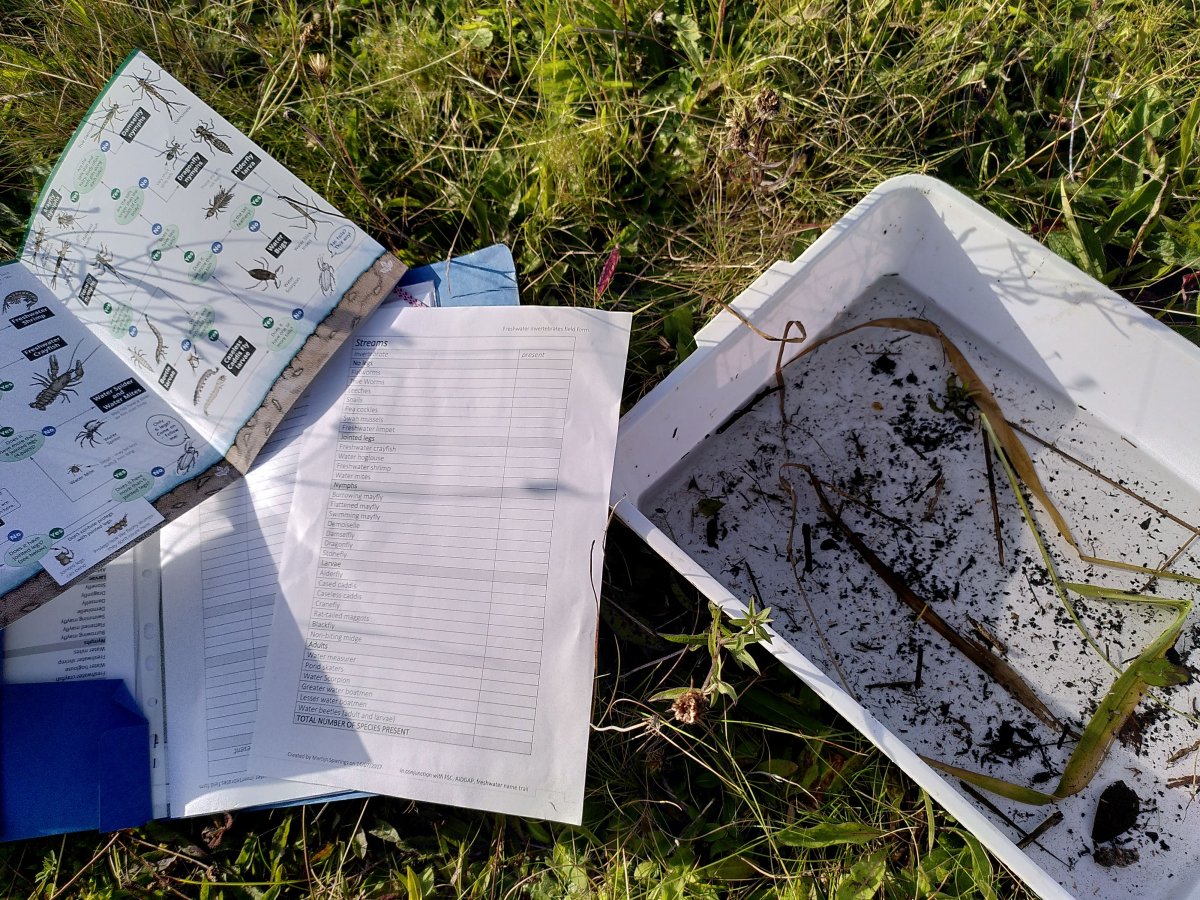
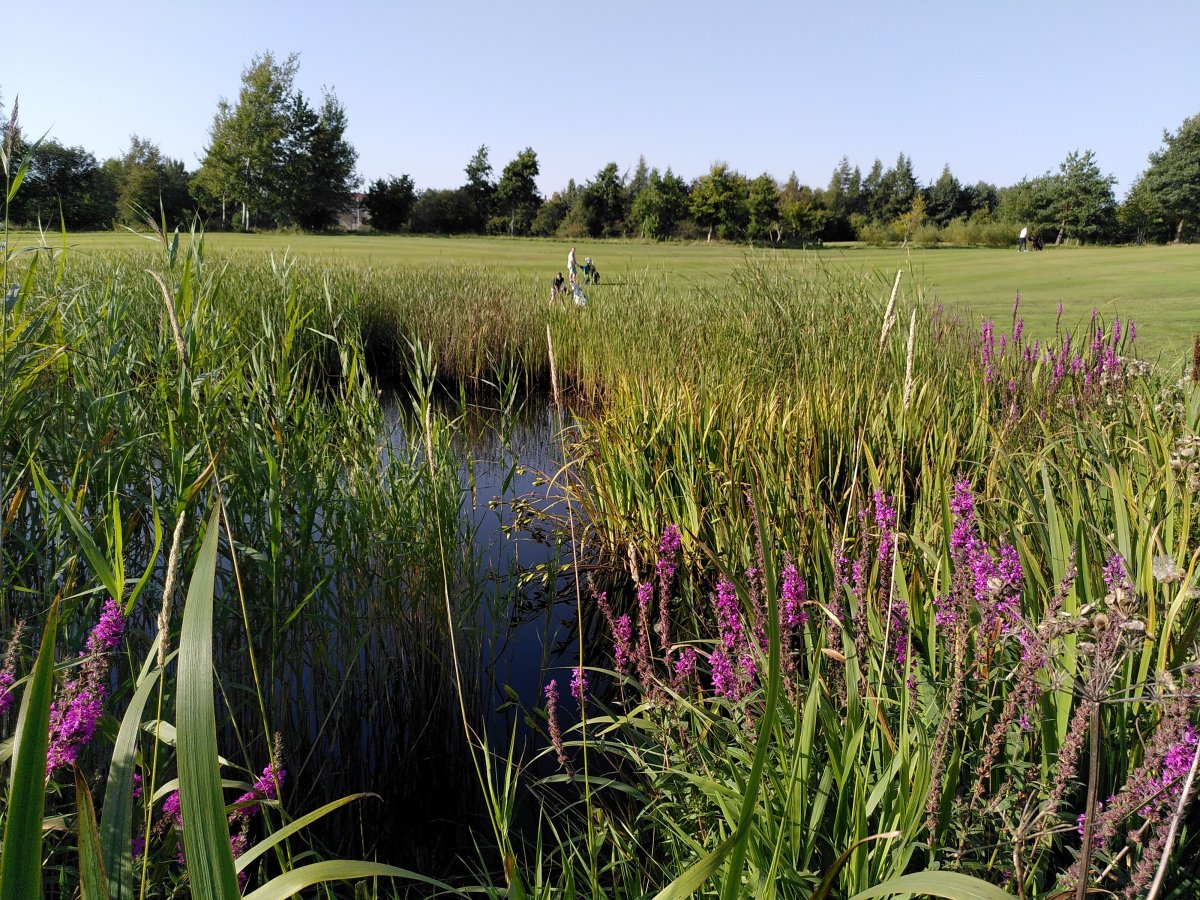
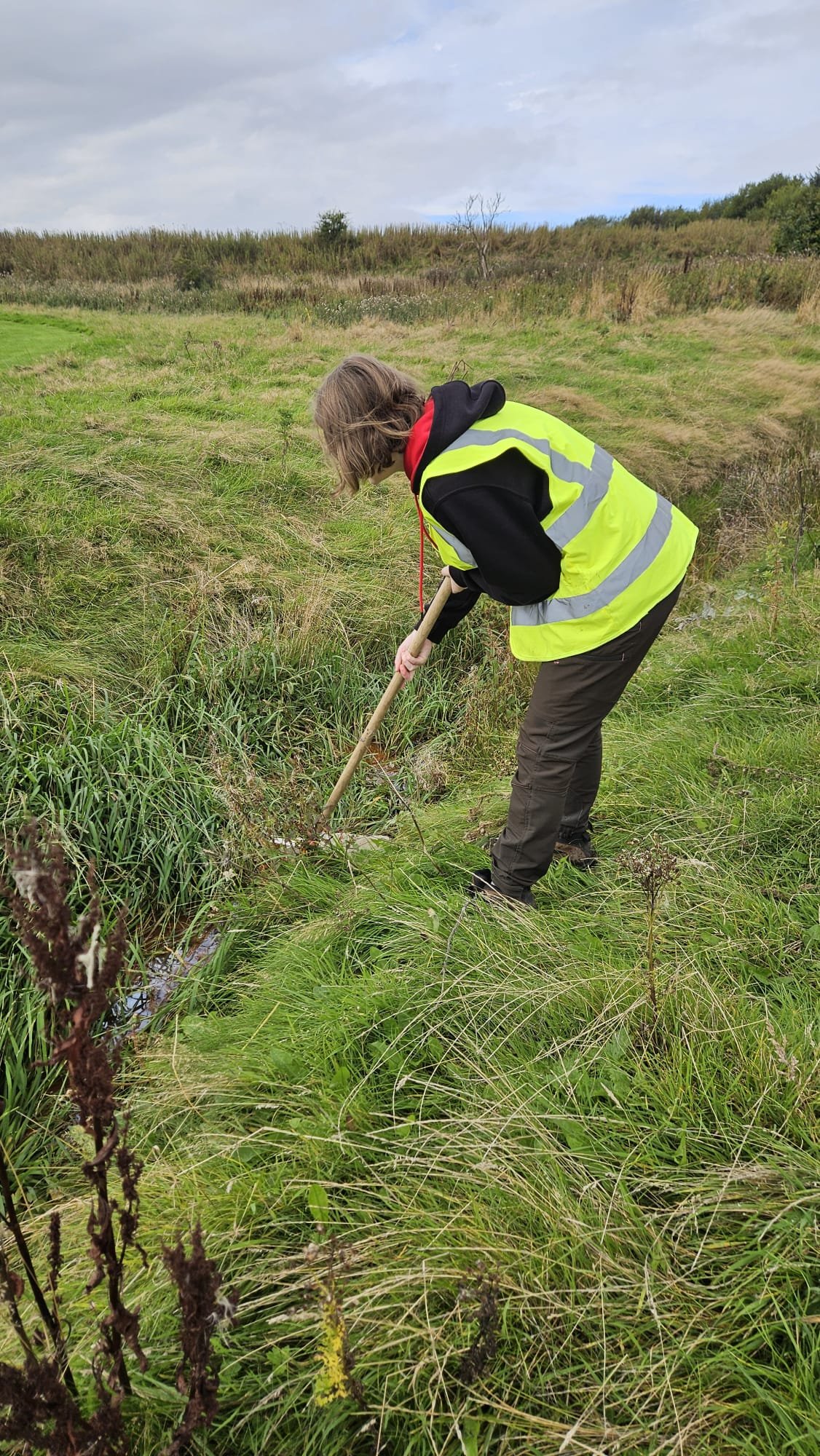
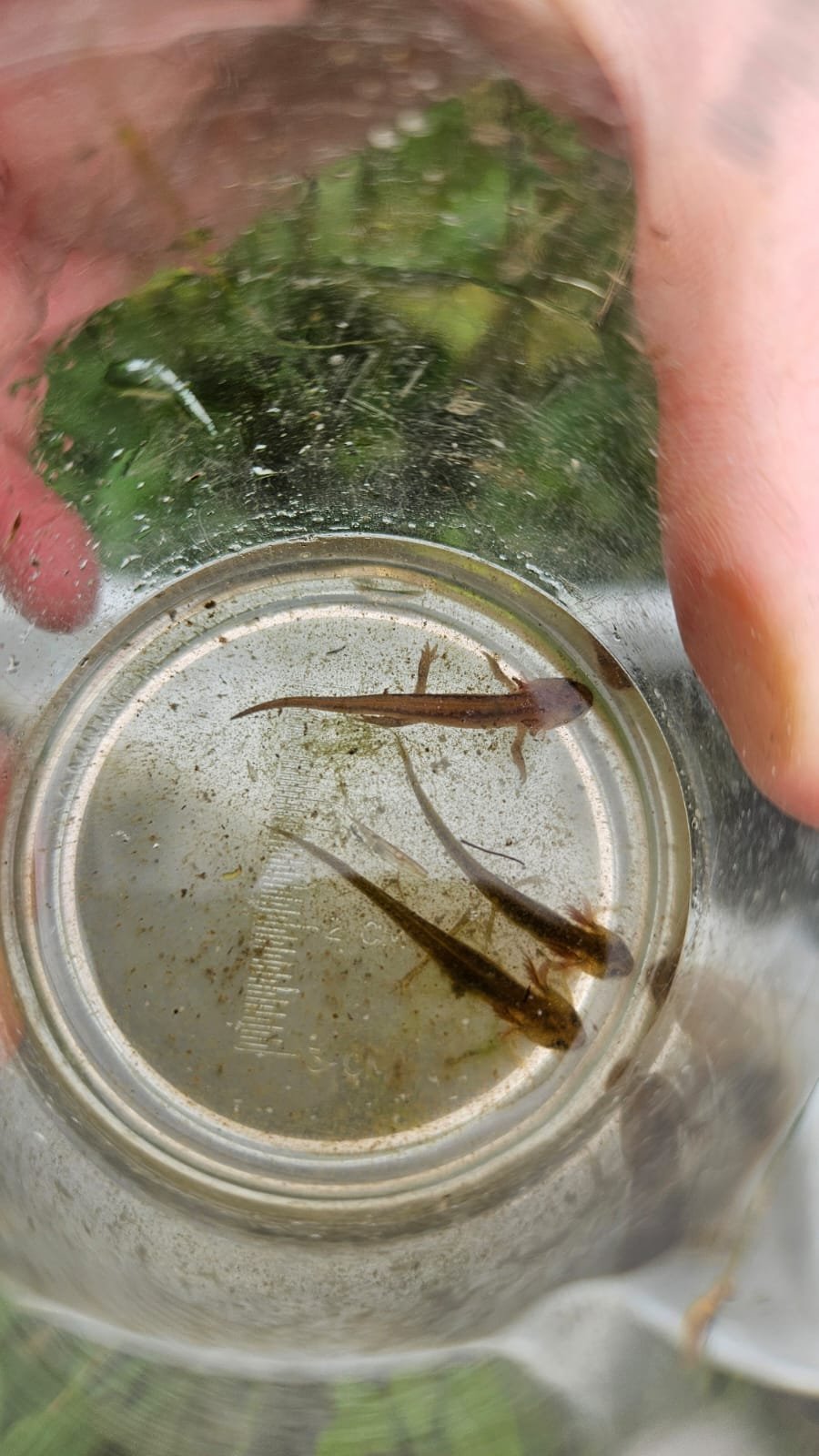
Freshwater monitoring has been undertaken annually since 2018 across ponds and watercourses to assess the health of freshwater habitats on the courses. Samples are collected and the aquatic invertebrates identified and recorded. Macroinvertebrates are useful indicators of water quality, as different groups have varying levels of tolerance to pollution. The results are used to calculate a biotic index, providing an indication of the overall ecological condition and cleanliness of the waterbody based on the type and range of invertebrate groups recorded.
The presence of a diverse community containing species that are sensitive to pollution can indicate good water quality, while communities dominated by more pollution-tolerant species may indicate poorer water conditions. Regular monitoring provides an opportunity to establish a baseline and track changes in freshwater biodiversity and ecological condition over time. This helps to assess the effectiveness of habitat restoration and management works, identify any emerging issues affecting water quality, and inform future management of ponds and watercourses across the landholding.