Written by: Pierre Rindlisbacher
2026
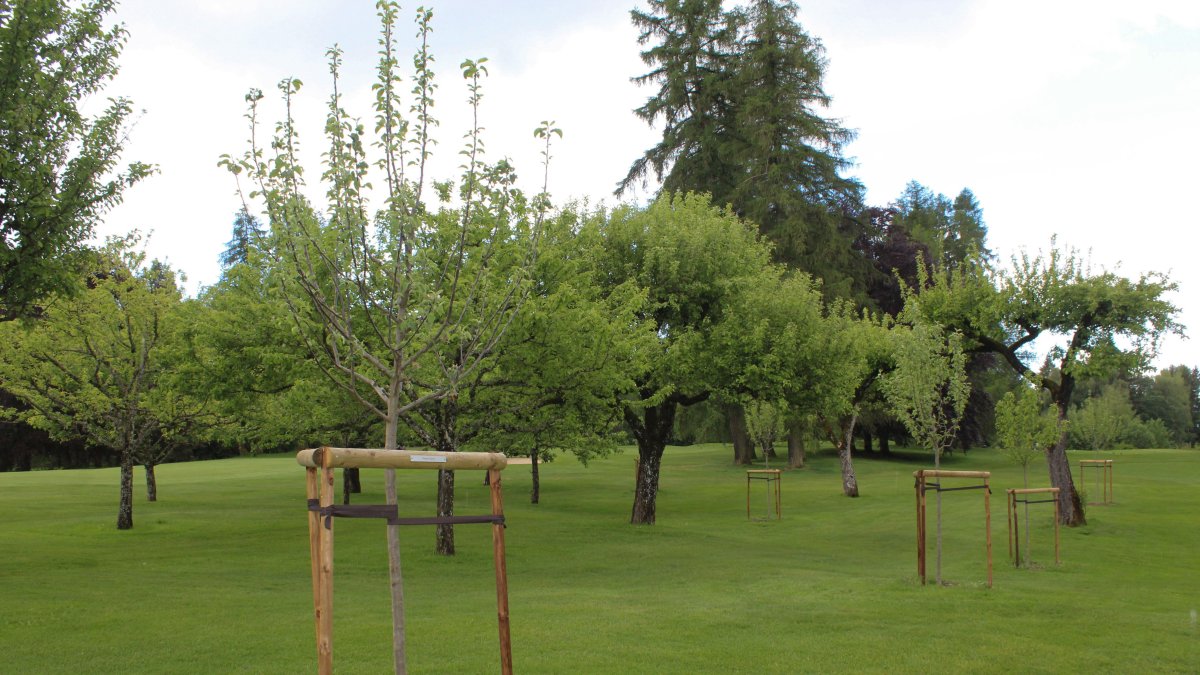
En 2026, notre club intensifie ses actions environnementales à travers l'initiative « Let’s Swing for Biodiversity », menée en partenariat avec Swiss Golf. Face à la disparition des vergers traditionnels dans notre région, nous avons planté 5 fruitiers indigènes haute-tige et 2 fruitiers pour renforcer notre nouveau verger (7 essences différentes). Ce site compte désormais 25 arbres, offrant une source de nourriture et un abri indispensable pour la biodiversité locale.
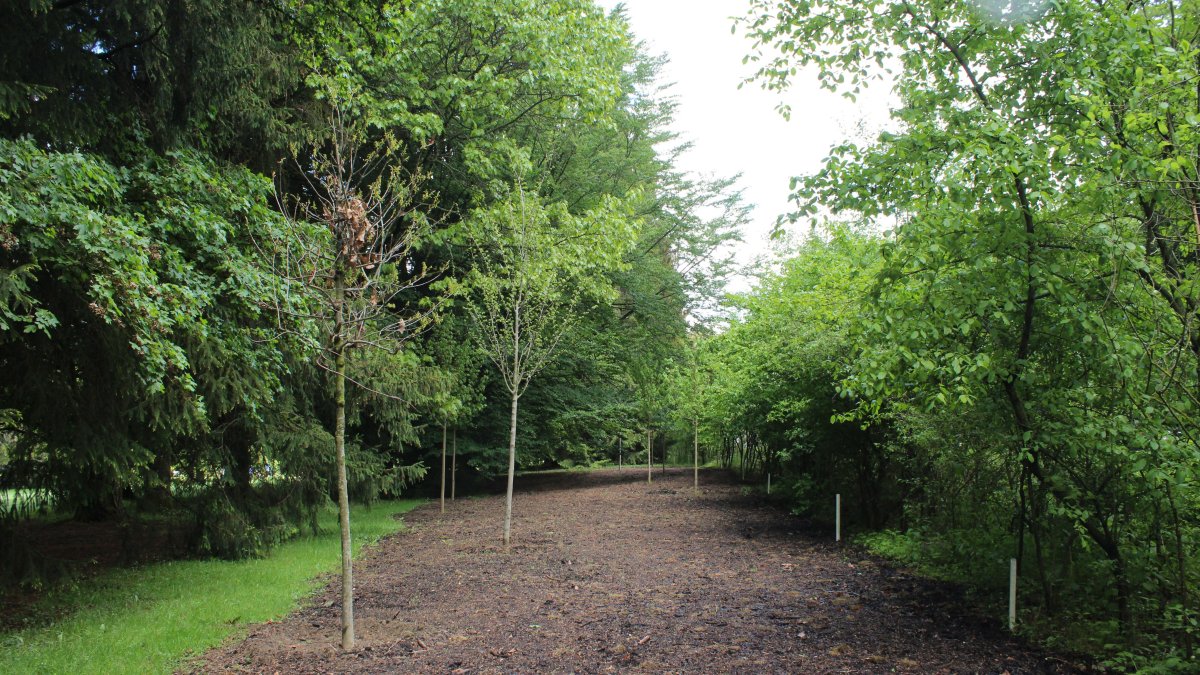
Nous agissons concrètement pour la résilience de notre patrimoine arboré face au changement climatique : • Agrandissement de la châtaigneraie : Trois nouveaux spécimens (classés A) ont rejoint nos plantations de 2023 dans une zone écologique dédiée, enrichissant la diversité de nos habitats forestiers. • Résilience face au bostryche : Pour remplacer les épicéas affaiblis, nous avons sélectionné des essences robustes et adaptées au futur climat, et ainsi planté des chênes rouvres, des érables et des ormes champêtres.
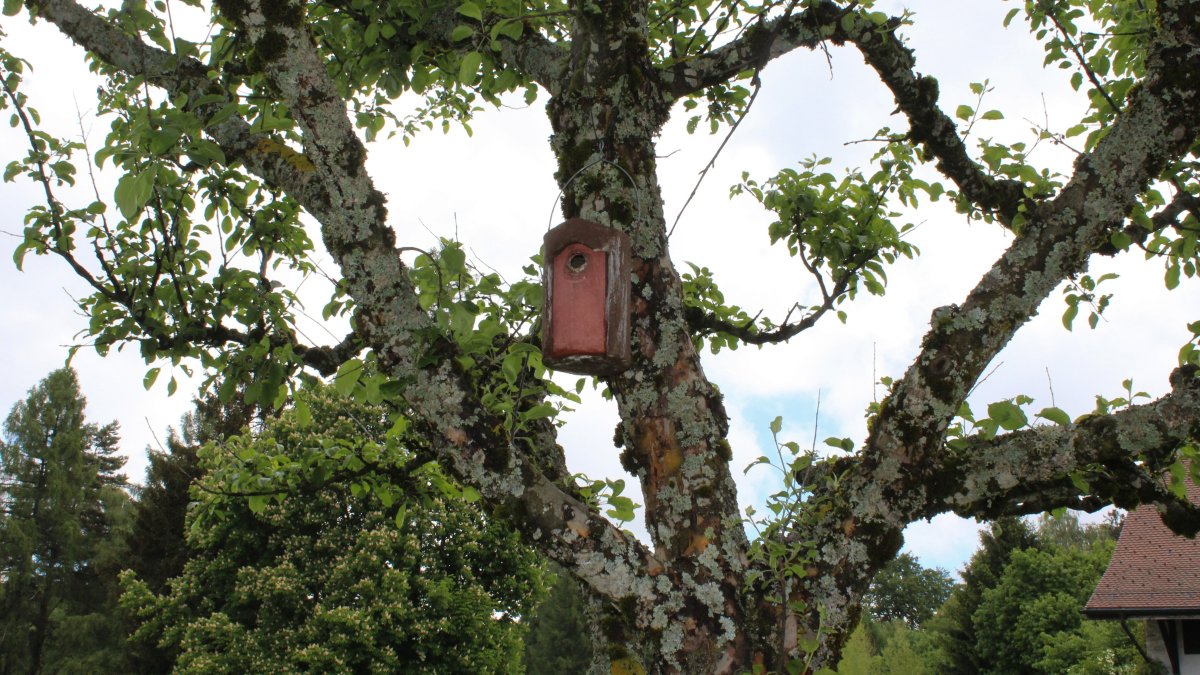
En plus du déplacement stratégique du nichoir pour le faucon crécerelle, nous avons installé 6 nouveaux nichoirs spécifiquement conçus pour soutenir deux espèces menacées et emblématiques : le rougequeue
2026
In 2026, our club is strengthening its environmental efforts through the “Let’s Swing for Biodiversity” initiative, delivered in partnership with Swiss Golf. In response to the decline of traditional orchards in the region, we have planted five native standard fruit trees alongside two additional fruit species, enhancing our newly established orchard. The site now hosts 25 trees, providing a valuable source of food and habitat for local biodiversity.
We are also taking targeted action to enhance the resilience of our tree landscape in the face of climate change. Three new chestnut trees have been added to our 2023 plantings within a dedicated ecological zone, enriching forest diversity. In response to bark beetle pressures, weakened spruce trees are being replaced with more climate-resilient species, including sessile oak, maple, and field elm.
To further support biodiversity, we have relocated a kestrel nesting box and installed six additional boxes designed for two endangered and emblematic species: the white-fronted redstart and the wryneck.