2024
Invasive plants, such as Canadian goldenrod (Solidago canadensis) and lupins (Lupinus polyphyllus), are alien species that pose a significant challenge at our club. While these plants can initially attract bees and other pollinators, they quickly outcompete native flowers and spread unchecked, creating long-term ecological issues.
One major concern is their impact on pollinators. Invasive plants often bloom for a short period, leaving bees hungry once native plants have been crowded out. This threatens the health of local insect populations and disrupts the balance of the ecosystem.
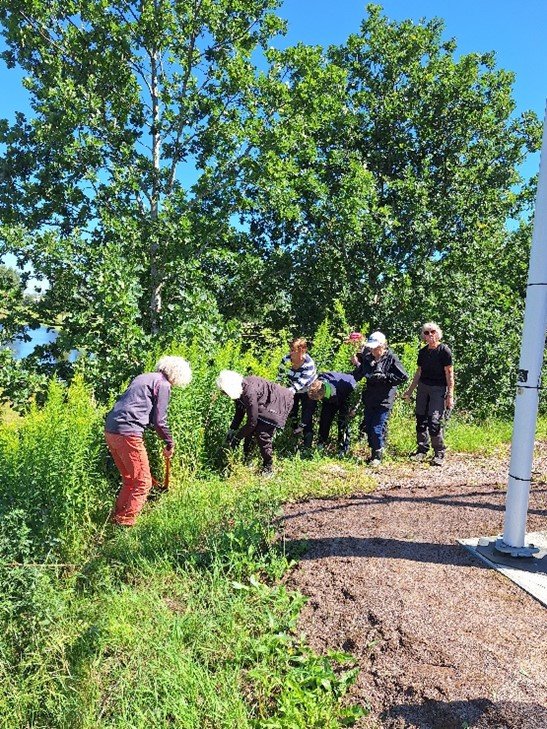
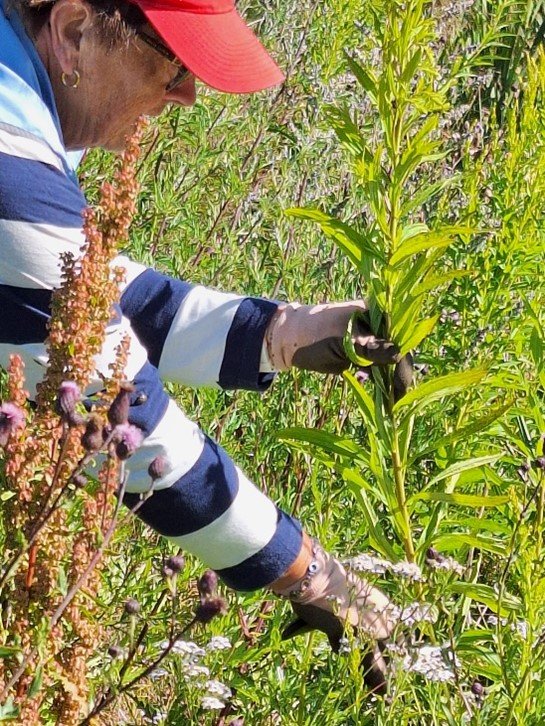
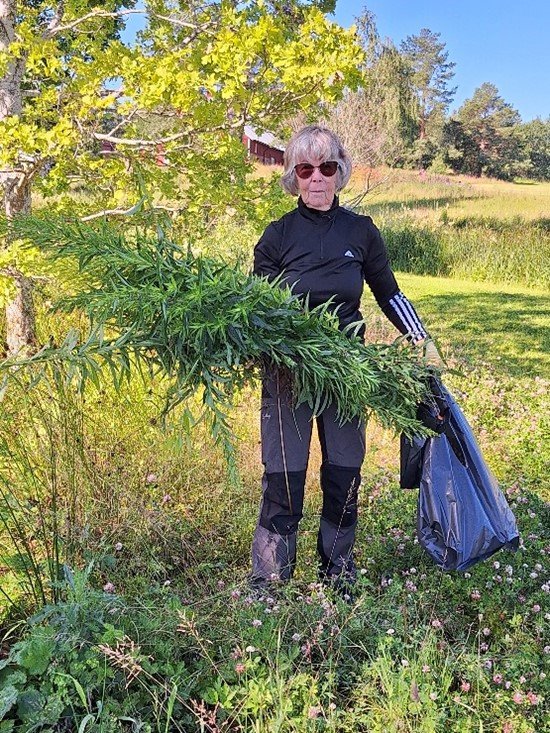
Recognizing this issue, a dedicated group of lady volunteers has stepped up to combat these invasive species. Their work involves cutting the plants, sealing them in plastic bags, and sending them off for incineration to ensure they don’t reseed. This effort will likely need to continue for several years until the invasive species are fully eradicated.
By tackling this issue, the volunteers are not only protecting the club's natural beauty but also supporting the native biodiversity that makes the course vibrant and sustainable. Managing invasive plants is a critical part of maintaining ecological balance and ensuring that pollinators thrive in harmony with the landscape.