
Step 1
Enrolment
Developments
Sustainable Golf Renovation
Noida Golf Club first opened in 1989 and quickly established itself as one of the most prestigious clubs in the Delhi-NCR region. Set on 97 acres, the course offers a genuine escape from the city that surrounds it on every side, and over the years it's become something of a green sanctuary for its members.
In 2024, the club took the decision to modernise both the course itself and the way it's run. With a long-term vision to become the premier golf facility in the region, and a catalyst for the growth of the game across India, Noida brought in golf course architect Vijit Nandrajog alongside GEO to help lead that change.
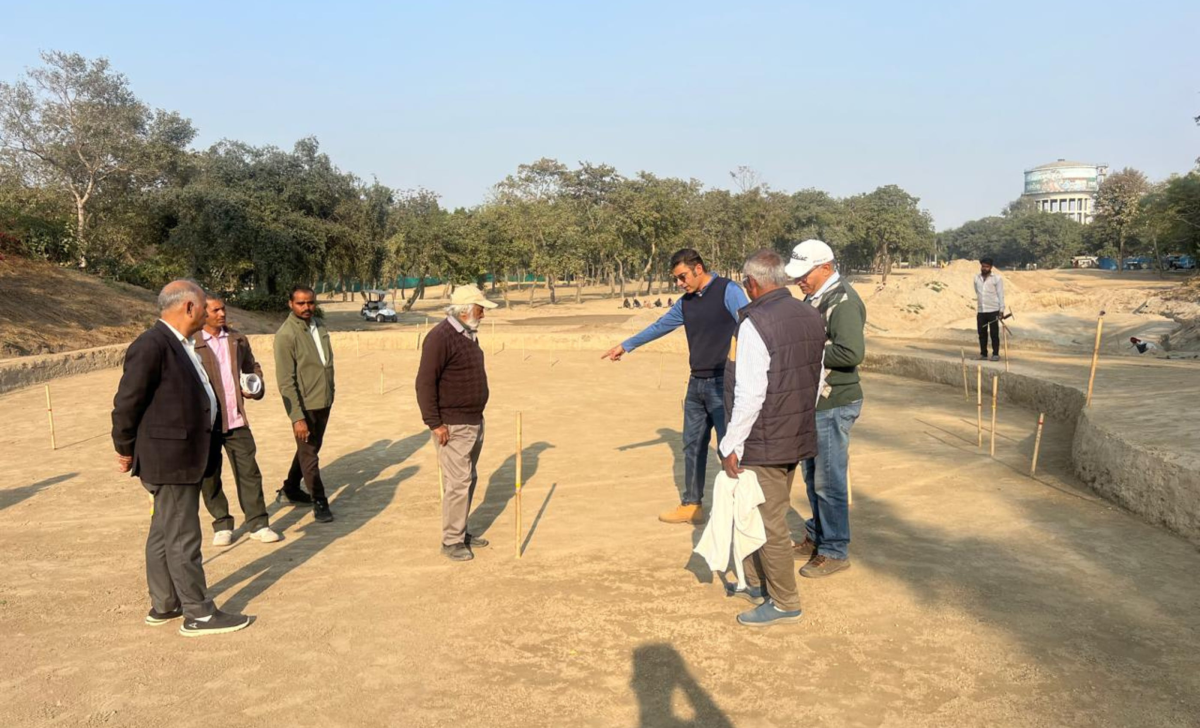
During a site visit to India, GEO worked closely with the project team to identify opportunities across playability, course quality, operational efficiency, cost and overall sustainability.
What stands out most is the passion for the game shared across the whole team — a passion that's driven a real determination to build something the members can be proud of, and something that could serve as a blueprint for sustainable golf throughout India.
TBC
TBC
One of the primary focuses of this renovation was the complete modernisation and upgrade of the irrigation system. The work presented an opportunity to refine the irrigation layout, so that only playing surfaces receive water going forward, alongside a much greater degree of control over the system as a whole. Combined with new mainline and lateral pipework, this will mean less water is needed to maintain the course to a high standard.
Alongside this work, a new source of irrigation water has been secured. The club has moved away from groundwater in favour of TSE and on-site run-off collection — sources which are far more sustainable than groundwater abstraction.
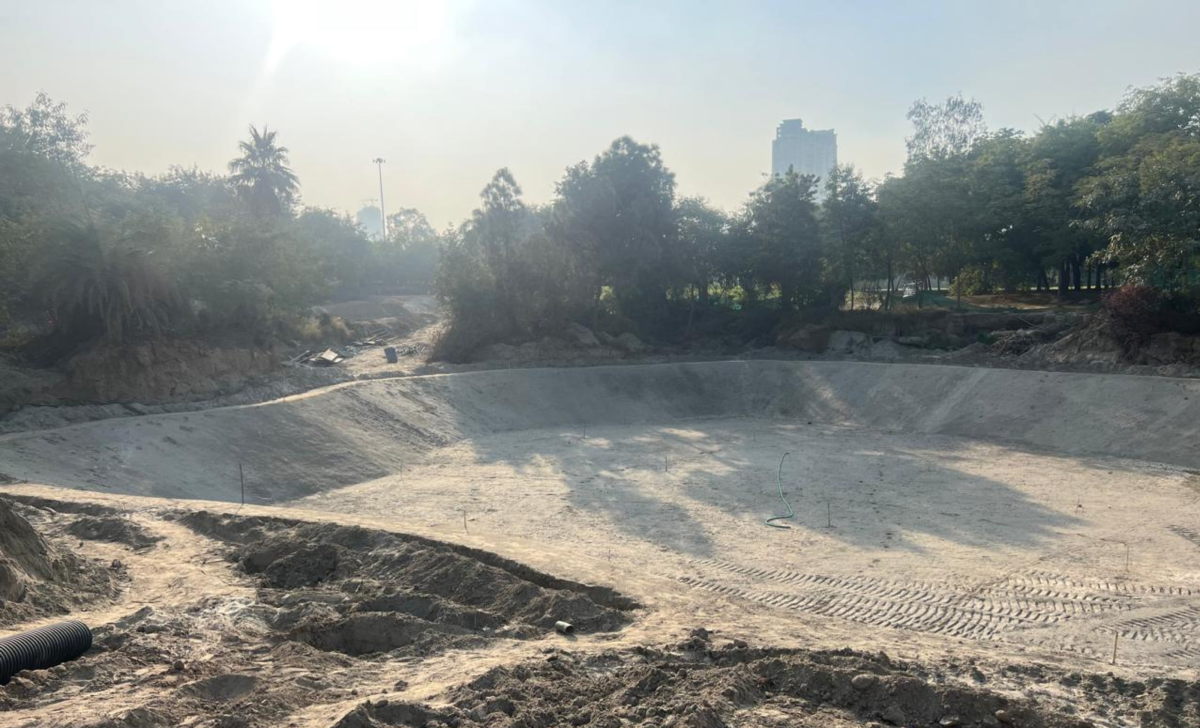
A new drainage approach has been taken across the golf course, with nature-based solutions driving the change. New grading throughout the course now directs surface water towards the new irrigation lakes, rather than relying on additional plastic piping.
The renovation also included clearing an existing drainage ditch through the site, which had become so clogged with vegetation and debris that it no longer functioned. Together, these works will help water move through the site in a more natural way, while minimising the resources required to do so.
When the course was first built, a species of turf was chosen that wasn't suited to the site's climatic or soil conditions. Over the years, the pressure this put on the turf led to it becoming heavily infested with broadleaf weeds.
The decision was made to re-grass the entire course with species better suited to the conditions — Bermuda TifDwarf and SunQueen. This will result in a better playing surface and far less fertiliser and pesticide being required on the course going forward.
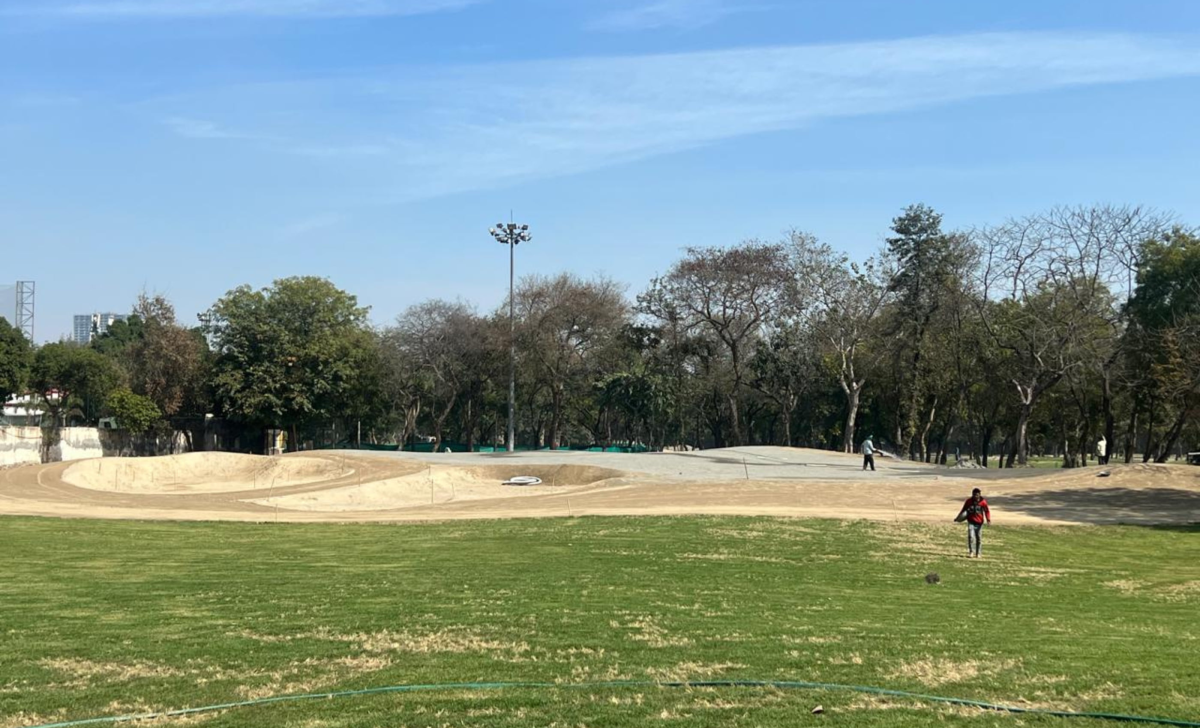
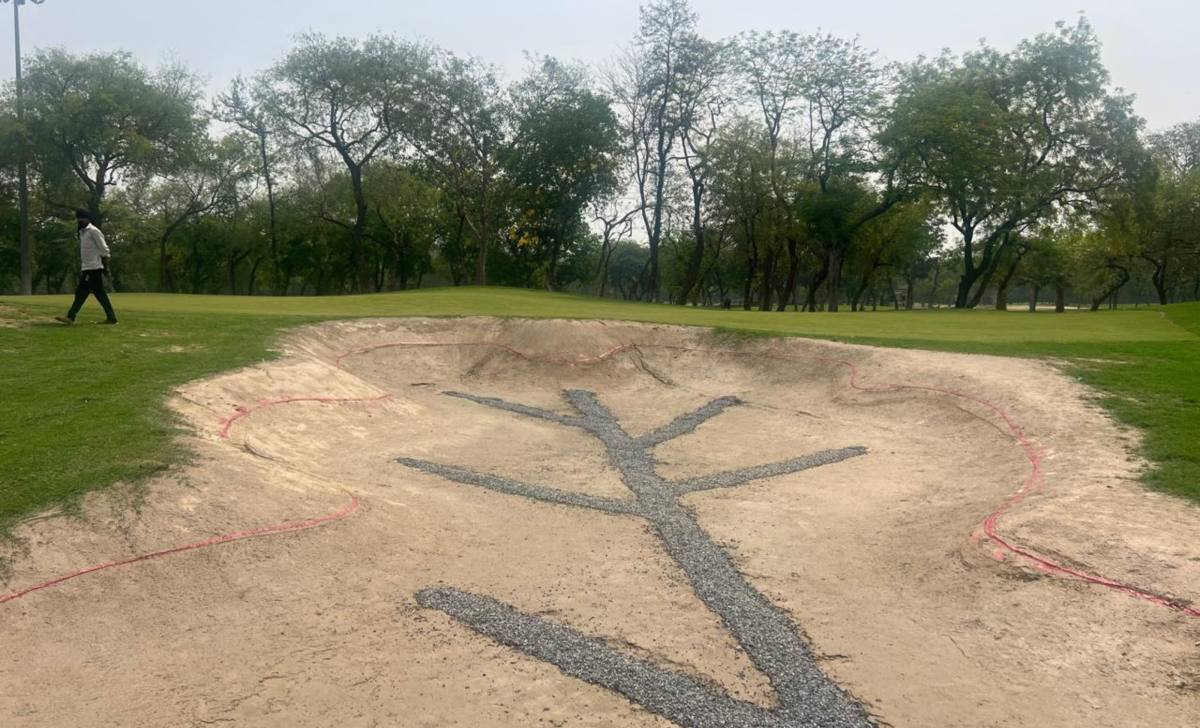
Bunkers can be some of the most intricate and time-consuming features to maintain on a golf course, and this was recognised during the works. Following an audit of the bunkers on site, the decision was made to reduce overall bunkering by 30%, with just under 4,000m² removed.
The bunkers that remained were then assessed for accessibility and ease of maintenance. Several were redesigned with simpler forms, making them more straightforward to maintain and less resource-intensive going forward.
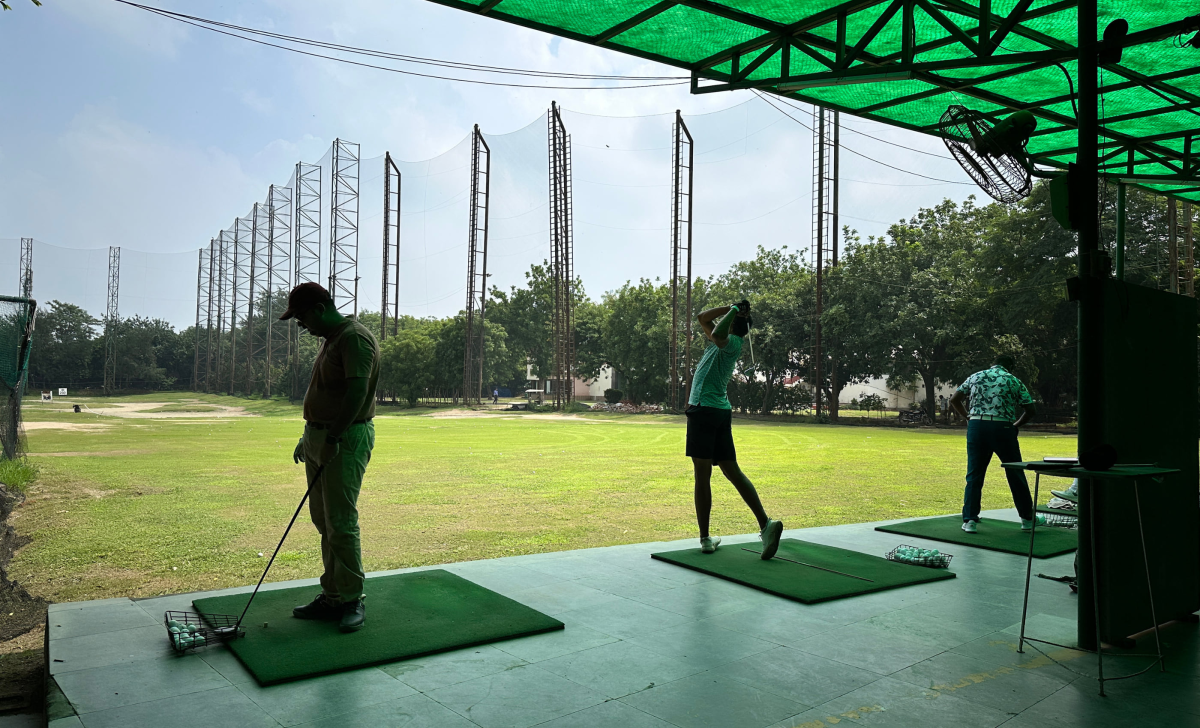
Working with clubs like Noida, where the members are so passionate about the game of golf, is always fun and fulfilling. The work that Vijit and the club have done so far will undoubtedly create not just a better golf course, but a more efficient and less resource-intensive one. There's still work to be done, but Noida has taken the steps required to take the club to the next level and become a flagship course for India.
Sam Thomas - Director, Golf Developments, GEO
Below is a series of Sustainable Golf Highlights uploaded by the club, detailing some of the great work that is currently being carried on and around the course.
A selection of summary reports produced as the renovation work has progressed.

