
Step 1
Enrolment
Developments
Sustainable Golf Renovation
Hoiana Shores finished grow-in and opened for play in 2020, possibly one of the hardest times to open a golf club due to the ongoing Covid-19 pandemic and the lack of international travellers visiting the area. Having said this, it quickly established itself as one of the premier golf courses in Vietnam.
Its dedication to sustainability was clear to see as it became the first course in South East Asia to achieve GEO Certified Development status in 2020. This dedication has driven the team at Hoiana Shores to push sustainability as far as they can.
Keen to carry on from their 2020 success, the club contacted GEO again in 2025 to help create a long term Sustainable Renovations Roadmap. This would look to the future and help the club to plan its next steps and finish projects which began in the development phase but were cut short due to the global pandemic.
During a subsequent site visit it was clear that there had been significant efforts made since the club opened to instil sustainability in their decision making, with a particular focus on community engagement and resource efficiency.
By following this process, Hoiana Shores Golf Club had set themselves to become the most recognised sustainable golf facility in South East Asia, and this status became official in late 2025 when they were awarded OnCourse Certified status. Read the official press release here.
We try to incorporate sustainability in our day-to-day actions here at Hoiana Shores, but we wanted to make sure that we were being proactive rather than reactive. For us, this is the best way to ensure that our course and club are resilient and relevant over the years. Working with GEO to create this long-term roadmap has really highlighted the areas we can focus on to gain meaningful wins and has helped us shape our project timeline for the next 20 years.
Long Nguyen Duc - Course Manager, Hoiana Shores
Recognising maintained turf as one of the most resource-intensive features of the golf course, the team carried out an ongoing audit of player patterns. This audit identified where players' balls most regularly ended up, and the routes golfers took around the course, allowing the team to pinpoint areas of managed turf that were rarely used.
This process enabled the team to reduce the total area of managed turf by four hectares, replacing it with native sand habitats that support local wildlife while remaining playable. It's a clever approach that lets the club adapt to how the course is actually played by visiting golfers, making real-world changes that architects could never have planned for at the design stage.

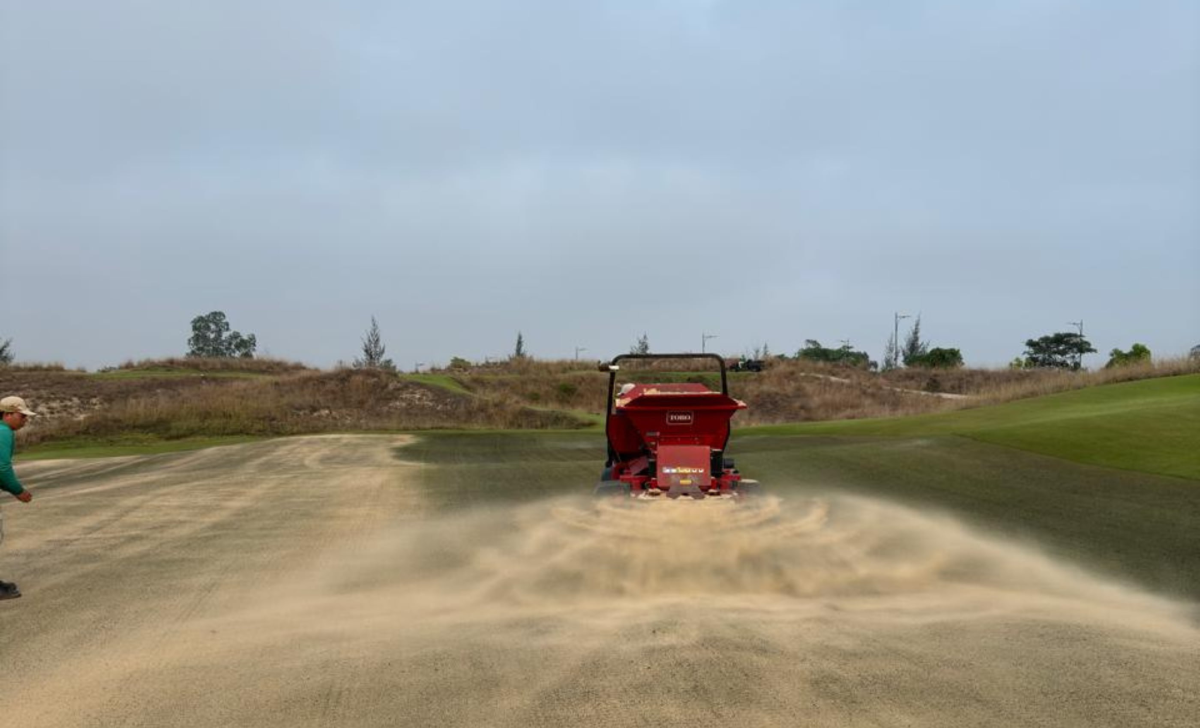
The team quickly recognised that the course would require a large amount of sand, both for topdressing and bunker top-ups. Importing sand from far away wouldn't be sustainable or financially sensible, so the decision was made to create a permanent sand quarry on site.
Hoiana Shores is fortunate to sit on a base of pure, high-quality sand. This has allowed the team to draw on that native sand not just during construction, but right through into ongoing operations.
The windy conditions on site present a unique challenge for the irrigation sprinklers at Hoiana Shores, often causing water to either miss areas of fairway or reach landscaping areas that aren't intended to be watered. Both situations risk wasting water, so the team has started carrying out daily audits to assess how conditions affect water arcs and coverage.
There has been no change to the irrigation system to date, but the club is building a bank of data to inform any layout changes in future, ensuring these are backed by research when they're made. The audits are also giving the team a more comprehensive understanding of how the system can be used in different conditions to minimise water waste — and as a result, the team have seen improvements in water efficiency since opening.

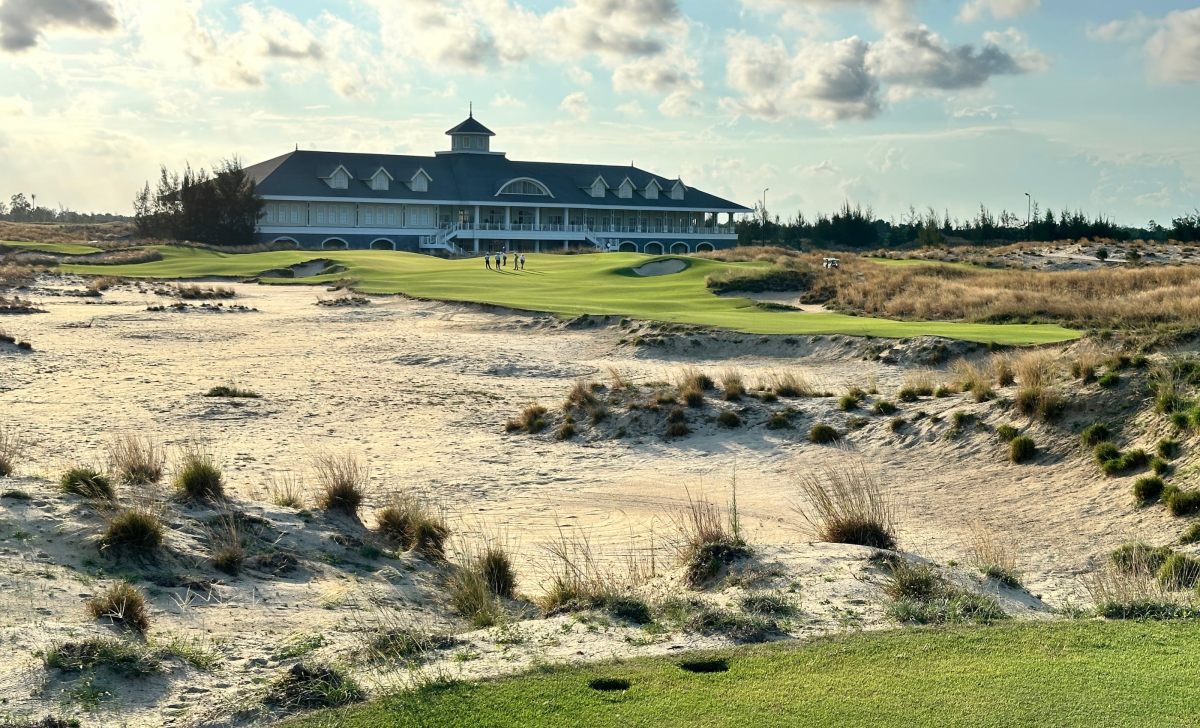
Since opening, the maintenance team have looked to ensure their practices are improving both course course conditions and course sustainability. Choosing to take cultural approaches to turf maintenance instead of using artificial inputs the club have been able to reduce their reliance on these artificial products.
They have also tempered golfer expectations, chasing fun and thoughtful golf rather than achieving the fastest greens possible. Keeping their greens at a speed of 9.7 the team are able to kee turf stress to a minimum which again, allows for less artificial inputs.
Seeing Hoiana Shores become the first course in the world to achieve both the GEO Development and OnCourse Certifications was a great moment of pride for me. Having worked with the team since the early design phase, it has been encouraging to see them embrace the principles of sustainability so fully and to have the desire to continue with this through operations. Working with the team to create this roadmap just demonstrates this dedication to me and shows they fully understand the value of long-term planning.
Sam Thomas - Director, Golf Developments, GEO
Below is a series of Sustainable Golf Highlights uploaded by the club, detailing some of the great work that is currently being carried on and around the course.
A selection of summary reports produced as the renovation work has progressed.

