Mike's interest in golf sparked at an early age in grade school while he was growing up in Northern California. In his time away from school Mike would spend every free minute at his local nine-holer, falling deeper and deeper in love with the sport. Soon after he started to draw golf courses during the school day.
His passion for the game kept growing as he progressed through school. He decided that he wanted to pursue a career in golf course design, which there isn’t always a clear route into. He chose to study Landscape Architecture at Arizona State University where he graduated with his degree. Luckily for Mike shortly after graduating, he was hired by Robert Trent Jones II Golf Course Architects. That was back in 2002 and he has been on the design team since then. Since then Mike has worked on projects around the world as a Senior Project Architect for RTJ II.

During the summer my father would drop me off in the morning at our local nine-hole course and pick me up at the end of the day. From that summer I was hooked!
Mike Gorman, ASGCA
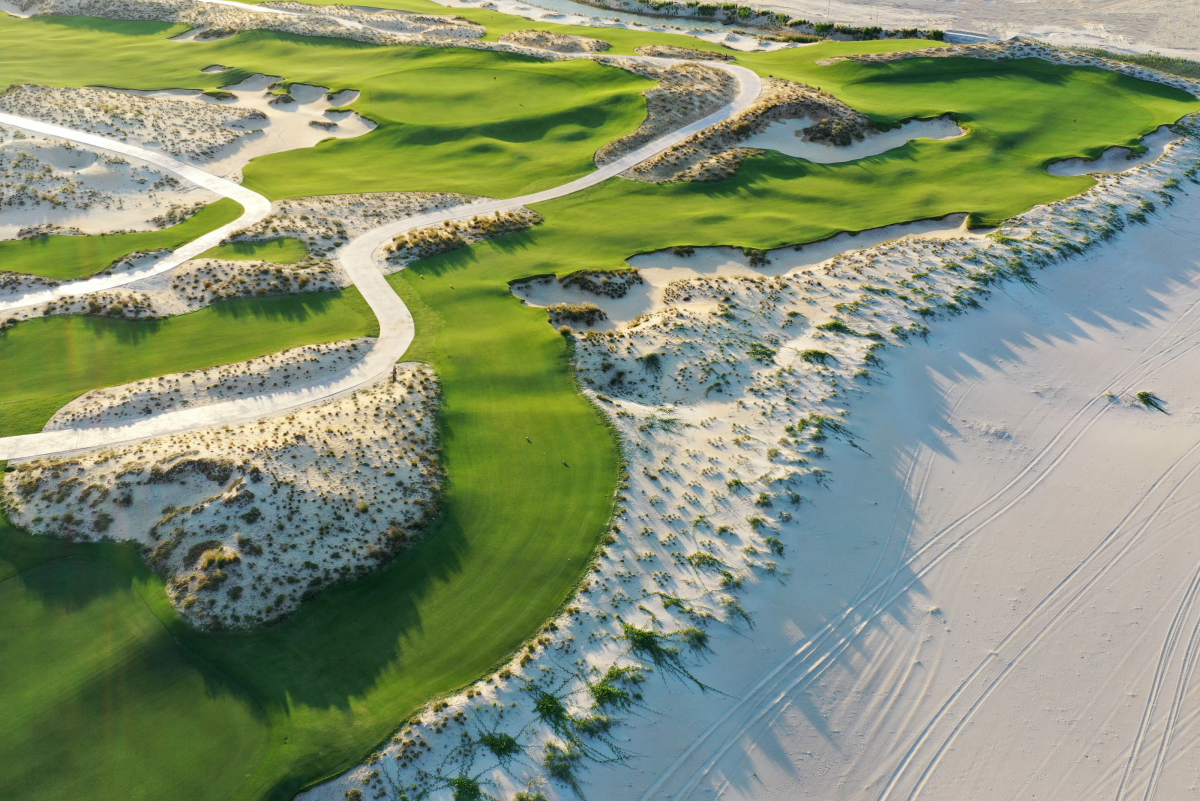
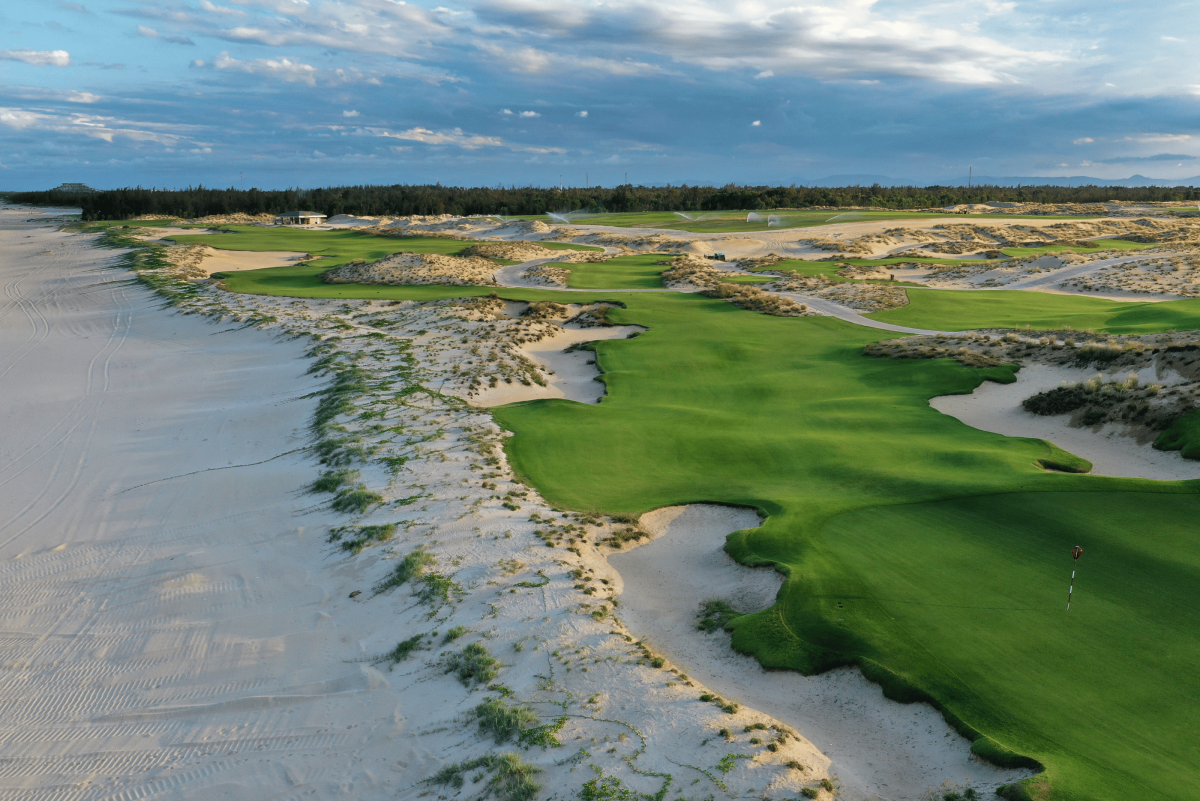
Mike was one of the lead designers for Hoiana Shore Golf Course which achieved GEO Certified Development status in 2020, making it the first Asia-Pacific to achieve this certification. The project regenerated a former fish farm into a world-class golf course intertwined with native habitats that had been lost for years. The site sits adjacent to a UNESCO World Heritage Village (Hoi An) which made it even more important that the course and landscape was authentic and true to not only the country but also the region.
Key highlights include:

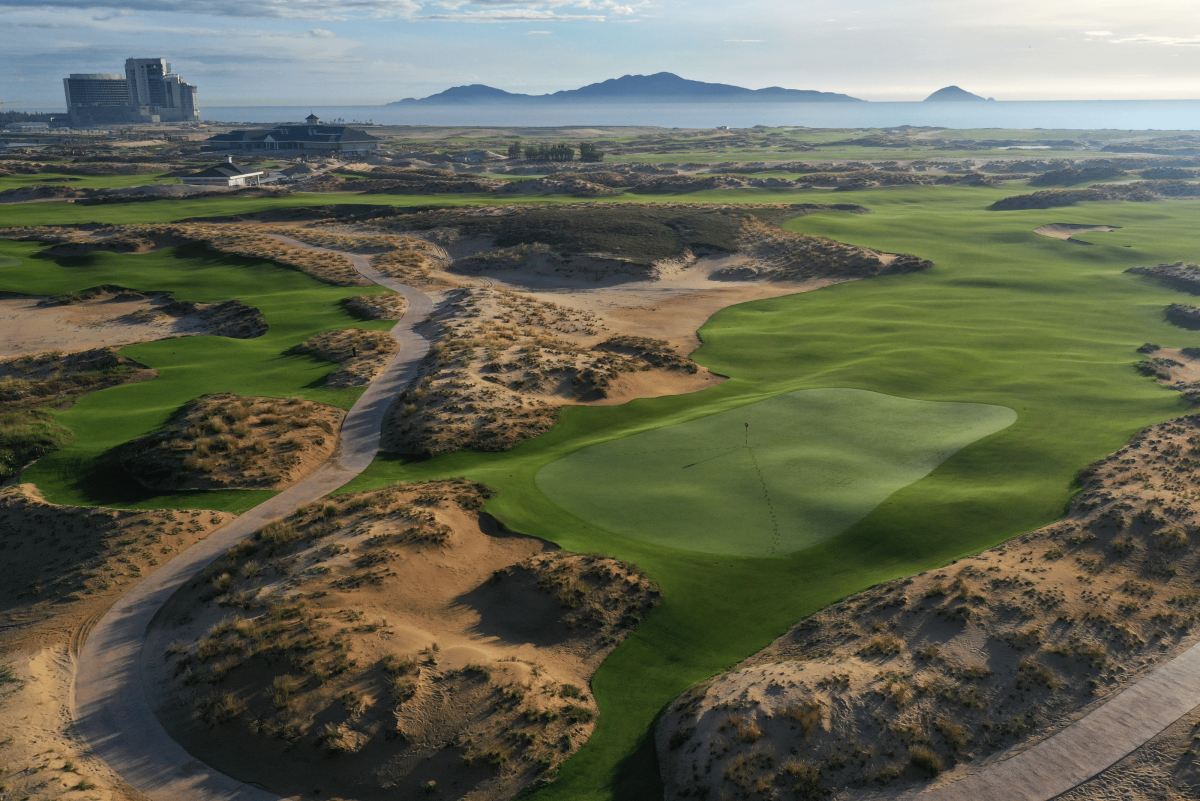
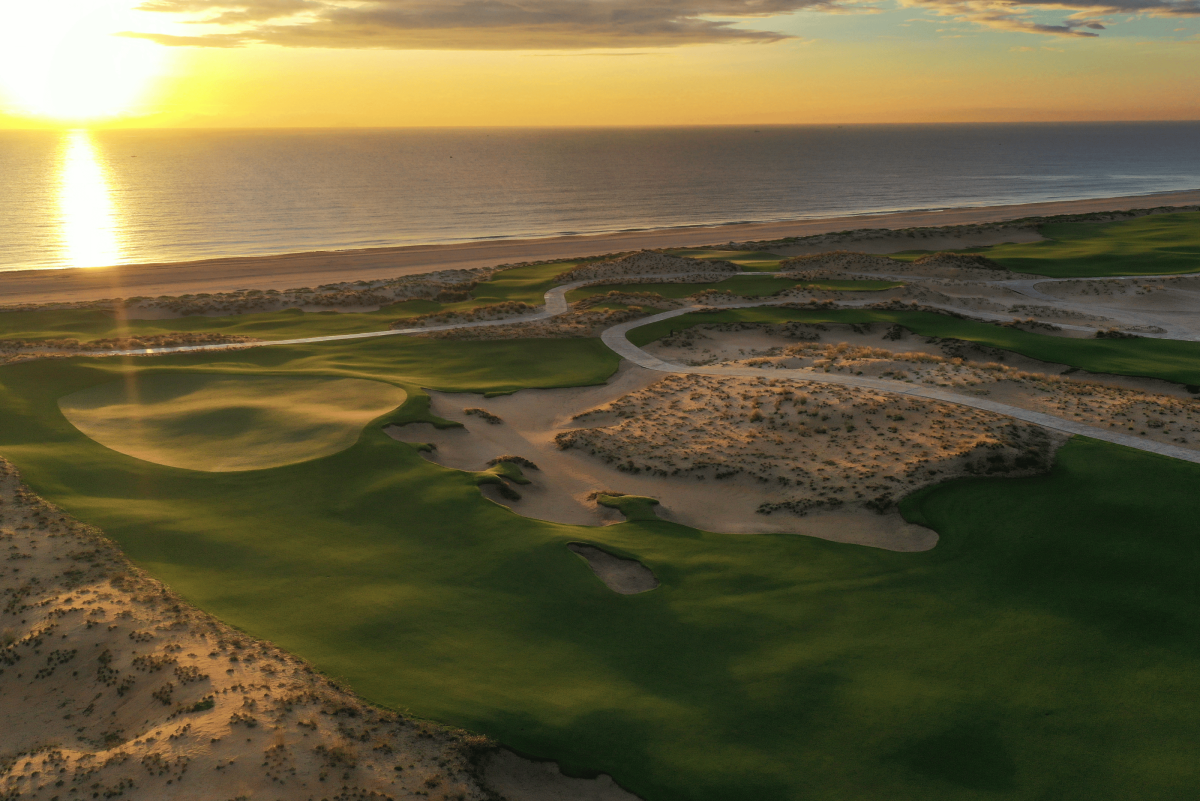
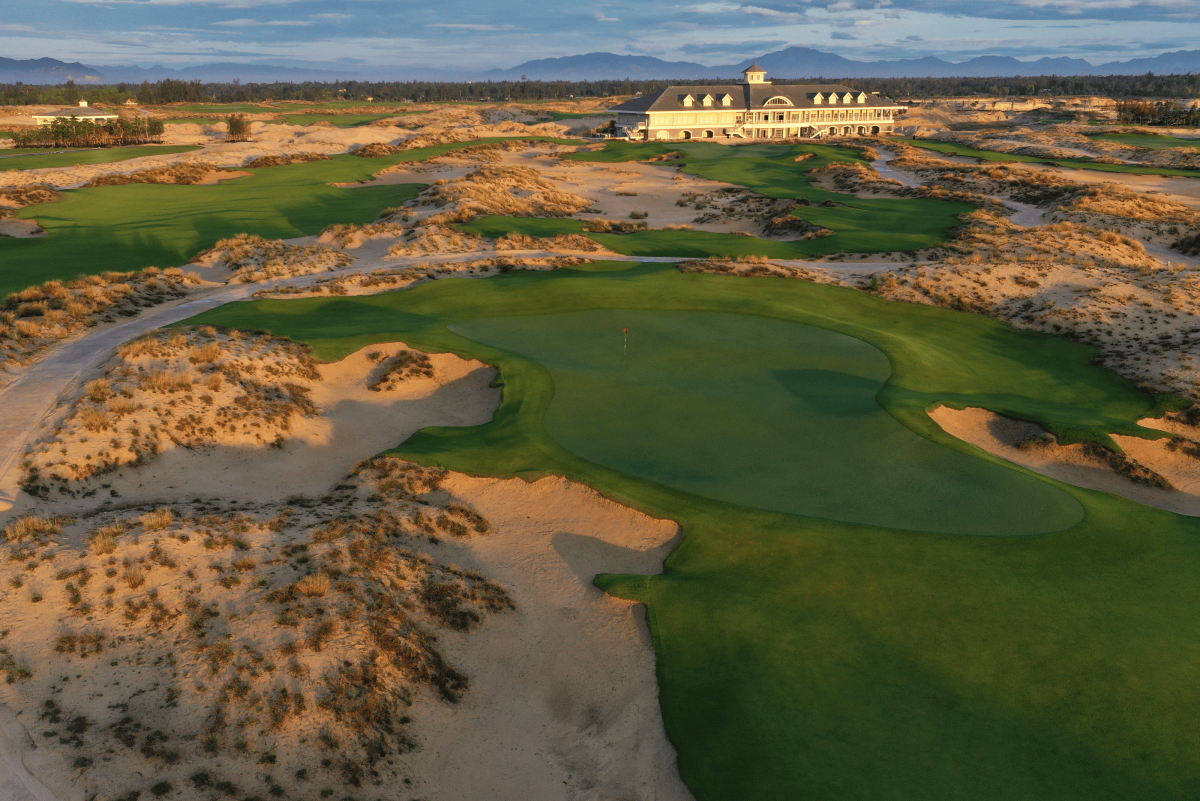
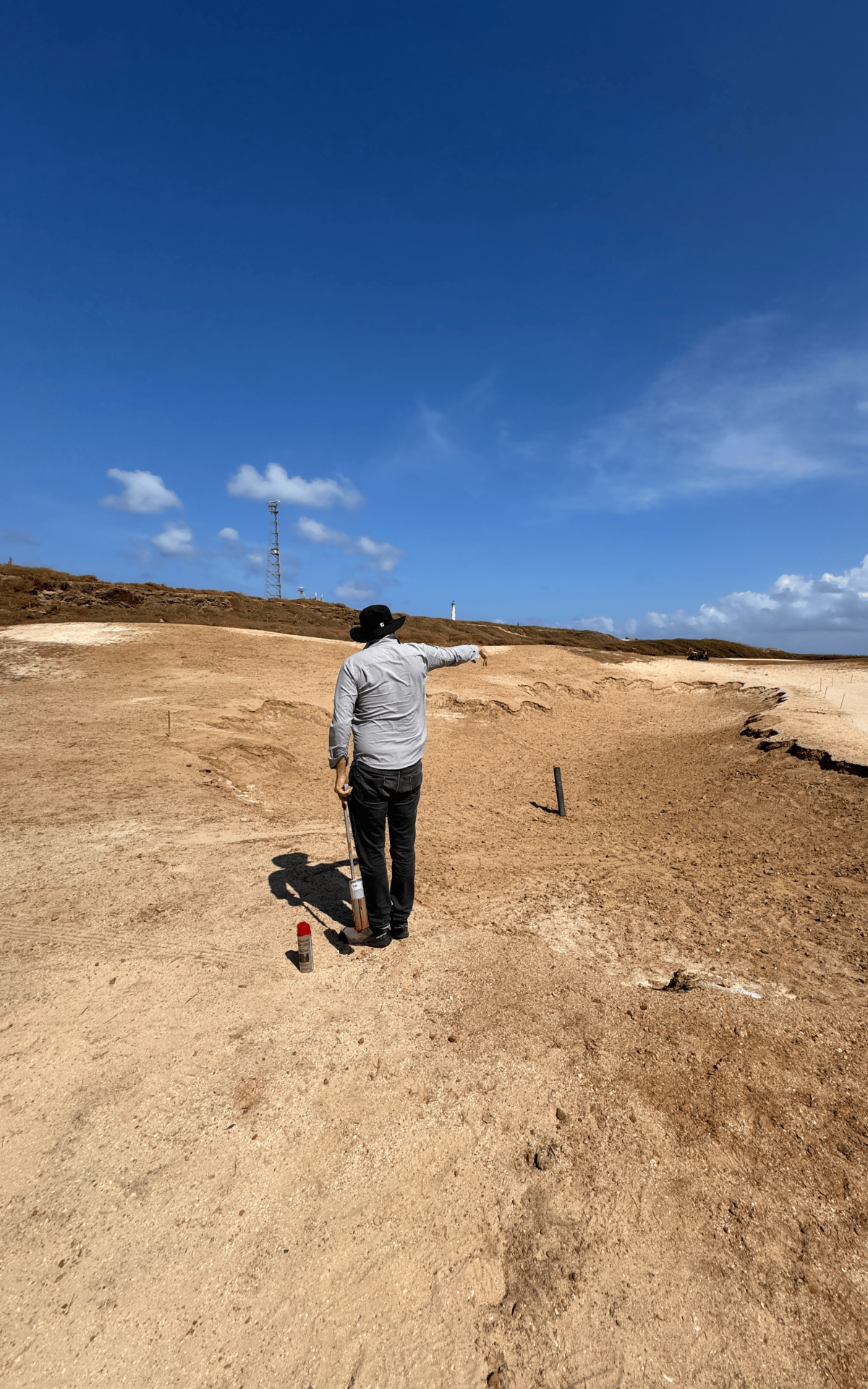
Q - What are some elements or processes you have included in your recent projects that you feel illustrate the integration of a sustainably led approach?
In recent projects, I've integrated several elements and processes to exemplify a sustainably led approach, particularly focusing on water conservation:
Q - How well do you think the subject of sustainability and golf design can complement one another?
I believe exceptionally well. Probably better than most people think. Golf courses often cover vast areas of land, presenting an opportunity to integrate sustainable practices that benefit the environment, surrounding communities, and the long-term viability of the course itself. In many instances there is a shared reliance, the game relies on the land and the land relies on the game.
Q - What does sustainability thinking in design mean to you?
Overall, this approach embodies a deep respect for the unique characteristics of each site and seeks to create solutions that are environmentally regenerative, and economically viable for the long-term health of the golf course. This is something that I try to carry forward with me into each project I work on. While the details and designs are wholeheartedly different the overarching ethos is the same, connect with the land.
Q - A few words on becoming a champion and what it means to you to be championing this kind of direction in the wider industry?
This holds significant meaning for me. It signifies a dedication to pushing boundaries, leading by example, and effecting positive change on a larger scale. The completion of our work at Hoiana Shores serves as a leading example to our commitment to this cause.
Q - Any words on GEO, sustainability in the industry, the importance of connections for golf with wider sustainability or landscape industries and how that could help?
I believe education is key part to promoting sustainability in the golf industry. Through programs like those offered by GEO, we can all learn about environmental impact and best practices. Collaboration with wider sustainability and landscape companies facilitates knowledge exchange, while community engagement with a focus on education builds support for environmentally friendly initiatives on golf courses.
Find Mike and his work at:
.svg)
.svg)
