Martin started golf from very humble beginnings after seeing it on television, starting out hitting balls at a driving range near Heathrow Airport and caddying for a year to obtain junior membership as his parents did not play and it was difficult to get into a club. That set him off on a playing career that saw him play for Cambridge University and lead the team on a US Tour in 1989. The experience of organising that tour and playing so many great courses in the UK and US led to him wanting to follow a career in golf and Donald Steel gave him an opportunity to join his busy firm in 1990. He worked with Donald and Martins's now business partner Tom Mackenzie until Donald closed his company in 2005 and Tom and he started Mackenzie & Ebert.
Since forming Mackenzie & Ebert work has not slowed down for Martin. Having advised on 8 of the 10 Open venues and 22 of the Top 100 Courses in the world outside of the US (Ranked by Golf Digest. He has worked across the world, with projects in the UK, Ireland, and numerous countries in Europe, Canada, Chile, Japan, Peru, Sri Lanka, and the US where he has created, restored or renovated some stunning courses.

I think that golf and sustainability can complement each other really well. Golf courses can be great havens for flora and fauna and designing in a way that will promote this to its maximum potential should always be a goal of any project. There are also great opportunities for resourcing courses as sustainably as possible. As an example, courses having sandy subsoil are increasingly generating sand for top dressing from within their boundaries which reduces the carbon footprint of costly imported material and also creates habitats for rare species of flora and fauna.
Martin Ebert
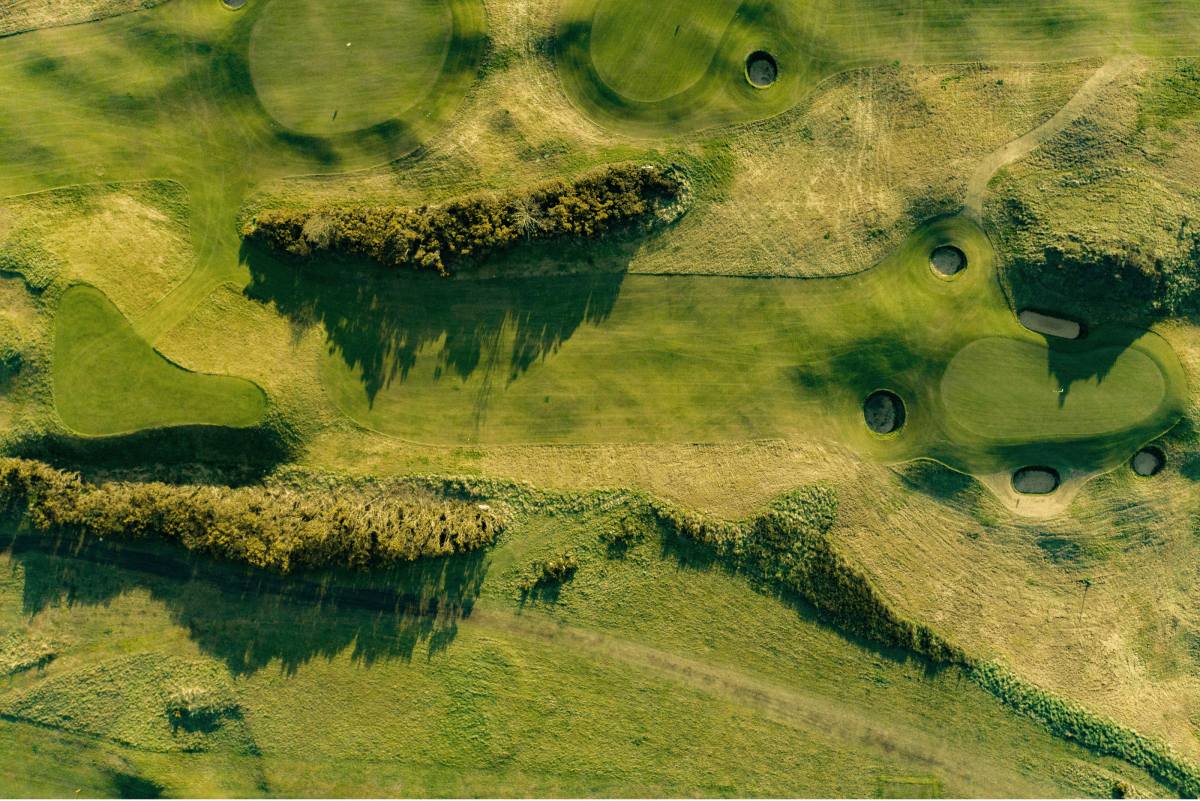
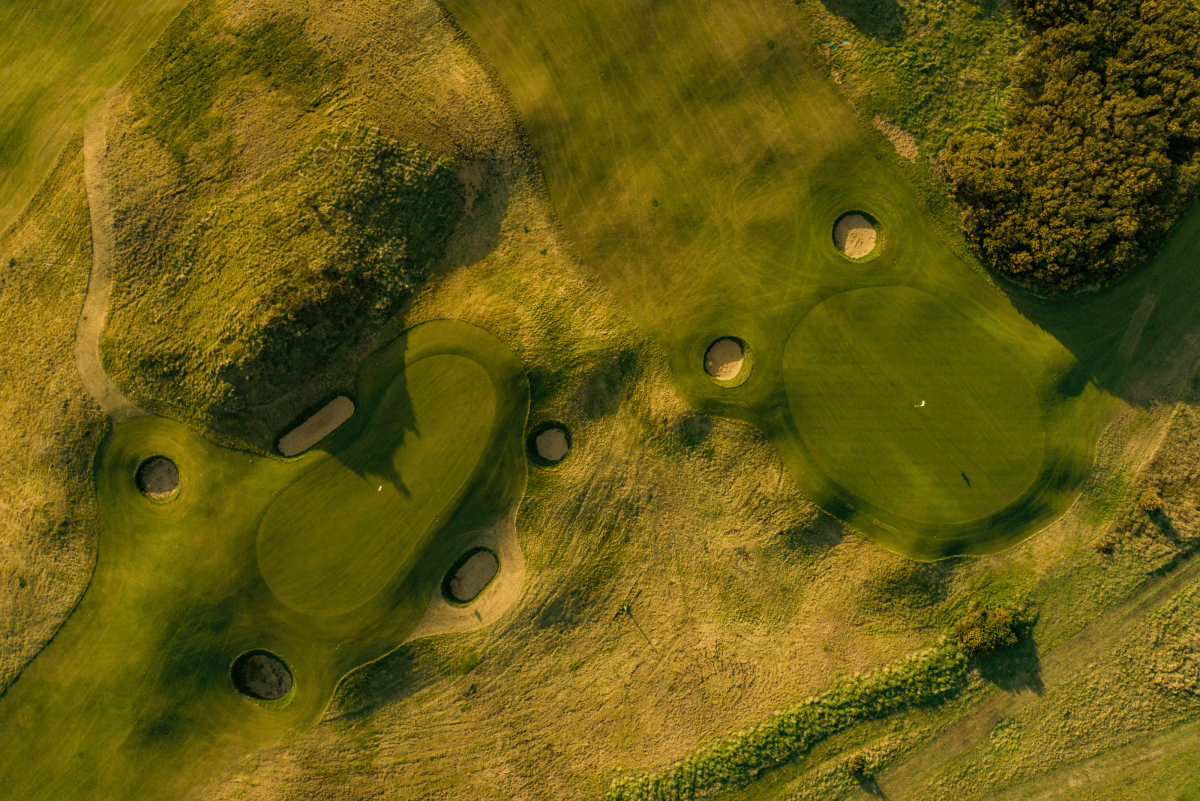
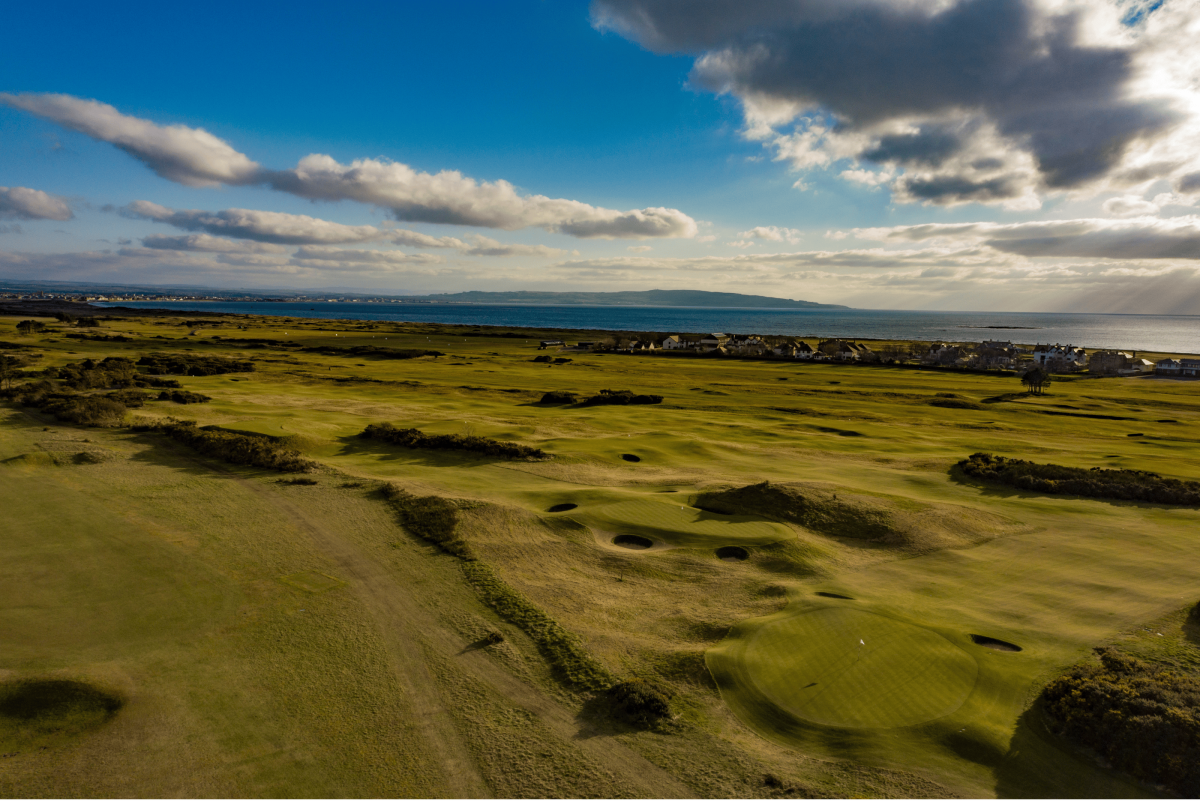
Martin was the lead golf course architect on the New Craigend Course, the latest golf offering from the world-renowned Royal Troon Golf Club. New Craigend enhances the experience for golfers of all levels and abilities at Royal Troon. All ages can enjoy the game and feel welcomed - every hole is playable with a putter making it a fun form of golf that should encourage more participation and also support the ‘School of Golf’ initiative to continue to grow. Some highlights from this project include:



Q - What does sustainability thinking in design mean to you?
It means keeping environmental and ecological issues at the forefront of the design thinking from the very outset. It also helps greatly if an ecologist is advising upon the project to bring to our attention the most important aspects of the site from an ecological perspective.
Q - What are some elements or processes you have included in your recent projects you feel illustrate that integrating of a sustainably led approach?
There are measures which we take as standard such as resourcing construction projects with as much on-site material as possible and salvaging and reusing any valuable rough vegetation within working areas. The Craigend project at Royal Troon and the Valley Course project at Royal Portrush are great examples of applying this principle with an absolute minimum of imported materials being required. Irrigation is another issue with the selection of drought-resistant grasses being preferred and a well-designed irrigation system allowing the efficient application of water to reduce water consumption. We also need to think about creating wildlife corridors across courses and holes.
Q - A few words on becoming a champion and what it means to you to be championing this kind of direction in the wider industry?
This was very welcome news. It was unexpected in that I think that it is only natural for us to operate in as sustainable a way as possible. I believe that it will make a difference to our existing clients and may influence potential clients to choose us as a result of this recognition.
Q - Any words on GEO, sustainability in the industry, the importance of connections for golf with wider sustainability or landscape industries and how that could help?
GEO have been doing a great job in promoting sustainable construction, maintenance and operation of golf courses for some time now and the initiatives that the body has introduced are valuable in making everyone think about how we can operate in a more sustainable way. However, it is not enough just to pay lip service to the subject. It is important to practise sensible and sensitive principles. That will only help with relationships with planning, ecological and environmental bodies and help them understand that golf can be good for the ecology and environment rather than it being viewed negatively which can be the case on some occasions and in some parts of the world. An example of how golf and ecology can work well together is at Royal Liverpool, where the recently introduced sand areas have led to a dramatic increase in the natterjack toad population. This has resulted in Natural England using the site as a case study for their representatives and other ecological groups. They were equally impressed with dune slack creation at Hillside Golf Club.

Find Martin and his work at:
.svg)
.svg)
