Spending his formative years caddying and playing at Lancaster Country Club in Pennsylvania—a William Flynn masterpiece—provided Mark an education he didn’t realise he was receiving at the time. Walking the fairways of a genuine Golden Age course sparked a lasting fascination with the game of golf and golf course design.
That early obsession eventually took him halfway around the world to Singapore, where in 1998 he became Head of IMG Golf Course Services. In that role, he pursued golf course design and management opportunities across Asia, working alongside some of the game’s most recognisable names. Among them, Sir Nick Faldo stood out, with his deep appreciation for golf course architecture and meticulous attention to detail leaving a lasting impression.
That relationship led to Faldo Design, where he has since worked with a talented team to create golf courses throughout Asia and the Middle East. Translating design concepts into reality across a diverse range of sites—while staying true to the principles that first inspired his love of the game at Lancaster Country Club—continues to be the driving force behind his work.
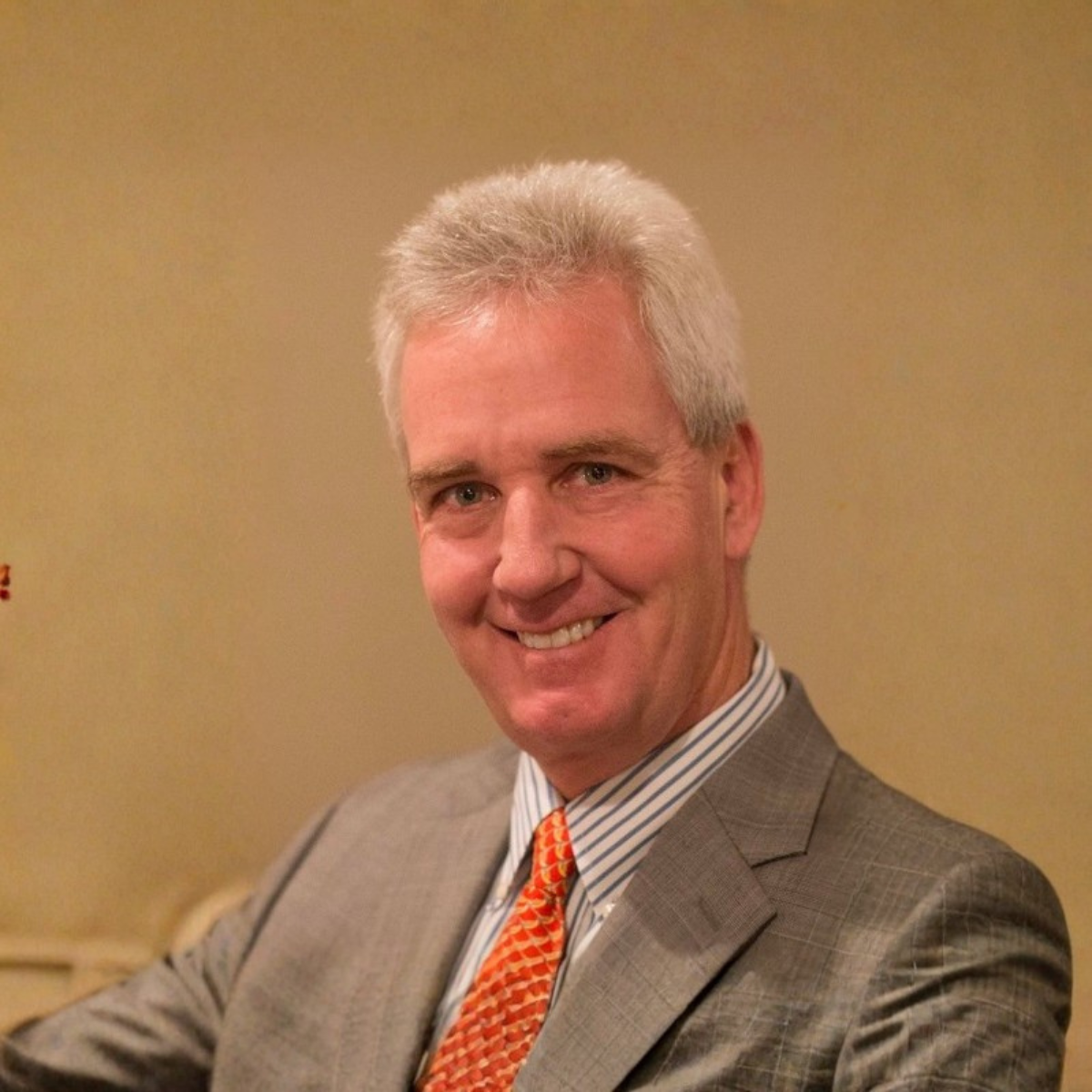
The golf industry has come a long way over the years not only in terms of perception, but also in the reality of how golf can make a positive impact on the environment. From minimizing water and chemical usage through developments in irrigation, turf and water management, to more use of renewable energy sources in golf course maintenance and operations, to the creation of wildlife habitats there are so many examples worldwide of how a properly conceived golf course can enhance sustainability.
Mark Adams
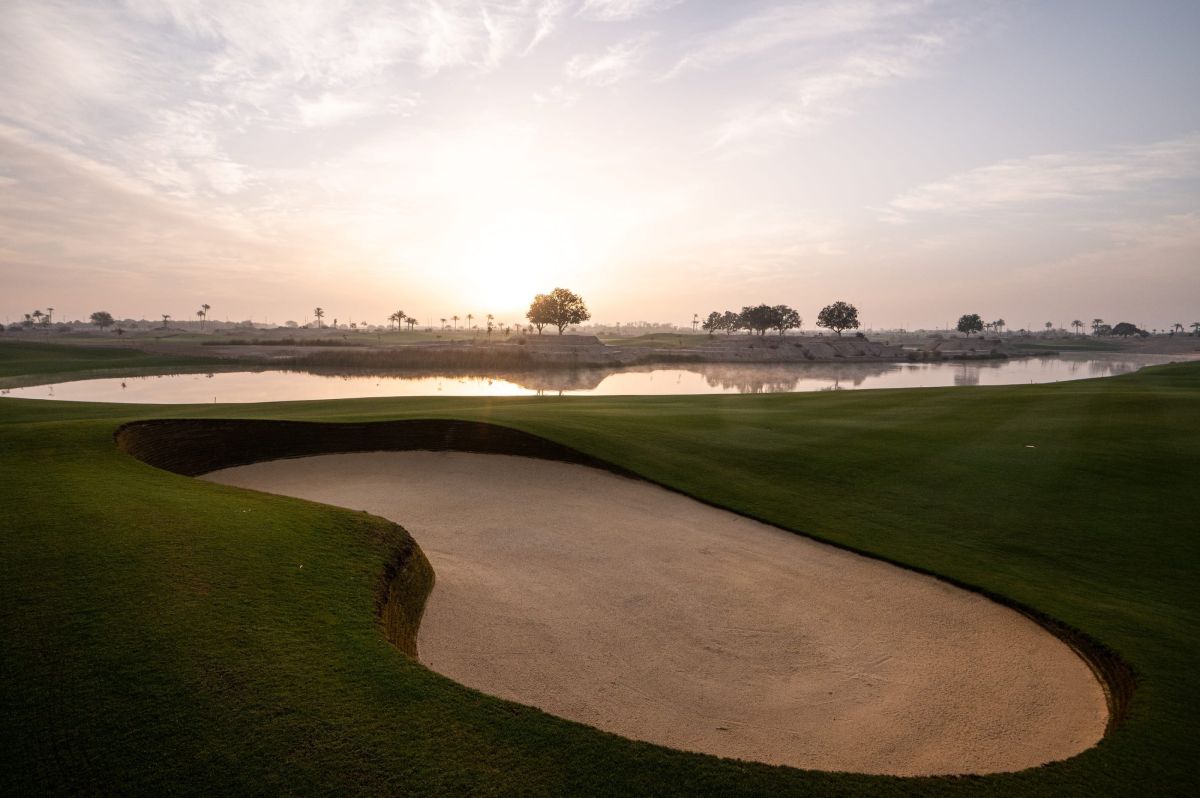
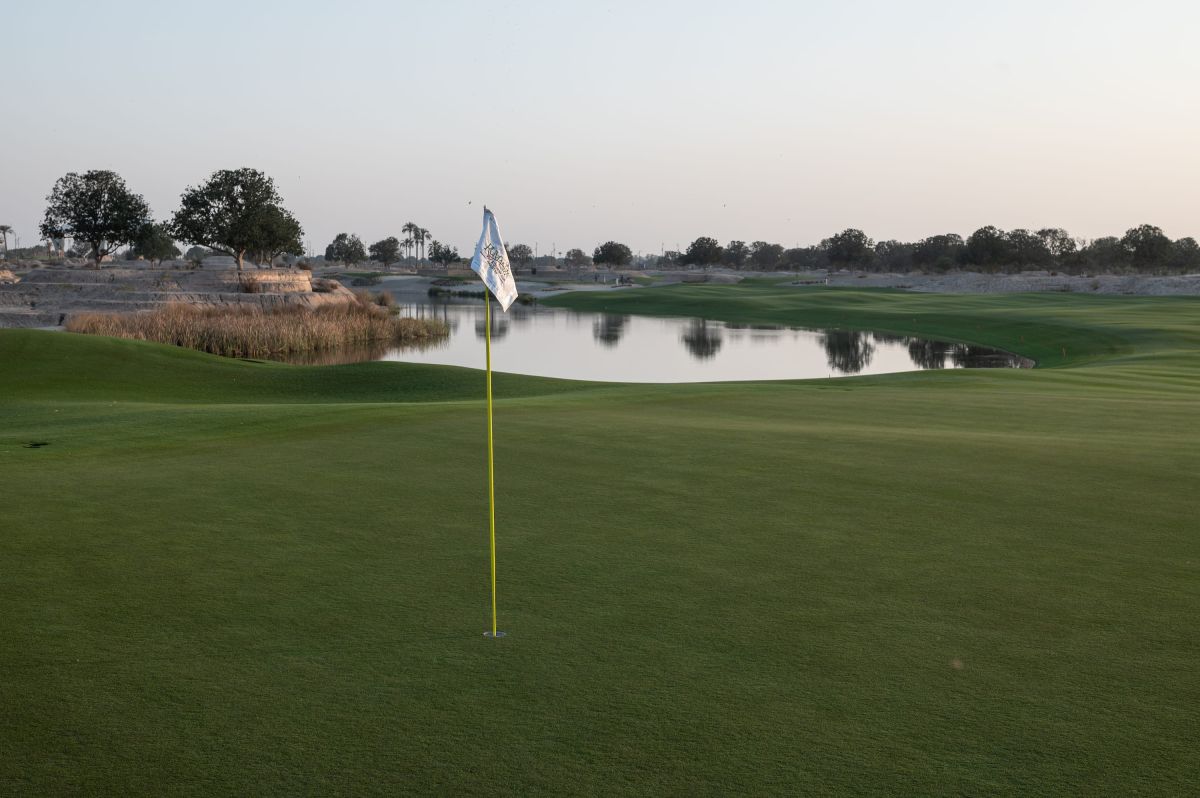
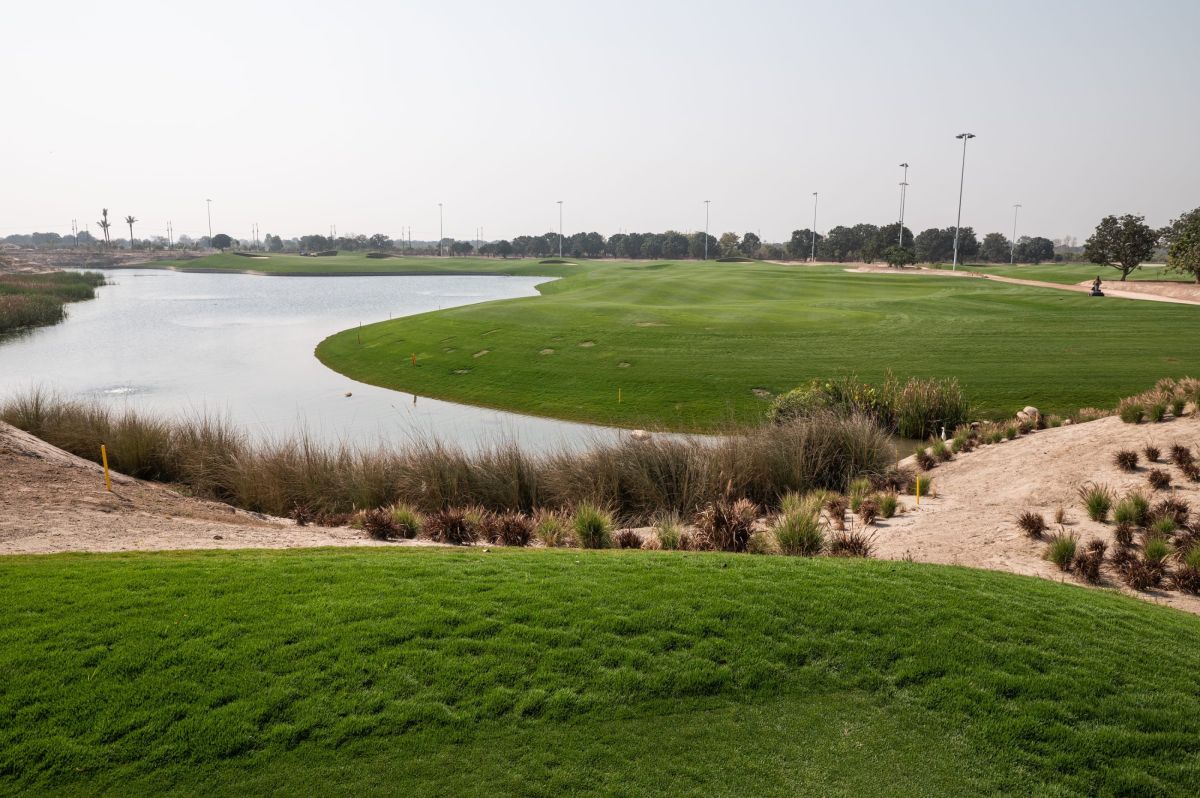
Mark has brought a number of projects to GEO over the years, with two so far having achieved GEO Development Certification and some more currently at various stages in the process.
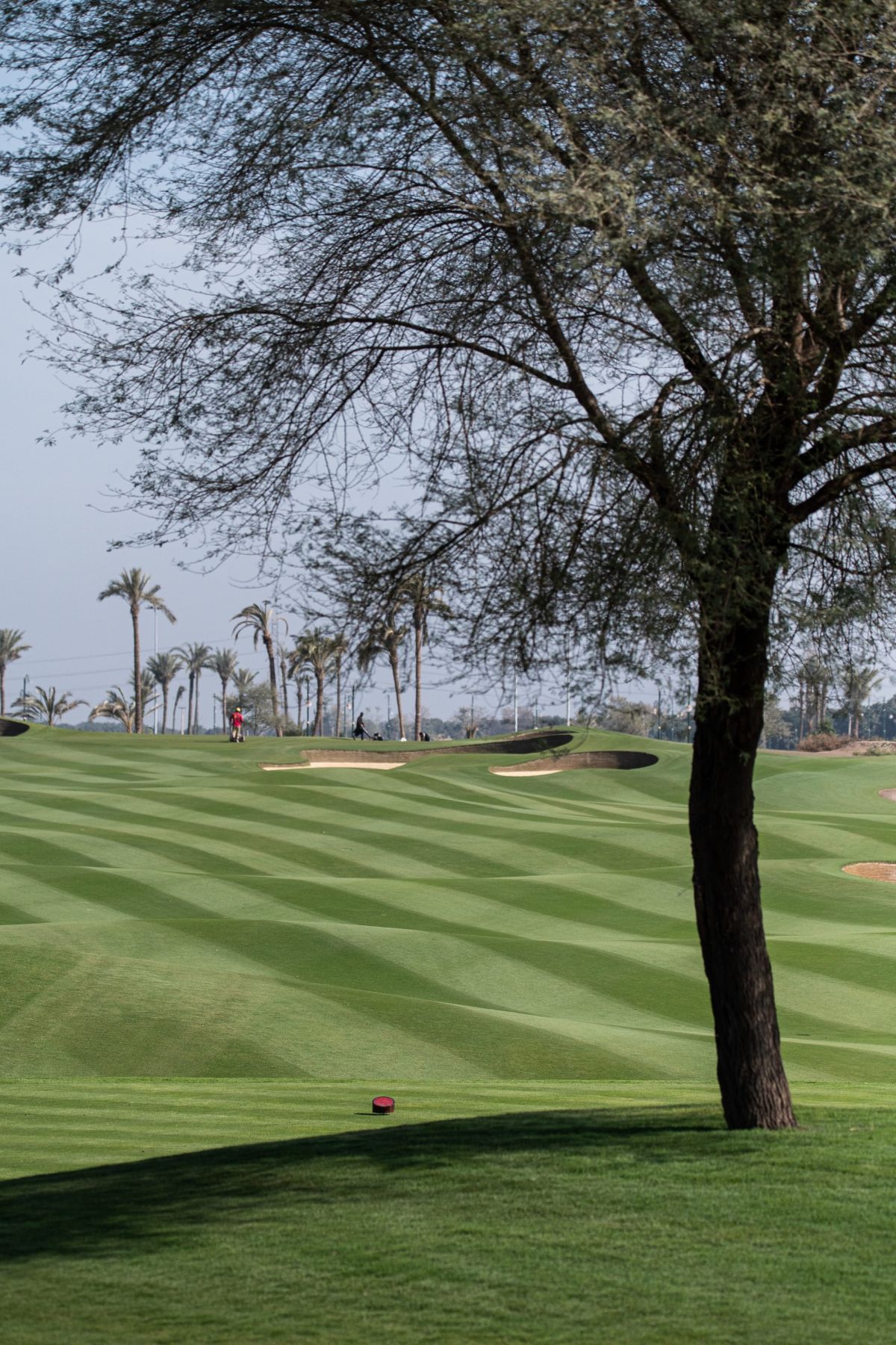
Rumanza Golf & Country Club is one of these certified developments. Certified in 2022 Rumanza was the first development in Pakistan to achieve this. Throughout the project Mark and the team ensured that sustainability remained a focal point and seen achievements like:

Q - Can you tell us a bit about your role at Faldo Design and what’s involved in your day to day?
Mark - My main role is overseeing the Faldo Design business for the Asia Pacific and Middle East region. This includes identifying and pursuing new opportunities for Faldo Design as well as managing all commercial affairs and relationships with our existing projects and clients. This role is both rewarding and challenging requiring extensive travel to visit potential new and existing clients throughout Asia and the Middle East.
Q – Was golf always a space you wanted to work In or has your career found its way here?
Mark - Since my days in Graduate School, and after relocating to work in Asia, I had a goal of working in the golf industry. Fortunately I was able to join IMG early in my career and started working in golf on events and sponsorship which eventually led to my involvement leading a vibrant golf course design / management business throughout the Asia region.
Q – Are there any moments in your life that you think sculpted how you approach your work and or how you think about golf and its relationship to the environment?
Mark - My real connection to golf started as a caddie at 12 years old and continued for nearly 10 years. Those years of caddying not only allowed me to meet successful and interesting people, but also gave me a ground-level education in how a golf course functions. I watched how certain areas thrived while others struggled, how weather and maintenance practices affected play, and how the course interacted with the surrounding landscape. It taught me that great golf course design isn't just about strategy and aesthetics—it's about working with the land, not against it.
Q – Has sustainability always been a big topic for you or can you remember when it became more prevalent in your work and life?
Mark - My first exposure to “sustainability” was seeing the impact of “acid rain” as a child on the lake my family visited each year in the Adirondack Mountains in New York. Sustainability then became a bigger topic for me after moving to Jakarta, Indonesia in the early 1990s which led to my first real experiences living with negative impacts on the environment. Sustainability become a bigger part of my work life once I got involved in golf course design and development.
Q - How do your ideas of sustainability connect golf to the natural environment?
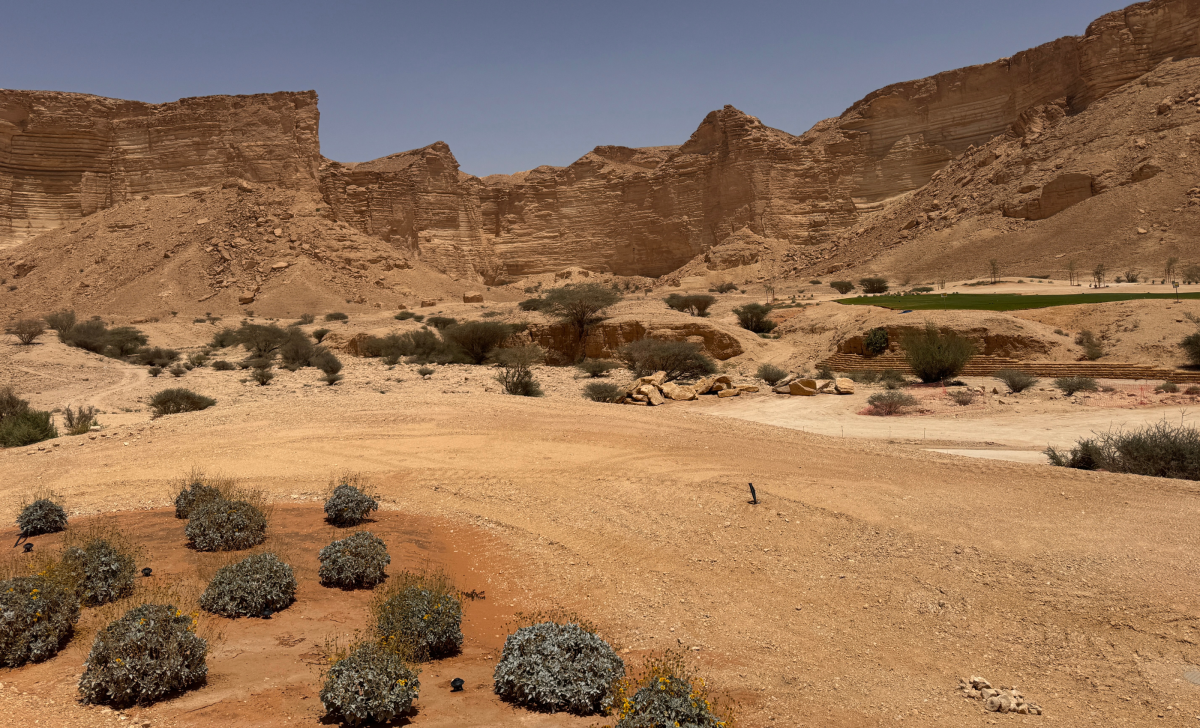
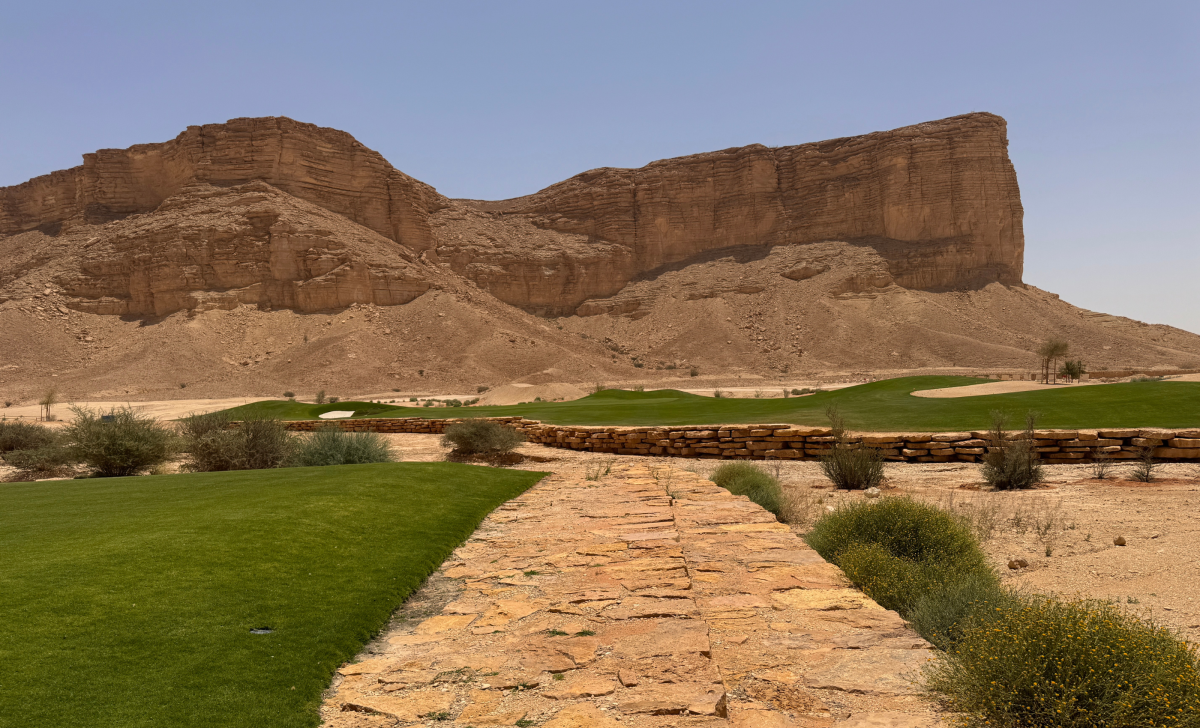
Mark - Golf has the potential to do so much good for the natural environment, but also has the potential for negative impacts as well. I am proud to be part of a golf course development industry that has evolved through technology, product development and creative problem solving to promote sustainability in so many areas.
Q – How much do you think that sustainability and environmental thinking has influenced your work and the way you operate over the years? Has it always been a primary thought for you?
Mark - Sustainability and environmental thinking has not always been a primary thought for me, but is now at the forefront of every potential project that Faldo Design considers. We've turned down opportunities on sites not suitable for sustainable golf course development, and once engaged in a project, one of our main goals is to design not only a great golf course, but one that is sensitive to its natural surroundings. Our approach starts with finding a "least disturbance" routing that minimizes earthworks and preserves existing natural features. This philosophy continues throughout the design process—from water- efficient irrigation systems to strategic turf management that balances playability with reduced maintenance inputs. Every decision is weighed against its environmental impact.
Q – Sustainability is obviously something close to your heart, how do you share that feeling through your team, do you think sustainability is a natural fit for those in golf?
Mark - Sustainability is absolutely a natural fit for those who truly love golf and understand its heritage. Our team at Faldo Design approaches each project with environmental stewardship as a core value, something that's been enhanced through our partnership with GEO. I share this passion by involving the team early in site analysis and encouraging them to see opportunities where others might see constraints. When someone identifies a routing that preserves a native habitat or proposes a design solution that reduces water consumption, we celebrate that. It creates a culture where sustainability isn't a checkbox—it's integral to what makes us proud of our work.
Q – Can you give us a few words on becoming a champion and what it means to be championing this kind of direction in the wider industry?
Mark - I am honored to become a Champion under GEO, but I also feel the additional responsibility that comes with it—to approach every new golf project through the lens of sustainability. Golf has negative perceptions to overcome in many communities, but we also have a powerful story to tell about the positive environmental and social impacts a well-designed course can bring. As a Champion, I see my role as helping shift that narrative through our work at Faldo Design and by encouraging others in the industry to prioritize sustainability from day one, not as an afterthought.
Q – What’s it been like working with GEO through the years? Don’t spare our feelings!
Mark - No need to spare any feelings as GEO has been wonderful to work with over the years! I have learned so much not only about environmental sustainability issues related to nature and resources but also about social sustainability issues related to culture, community and workforce for each project that GEO evaluates. It is refreshing that an organization such as GEO exists to focus solely on golf and how it can improve in all areas of sustainability.
Find Mark and his work at:
.svg)

