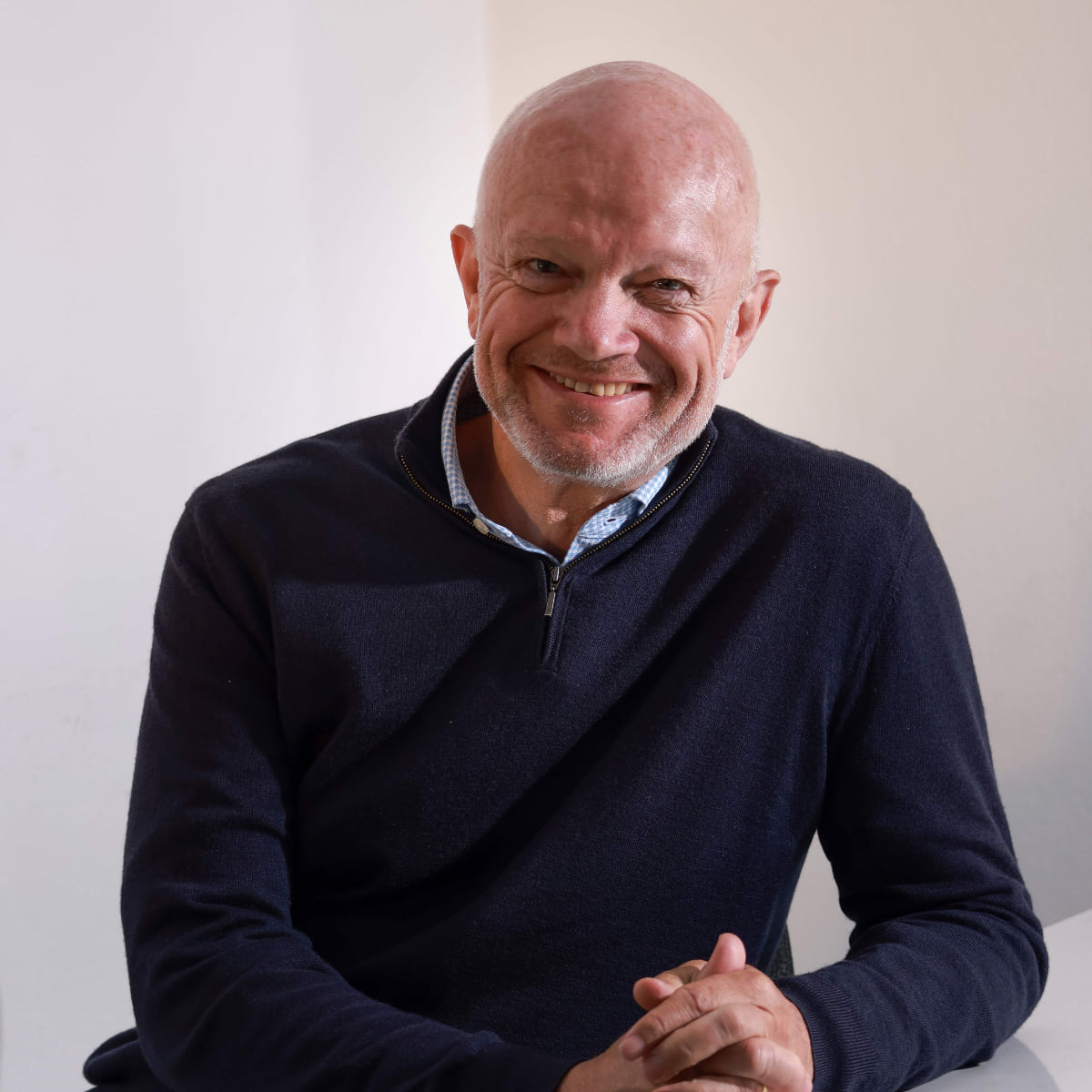
I‘m not sure that people who are interested in environmental stewardship are naturally drawn to golf, but I am certain that people who are interested in golf are drawn, and committed, to environmental stewardship. It’s a fundamental issue for all of us, and for the wider industry.
Jeremy Slessor
Jeremy has brought several projects to GEO over the years, including the GEO Certified® Irie Fields development in St. Kitts. In addition, he has introduced a further four projects to the GEO Certification process, each currently at varying stages of assessment.
Irie Fields was the first project to achieve GEO Certified® Development status, gaining certification in 2015. With sustainability embedded at the core of the project from the outset, it achieved a number of industry-leading outcomes, including:
The world’s first “zero-chemical” construction of a warm-season golf course
More than 97% of bulk construction materials sourced from within the island
Over 25 hectares of edible landscapes integrated throughout the golf course
95% of the construction labour workforce sourced locally


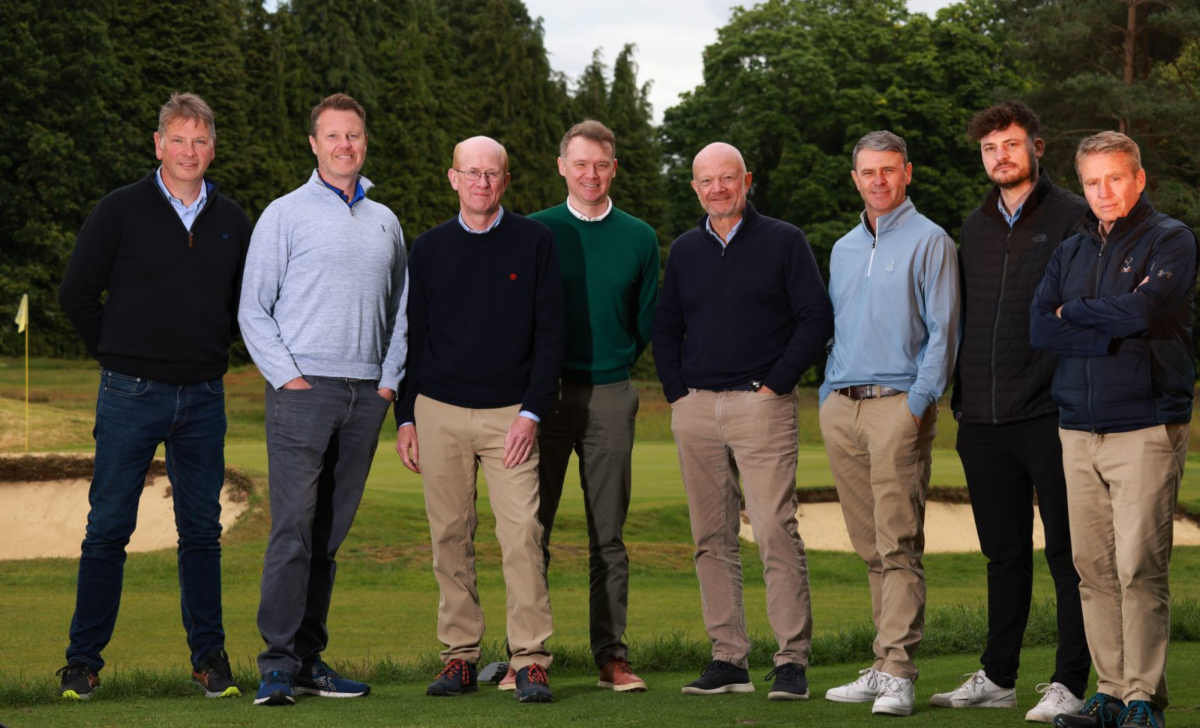
Q – Can you tell us a bit about your role at EGD and what’s involved in your day to day?
My role here is to run the company, which includes business development, day-to-day operation, financial control and so on. It doesn’t allow too much time for design, but I try to keep a renovation project or two on the go. Each day is different; each project, each client, each site presents challenges. Each of our team is outstandingly talented, but each has their own way of working and their own personality, so part of my work is to match their skills and personality with those of the client and project.
Q – Did you always want to work in the golf industry or was it something that you fell into?
I started playing golf as a teenager and fell in love with the game. I needed a summer job and got one as a greenkeeper on a course local to me in south London. That sparked something in my brain – the thought of controlling grasses to deliver playing conditions was fascinating! After finishing school, the last thing I wanted to do was go to university, so I travelled for a couple of years and then came back to greenkeeping. After a few more years, I realised the best way to move forward would be to get an education and managed to get a place at Michigan State University, as there were no appropriate courses in the UK at the time. After graduation, I got extremely lucky and went to work for Robert Trent Jones Sr, staying with him for nine years in a variety of roles, including course management, construction, project management and design, before joining European Golf Design in 1994.
Q – Do you think that there is anything in your past that has sculpted the way you work today, or how you think about golf and its relationship to the environment?
I have been amazingly lucky to have had a number of mentors in my career, all of whom have influenced me and, if I am honest, pushed me far harder than I would have pushed myself.
In terms of golf and the environment, I visited Augusta National in the mid 90’s and it was both (and equally) the most impressive and the most repulsive course I had ever seen…it was absolutely perfect – there was not a blade of grass out of place, there was not a weed to be seen and it was the pinnacle of course management. It was also totally artificial and I came away quite disturbed that this was the way so much of the industry appeared to be heading.
The beauty of golf, for me, is the contrast between the maintained and the natural. The objective of improving the value (in all measurements) of land and preserving/restoring/improving habitat, depending on its current state, while delivering all of the other benefits that well planned, well constructed and well maintained courses can bring, is a powerful driver to each of us in the business.
Q - Is sustainability a key thing for you personally at EGD, how do you drive that through the team? Do you think that golf tends to attract people who are drawn to issue of sustainability and environmental stewardship?
I‘m not sure that people who are interested in environmental stewardship are naturally drawn to golf, but I am certain that people who are interested in golf are drawn and committed to environmental stewardship. It’s a fundamental issue for all of us, and for the wider industry.
Q – When do you recall first hearing about sustainability, or have you always had an understanding of and passion for it.
It was a constant discussion at university, but 40 years ago the emphasis was on delivering the best golf course the land could offer and only then did one consider the environmental implications and the mitigation that might be employed to offset the impact of the development of the course. Happily, today, the emphasis is almost completely reversed – analysis first, the identification of sensitive areas and then design around them.
Q – How do you think perceptions of sustainability in golf have changed over the years and how do you think that it might change going forward?
It’s a 180o change – the fact that analysis now leads the process with enhancement of the environmental, societal, cultural and economic values of the land as the foremost objective is a complete reversal from when I started in the late 70’s. This emphasis can only get stronger for the future.
Q – You obviously work all around the world and meet lots of people with lots of ideas about golf. Do you feel like sustainability is a topic that unites a lot of your clients or is there still a way to go on that front?
The importance of sustainability and its position in project development influence depends on where in the world we are working. It is given less priority in emerging markets so, in many ways, our role is to guide those projects in the right direction, avoiding the historical mistakes made in more mature markets. That said, there is increasing pressure from planning authorities, public perception and consumer demand for a clear, credible and realistic sustainability plan for new facilities as well as for long-established ones.
Q – Can you give us a few words on becoming a champion and what it means to be championing this kind of direction in the wider industry?
I am very grateful and honoured by this recognition, but (as cliché as it sounds), this is really the result of the effort of everyone at EGD – they all do ‘the right thing’ instinctively so my influence is increasingly minimal. It’s great to be involved and to see the industry making such positive changes to methodology, philosophy and implementation.
Q– What’s it been like working with GEO through the years? Don’t spare our feelings!
The industry at large owes GEO a debt of gratitude – you have led the way for over 20 years and, in my view, GEO is the greatest asset we collectively have in terms of demonstrating positive impacts that good design and management can deliver with actual data, not just propaganda. If only the industry could show a little more recognition of this with additional support, I can’t imagine the value that would deliver in the future.
That said, I do wish you’d stop re-branding quite so often!
Find Jeremy and his work at:
.svg)

