Having been born in the UK golf was always prominent when Dave was growing up. Whether that be watching the professional game or playing with his father and grandfather. Burnt out Open championships and great duals from the worlds best golfers are etched in his memory.
These memories of the great golfers, a love of all sports, along with a desire to work in an outdoor environment, with plants and wildlife, drew Dave towards a career in the golf industry, specifically golf course maintenance.
There was plenty of golf course construction in the UK throughout the 1990’s and as Dave honed his craft in golf course maintenance he started to get more involved in the construction side of the industry. As he gained experience and knowledge working golf course construction projects in the UK, oppertunities began to appear for Dave on international projects. During this time he collaborated directly with clients, designers and development teams. Ultimatley leading to him setting up his own company specialising in golf course construction management - Dragon Golf Developments.
This work has taken Dave all around the world and although he has his name against many of the worlds great golf courses he is still ambitious and looking forward to the next adventures in his career. wherever that may take him.
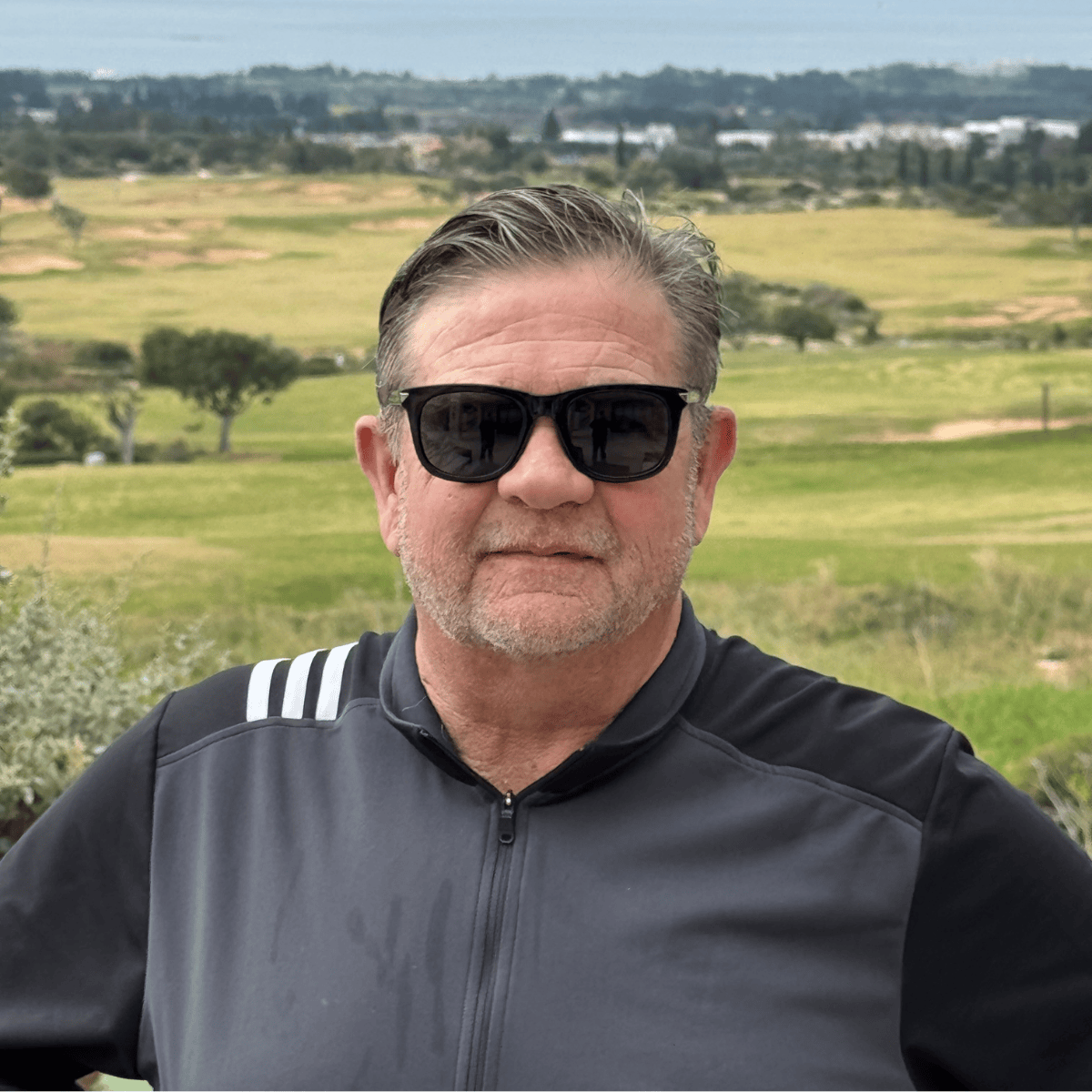
People now recognise that we are creating areas that will always be a green environment and will play a role in the community. If managed well, and integrated with the local community, golf courses can provide many benefits to people and nature. I am a strong believer in this and have seen it throughout my life.
Dave Mathews
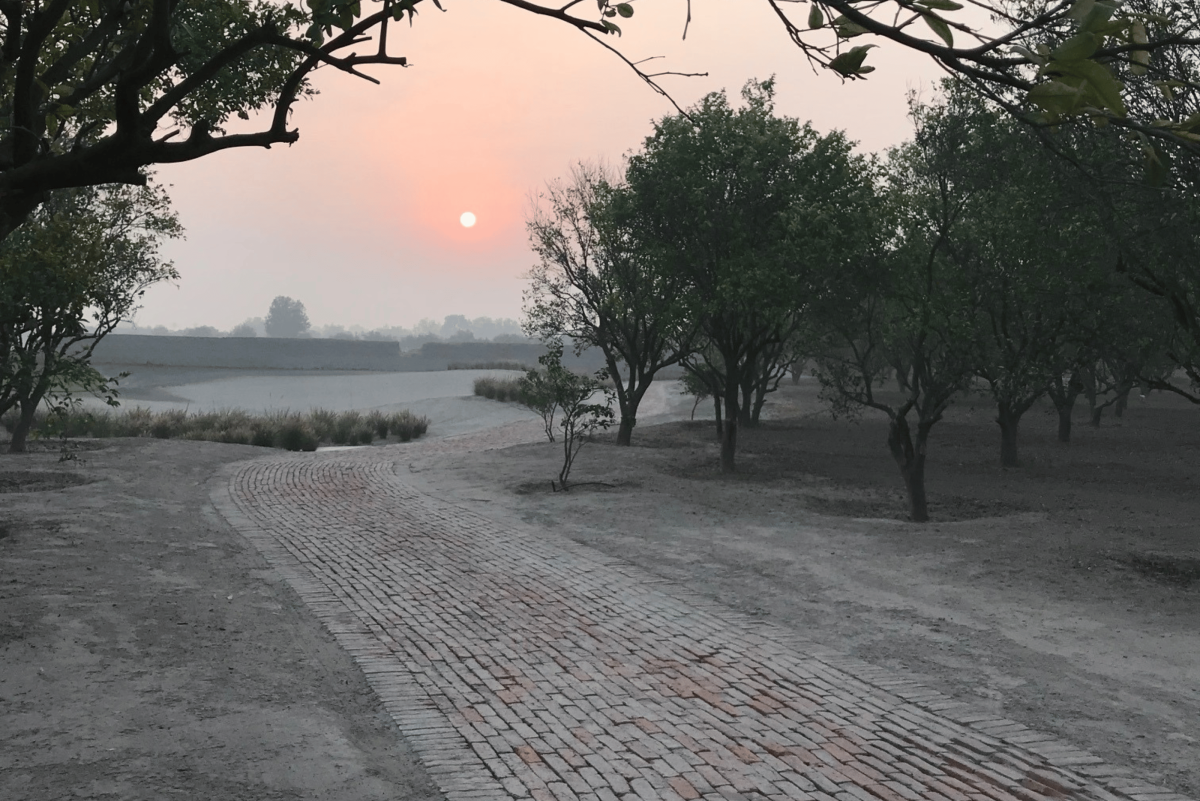
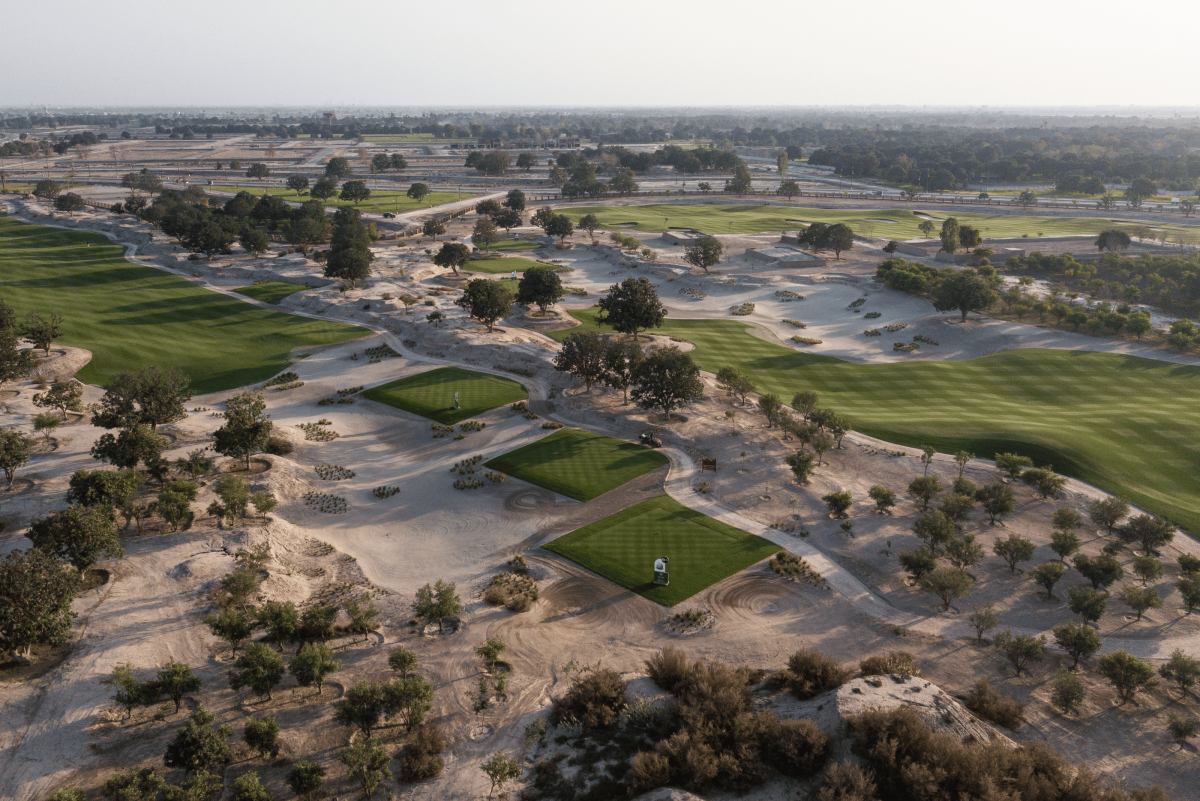
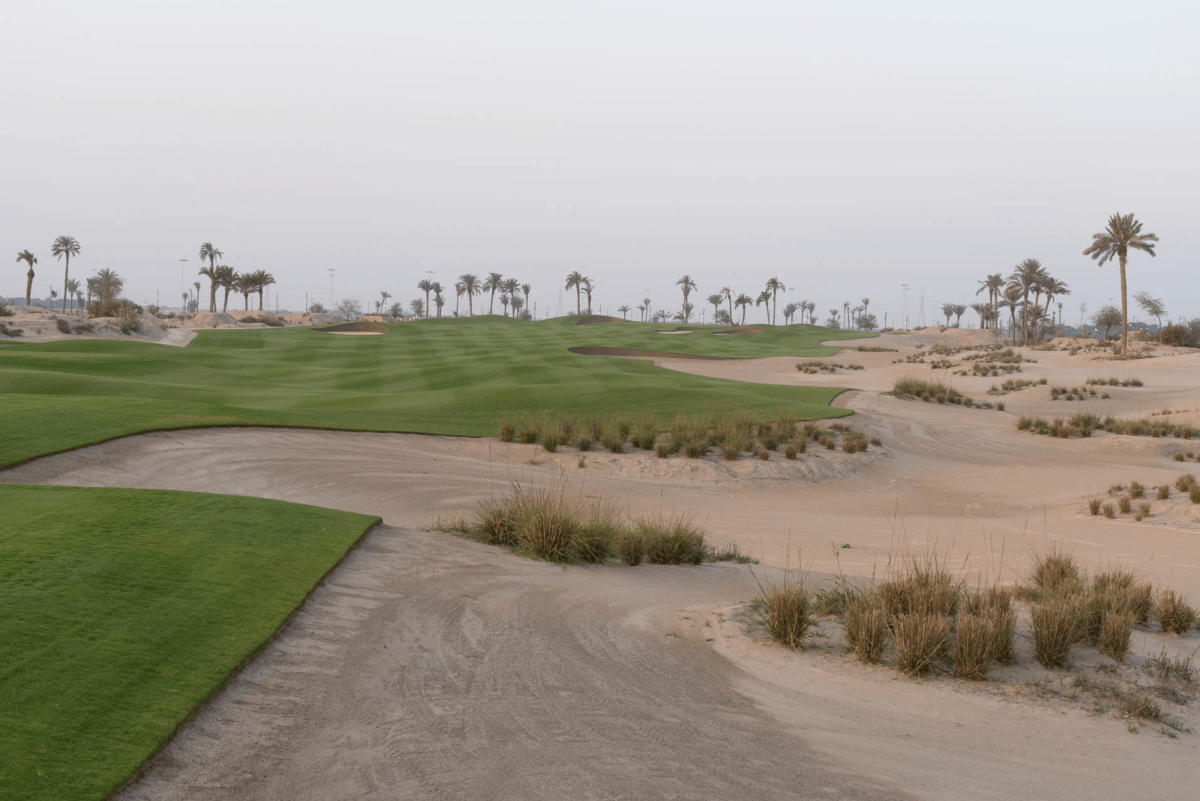
Dave was the construction manager for the Rumanza Golf & Country Club in Pakistan. Rumanza achieved GEO Development status in 2022 and was a great example of how golf can completely regenerate a parcel of land while becoming a hub for golf and the community. Key achievements in the project include:



Q – Have you always been interested in golf, what are your first memories of playing the game and are there any personal highlights for you?
I have been interested in golf for as long as I can remember. As a small boy I remember hitting balls with both my Father and Grandfather on a small pitch and putt course in Swansea, Wales. My personal highlights were reaching a personal low handicap (so far!) of 2.1 at 55 years of age. I’m still working hard on my game!
Q – Can you tell us about how you got into the golf industry, what steps got you to where you are?
I became a greenkeeper at a local golf club just after my 17th birthday. I went on to study at college gaining my city and guilds qualifications and becoming assistant head greenkeeper. Always wanting to travel I backpacked around the world in my mid-20’s and then found myself in golf course construction as it meant I could continue to travel while working on very interesting projects in great locations.
Q – Did you always have plans to work in the golf industry and specifically golf course construction?
For as long as I can remember I wanted to work outside after leaving school, trees were a big interest of mines. Working on a golf course seemed a good way to do this while also discovering new areas of interest in an outdoors environment which involved plants and nature. I always enjoyed the in house construction projects while greenkeeping so golf course construction was a logical next step. It also allowed me to travel which was a big bonus.
Q – How well of a fit do you think golf course construction and sustainability are, do you find it difficult to prioritise sustainability throughout construction?
I don’t think its difficult - you need all stakeholders to be invested in this from day 1 of the project. By working intelligently and sustainably you can minimize the construction costs and the impact on the environement which benefits everyone. Win - Win right.


Q – When you look at it, what or who do you think has influenced your sustainability values that you take from project to project.
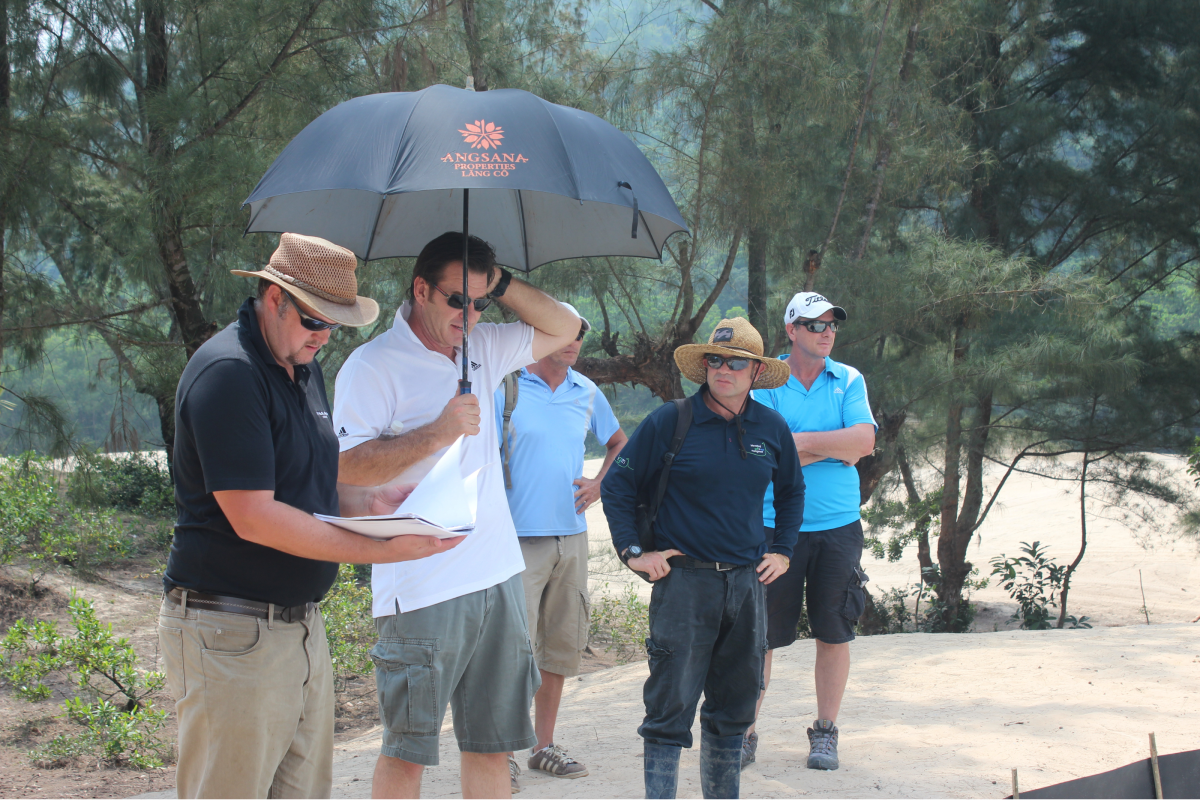
I think all of the golf course architects I have worked with have influenced me over the years. Being shown my first set of plans which showed areas not to be cleared, protected areas, wildlife areas, where to protect and enhance water features etc. opened my eyes to the importance of these features. Not just for playability and startegy, but for also for their contributions to the natural environemnt and sustainable construction. The fact they were designing with ‘no touch’ areas resonated with me. In the 1980’s when I was a greenkeeper, we began leaving the out of play areas unmaintained to reduce resources used and to allow native plants and wildlife to have thrive. During that time we always made sure any trees we planted were native and we even collected some as ‘whips’ from local woodlands.
Q – Do you have any principles that you take into each project to ensure you get the most sustainable construction process possible?
I do have two thoughts when starting a new project - to look after the workforce and the parcel of land we have. Having worked with GEO on two projects it feels as if it has become standard practice and ingrained in my work to follow the international sustainability standards and to work in line with their reporting framework and reconmended practices. It has sort of become automatic to work that way now and I know if i work to those standard the construction process will be sustainable, efficient and set the course up for the best future.
Q – Talk to us about the golf course at Rumanza, does it stick in your mind as a successful project and what are your personal highlights from it?
When I think back on Rumanza what stays with me is the client buy in, all of the stakeholders, design and execution teams on that project were focused on improving the environment and working sustainability. In fact it was mandatory to follow the GEO steps and gain accreditation. That is what sticks in my mind the most, the passion for sustainability.
Q – There has been an uptake in sustainable thinking over recent years, how do you think perceptions of sustainability in golf have changed and how do you see that changing in the future?
People now recognise that we are creating areas that will always be a green environment and play a role in the community. If managed well, and integrated with the local community, golf courses can provide many benefits to people and nature. I am a strong believer in this and have seen it throughout my life. I think going forward golf developments need to do a better job to promote the environmental side of golf courses and get this message out to the wider community. I hope in the future this is promoted more than it currently is.
Q - Can you give us a few words on becoming a sustainable golf champion and what does it mean to you to be championing sustainability through golf?
I was delighted when I received the email from GEO. It is wonderful to have recieved recognition for my work in golf course construction. I hope I have influenced others to work wholeheartedly with sustainability and the environment in mind. Of course I would not have been recognised without the contribution of countless people in my life and career to whom I am very thankful.
Q – Finaly, do you have any words on GEO, and their role in driving sustainability throughout the industry? Do you think the support they provide is helpful and productive during the construction process?
It has been great working with GEO on a number of projects. To have their standards and documentation on a project really helps everyone to not only buy into what we are trying to achieve but also it sets out how to do this in a clear way with sustainability at the forefront. Everybody in the industry now recognises GEO and I think their message has definitely been spread far and wide and is making a psositive difference.
Find Dave and his work at:
.svg)
