Cynthia was born in Urbana, Ohio and grew up learning the fundamentals of traditional golf course design from her father, golf course architect Roy Anderson Dye, and her uncle, golf course architect Pete Dye. When she was young she would go to the Dye office after school to colour maps and hand-draw golf course layouts.
Cynthia began her career in Phoenix, Arizona designing landscapes for commercial and residential buildings. In 1988 she became a full–time consultant for the family business and for close to 11 years worked as a design consultant around the world. In 2001 Cynthia started her own golf course design company, Dye Designs Group, in order to implement her own signature version of the family design philosophy. She believes seeing one of her ideas on paper develop into a physical golf course is one of the most gratifying experiences she has had. Cynthia’s design philosophy is to enhance golf course architecture and strategy through sound design principles.

Producing plans came naturally. But what I really love about golf architecture is creating natural landscapes and the hands-on approach to building a golf course.
Cynthia Dye McGarey, ASGCA
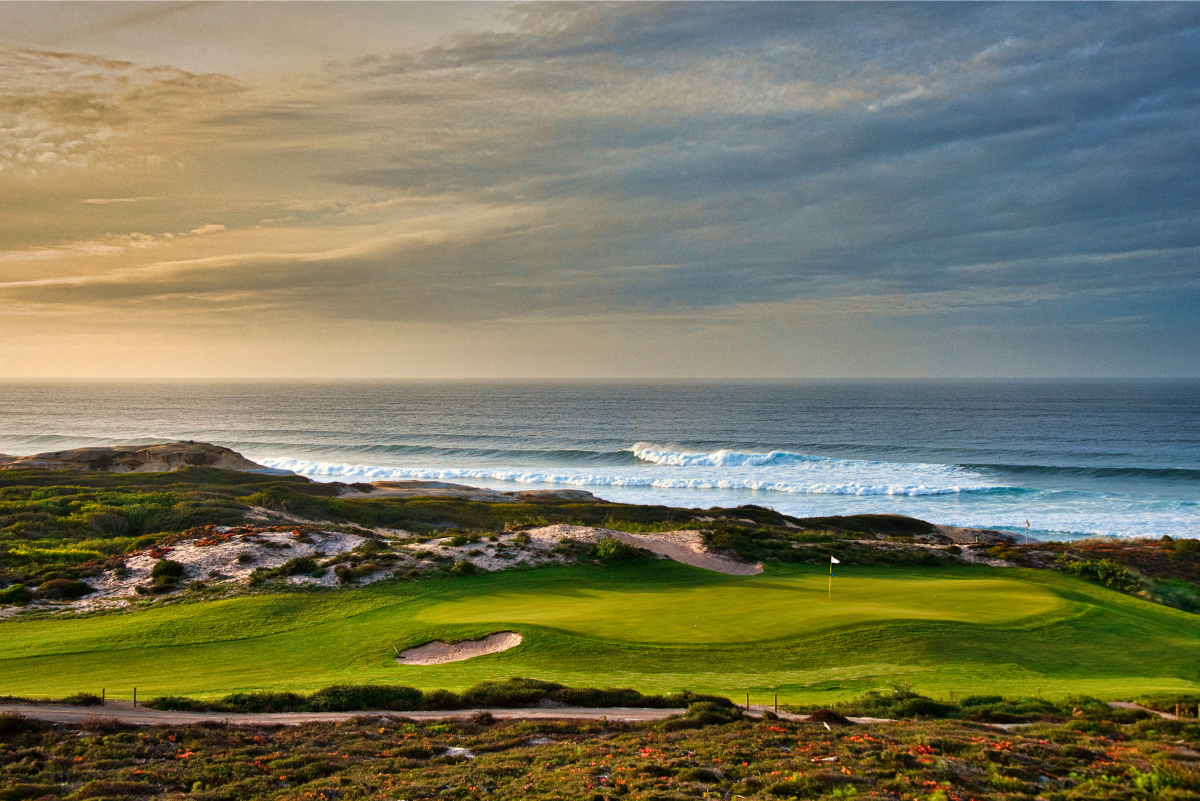
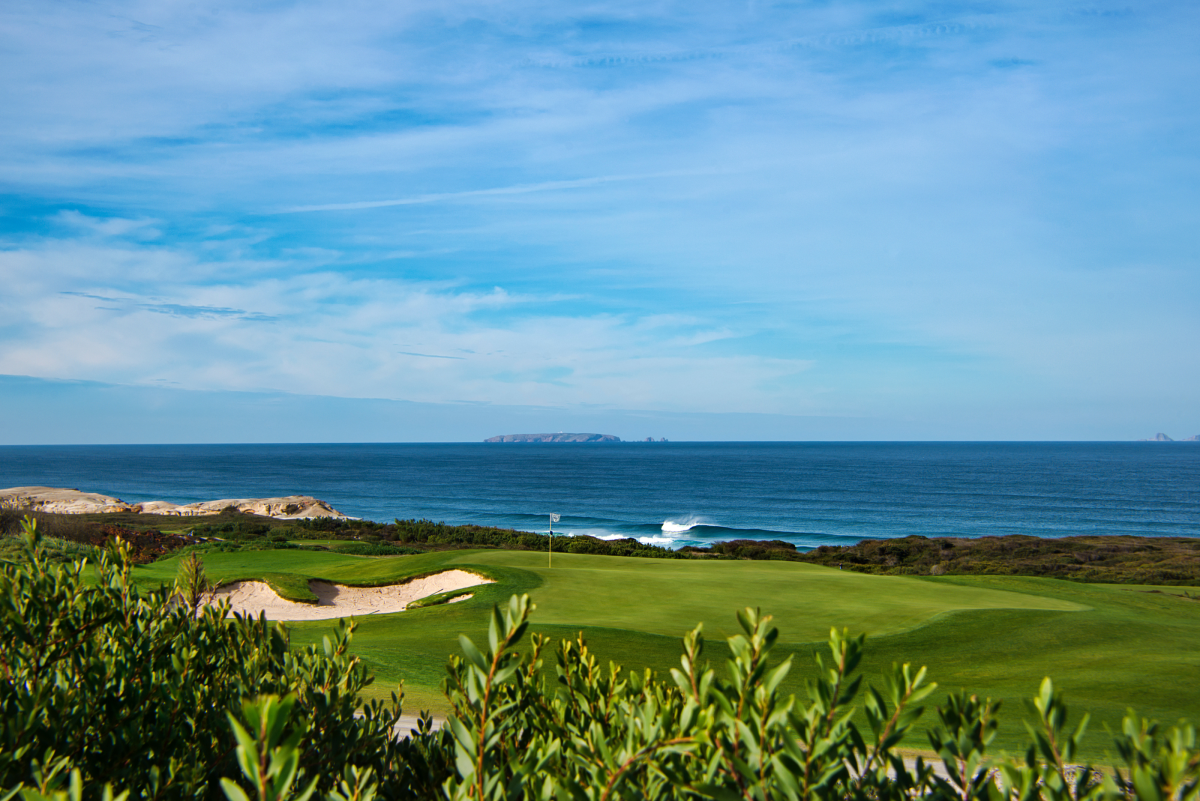
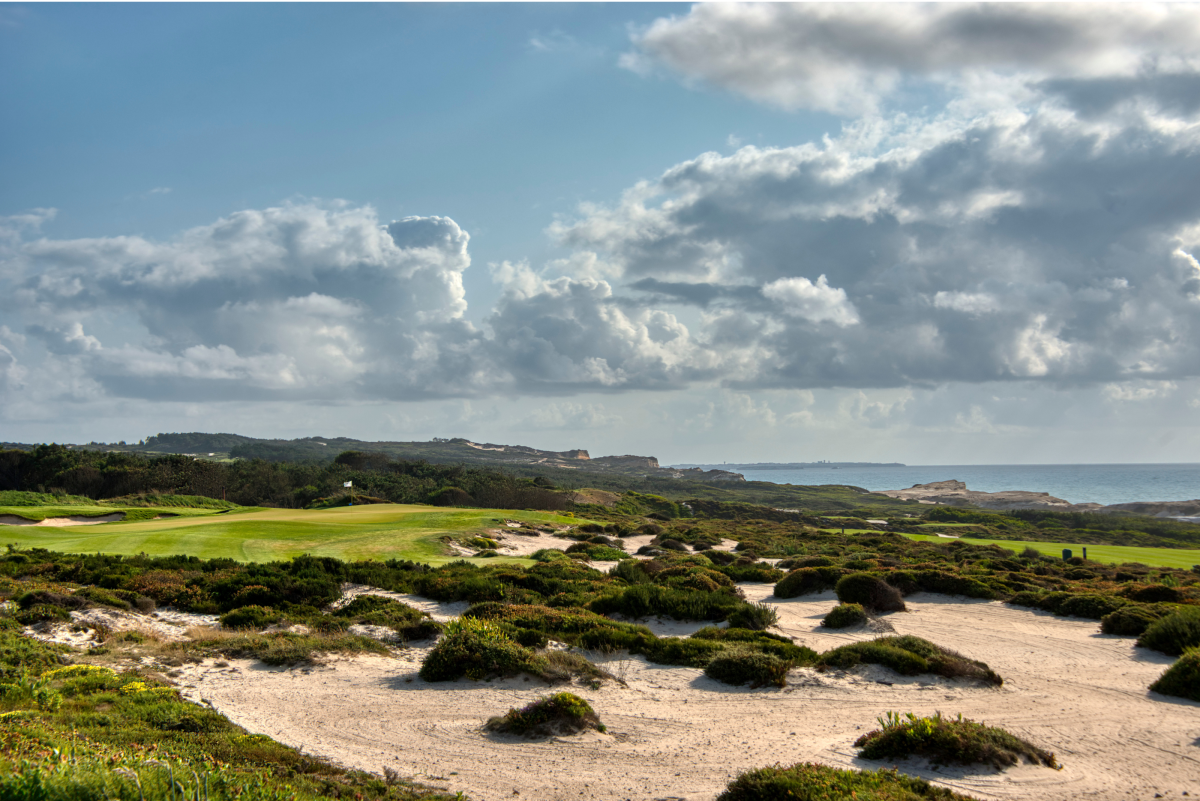
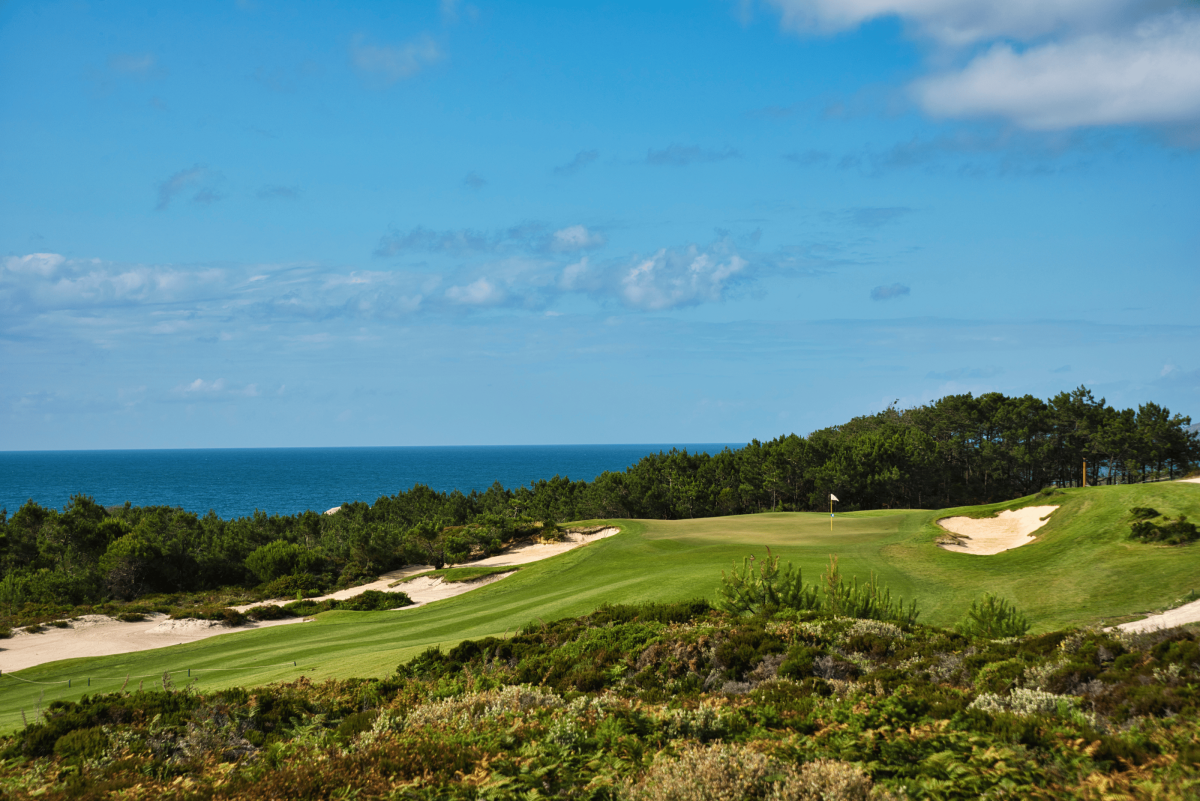
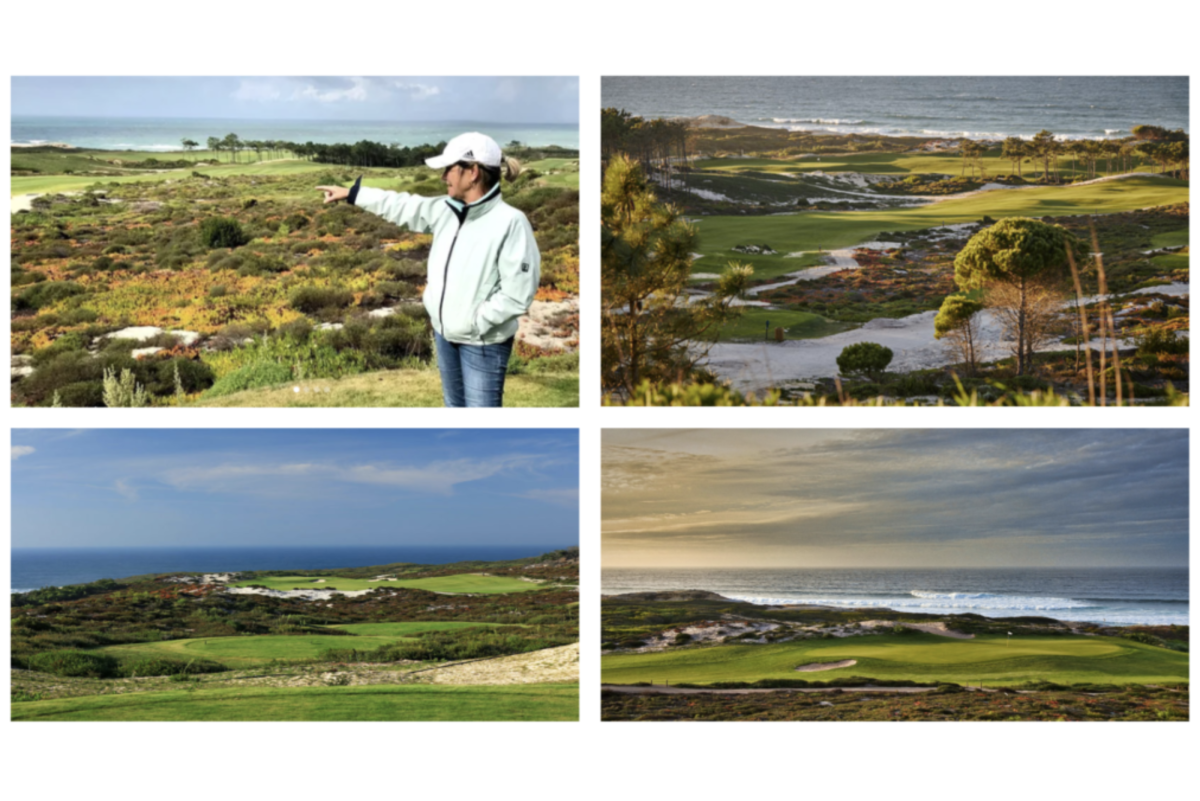
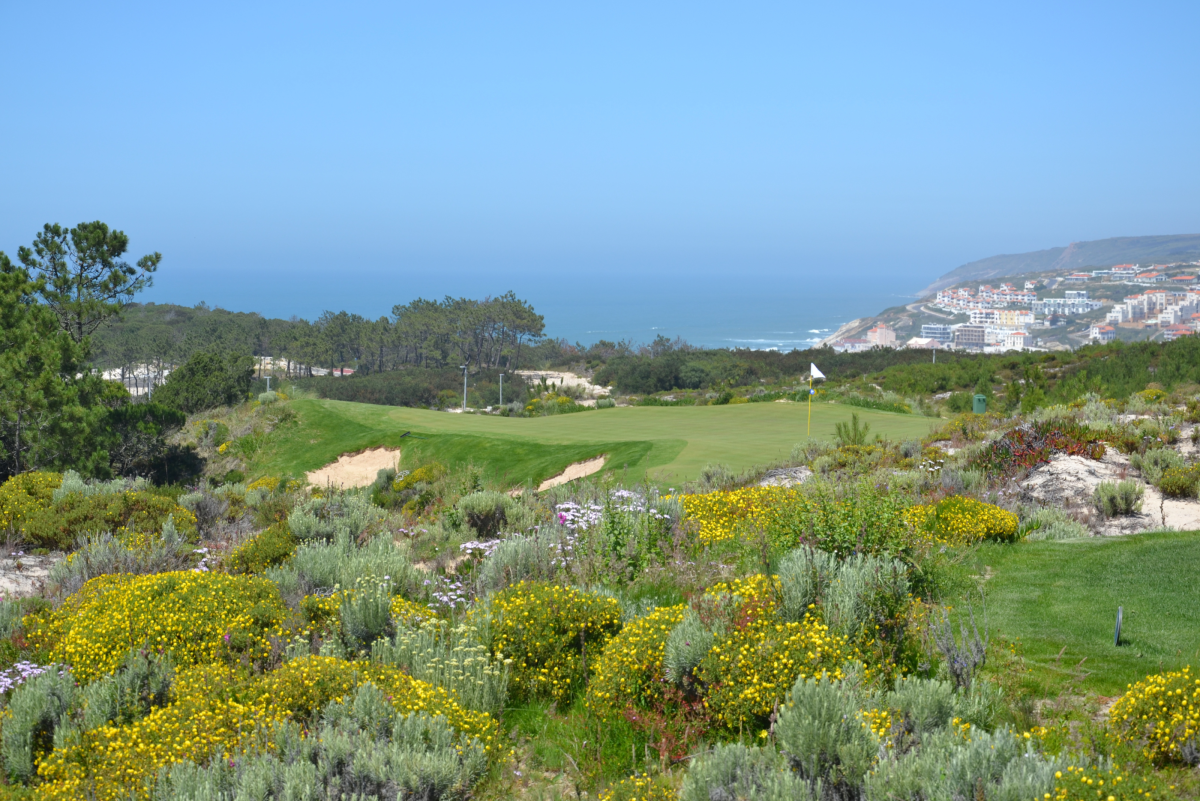
Cynthia was the lead architect on the West Cliffs Golf Links project in Portugal. The project received its GEO Certified development status in 2017. The course is situated within a UNESCO World Heritage Site and saw the site transform from intense forestry to over 203 hectares of natural habitat. The 18-hole course blends in seamlessly with the natural surroundings.
Some of the highlights from the project include:


Q - Are there any design principles that you carry throughout your projects?
I think there are lots of things that I do or include in my designs that impact sustainability without me realizing it. No matter what project I am working on I always design to ensure that all run-off is retained within the golf course itself. Whether it’s mandated by local regulations or not. I’ve carried that idea with me since my first solo design on the Olympic Peninsula near Seattle. During this project, we created a number of bio-ponds and swales to ensure that no run-off made it to wetlands that were flowing through the site. It was a great experience that taught me a lot about integrating design with nature.
Q - Site location plays a huge part in a golf course, what are your views on site selection and designing to fit the site?
I think that its important when creating a golf course that the course is true to its location. Unfortunately, most sites that are chosen for a golf course have become very degraded due to negative human impact, often the task is to re-energise the site with native and local habitats and species. For me this is probably one of the biggest challenges but it is also a passion of mines. Creating natural landscapes is key, I want to make sure my courses look like they are meant to be in that location and always have been. This not only enhances the natural environment but also the golfers experience.
Q - What trends have you seen in the golf industry over the past few years that link to sustainability in design?
I worked on a lot of golf courses with my family in Arizona and California in the 1980’s and that taught me the importance on water conservation. I have seen my fair share of droughts. In recent years there has been a movement of turf reductions on golf courses, this is what we were doing back in the 80’s. I study the latest drought-tolerant grasses, and irrigation technology and limit the turf area as much as possible. I think more and more people are trying to build a golf course that is firm, dry and requires the least amount of chemicals and fertilizers. That is certainly my goal.
Q - Can you talk to us a little bit about West Cliff Links?
West Cliffs was the first time I worked with GEO on a project. The site was a challenge, having been planted with industrial forestry in the 50’s I had to use all my expertise and experience in habitat recreation to return this site to how it would naturally look. The site had not been mapped in years and the topography maps we had to use were full of inaccuracies which meant we had to edit designs as we went, that was fine, it made it exciting. I’m really proud of the way that West Cliffs came to life and I think we combined habitat rehabilitation and golfer excitement perfectly.
Q - You mention working with GEO on West Cliffs, do you have anything else to say on them?
I recognize the importance that golf can play as an international sport that respects and can be a valuable service to its natural environment. Having an organisation like GEO involved in the industry is great for golf courses, communities and the world. Having GEO by my side to reinforce my decisions in adjusting the course design at West Cliffs was so helpful. With their help, I was able to preserve and restore this rare coastal habitat.
Find Cynthia and her work at:
.svg)
