Benjamim entered the golf industry more than 30 years ago while working as a Project Director at Salgados Golf Course in the Algarve. From the outset, he developed a strong connection with golf course construction, drawn to the challenge of bringing together multiple disciplines and variables to create projects that are both complex and unique.
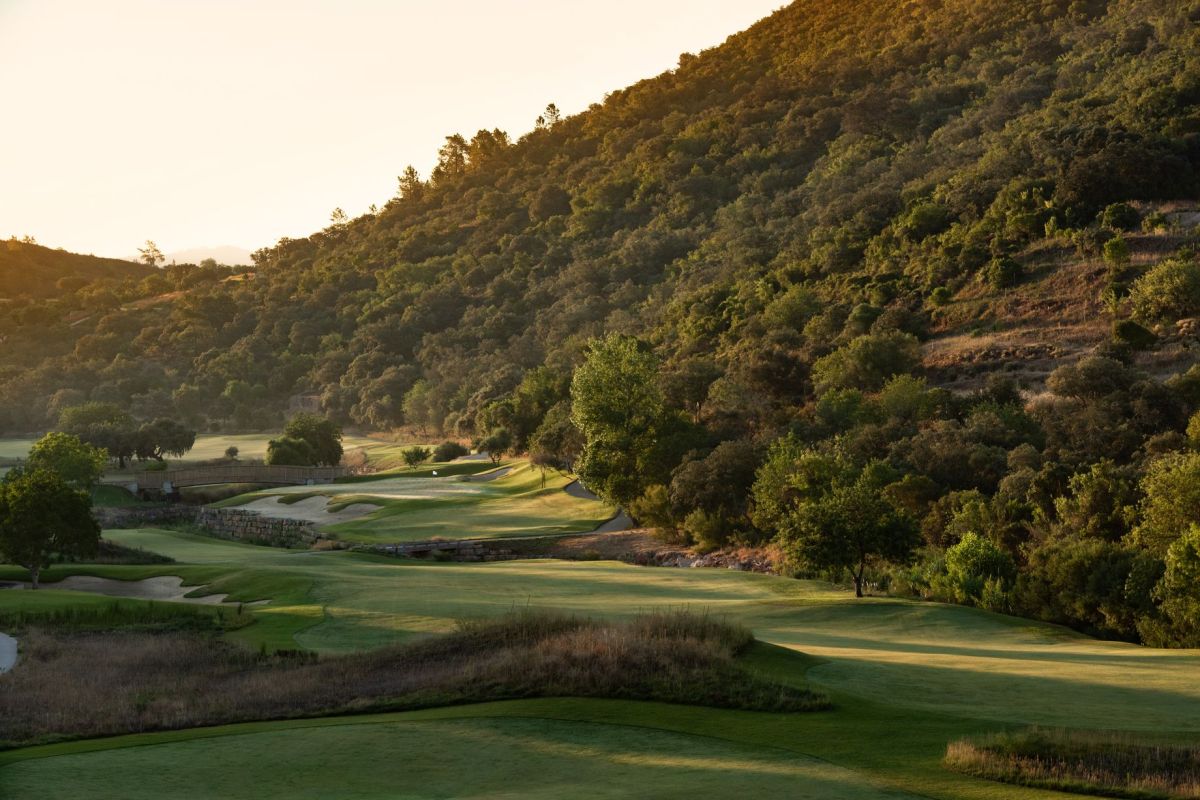
Early in his career, he recognised that building a golf course involves far more than simply executing a design. It requires a constant presence on site, involvement at every stage, and a deep commitment to the original concept. For him, the process is about reading the land, understanding natural systems, and shaping forms in a way that feels authentic. Although a golf course is man-made, the ultimate aim is for it to appear as though it has always belonged there—naturally connected with the landscape and its surroundings.
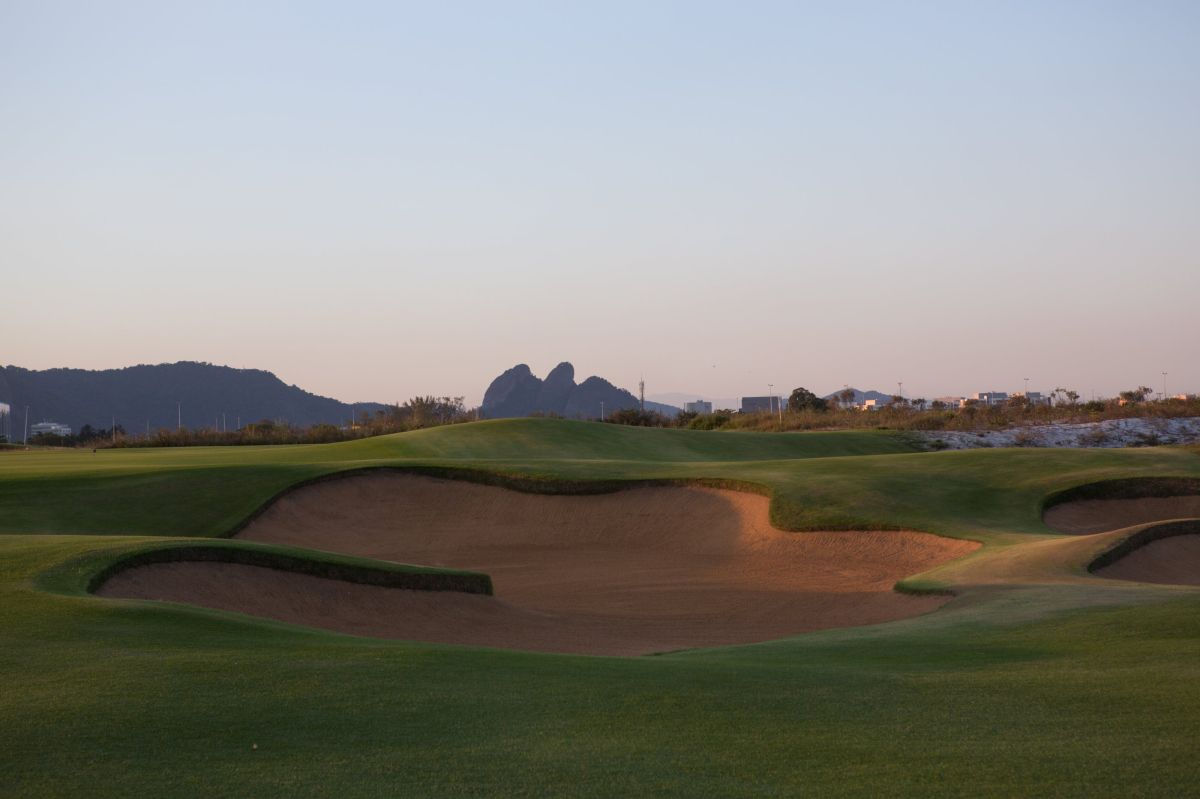
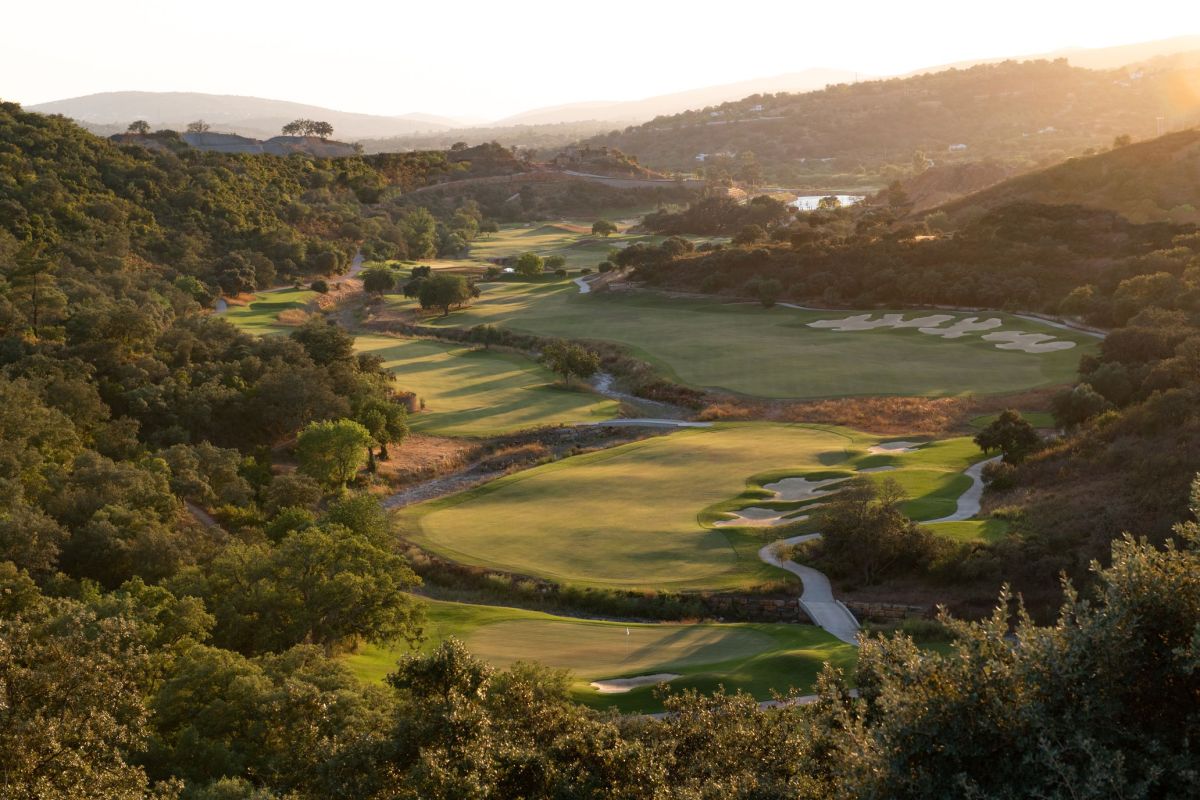
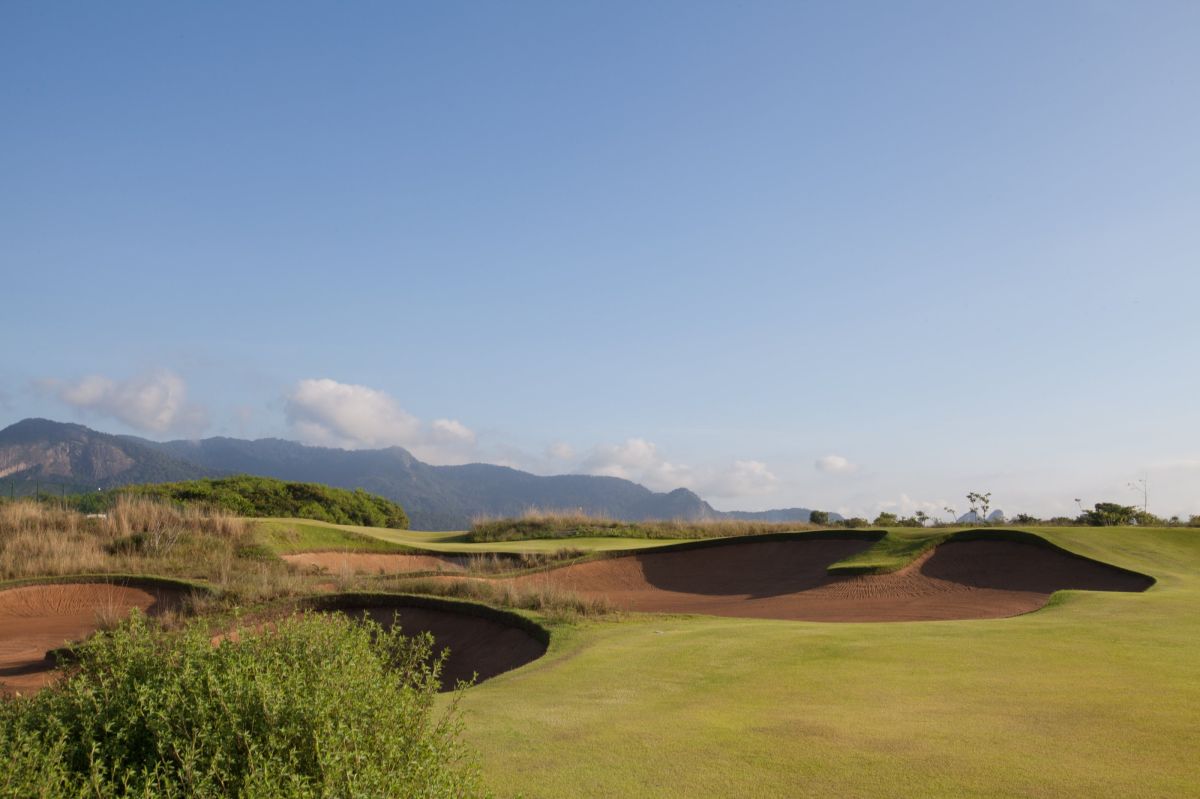
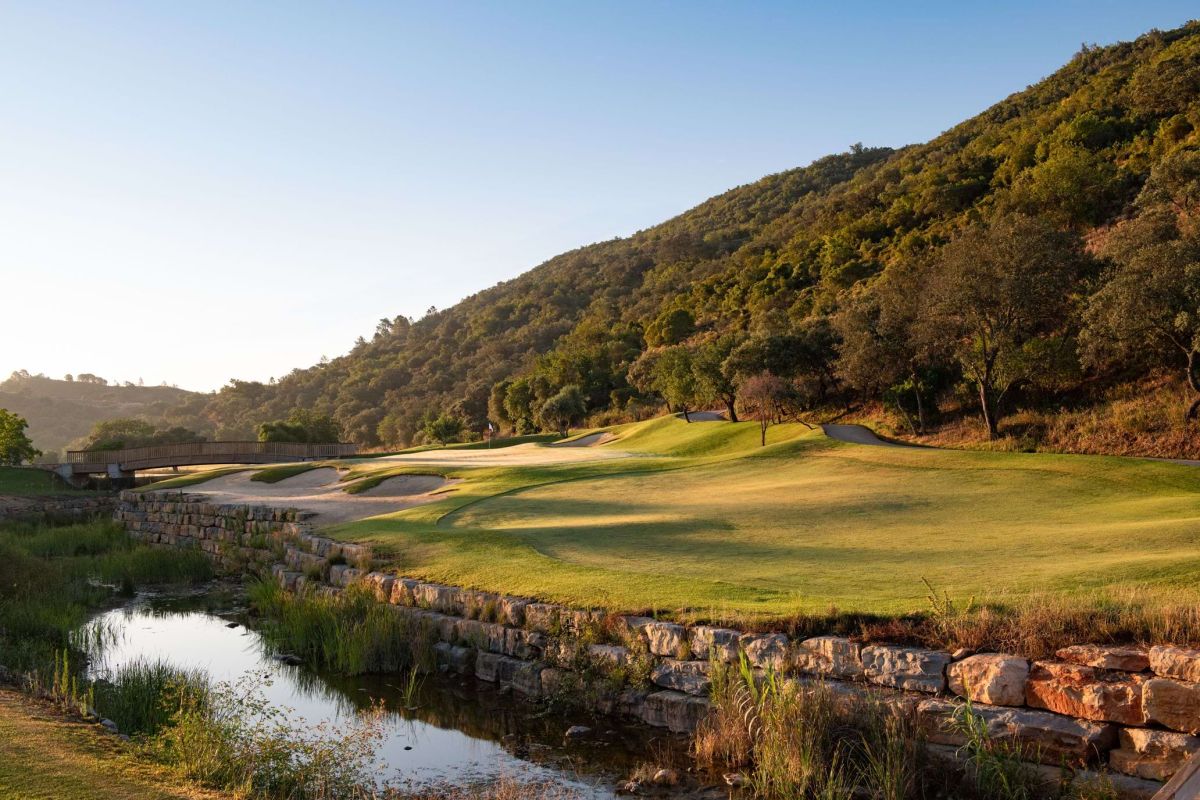
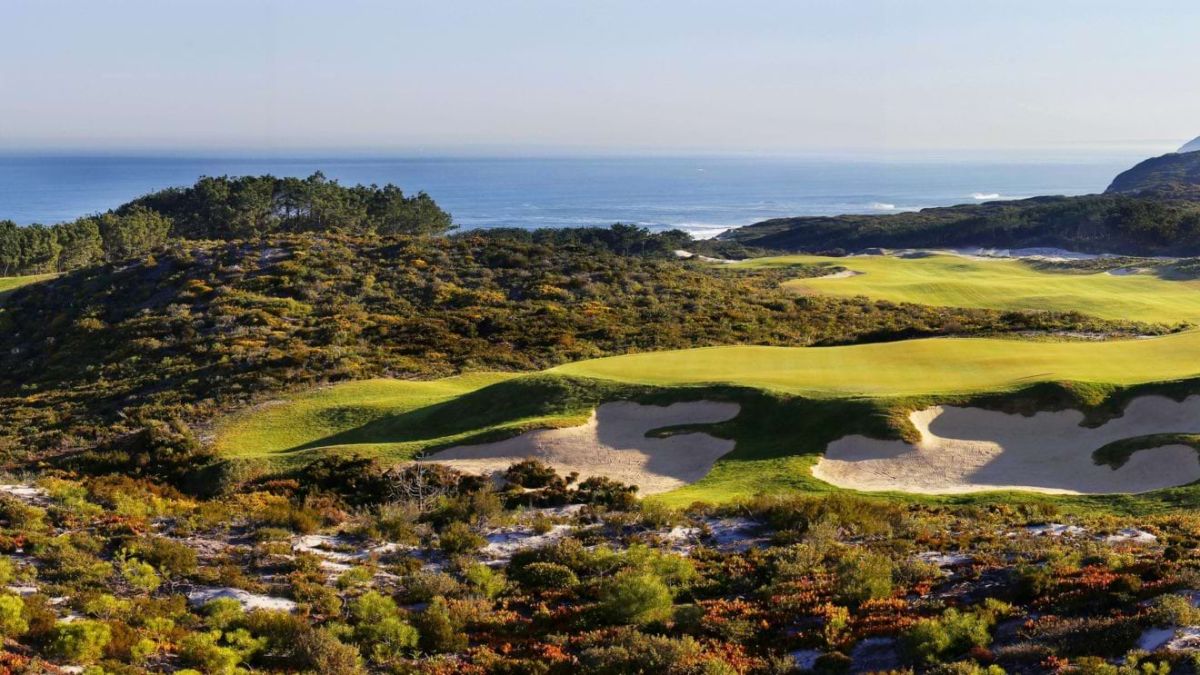
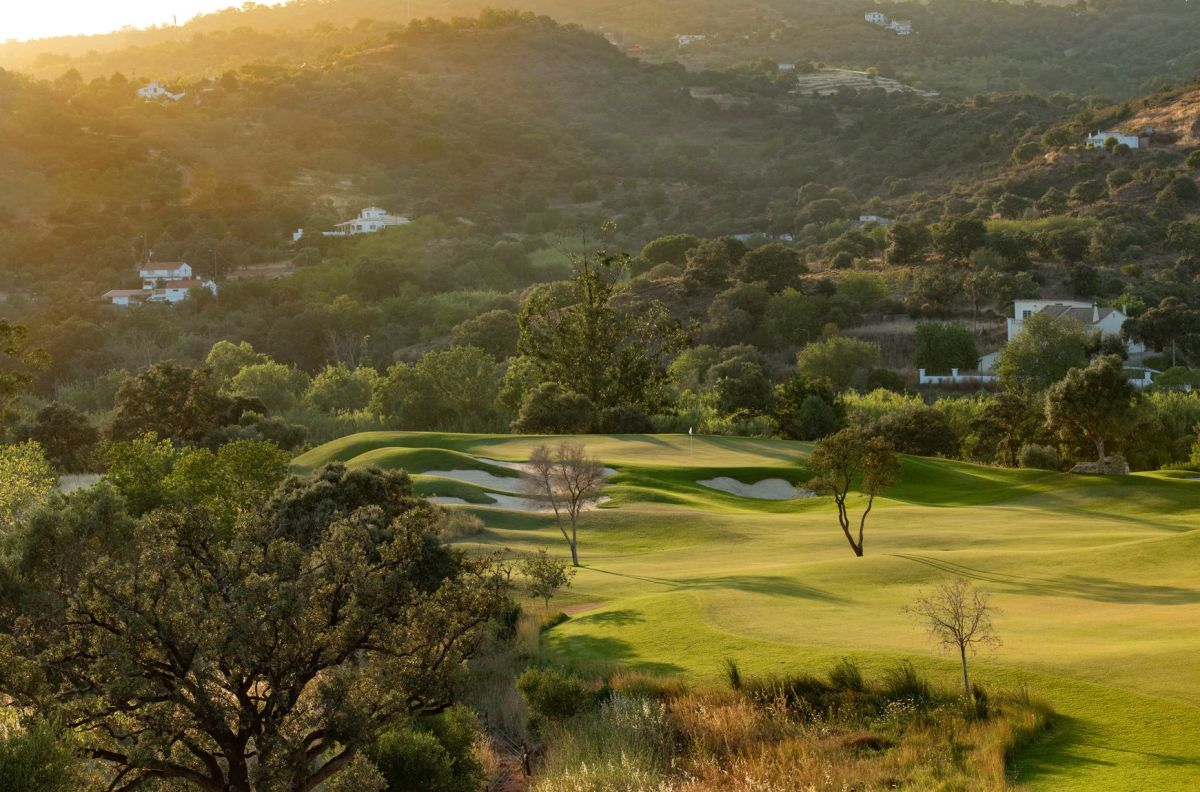
That passion led Benjamim to specialise deeper into golf course construction. Over the years, he has been responsible for delivering a number of notable projects in Portugal and internationally, including Monterei (Algarve), West Cliffs (Óbidos), Ombria (Algarve), Saadiyat Beach Golf Club (Abu Dhabi), the Olympic Golf Course in Brazil, the Els Club (Algarve), and Verdura Golf Resort in Sicily, among others.
Each project has contributed to his experience and reinforced his belief that great golf courses are created not only through technical expertise, but through respect for nature, the environment, and a genuine passion for the game.
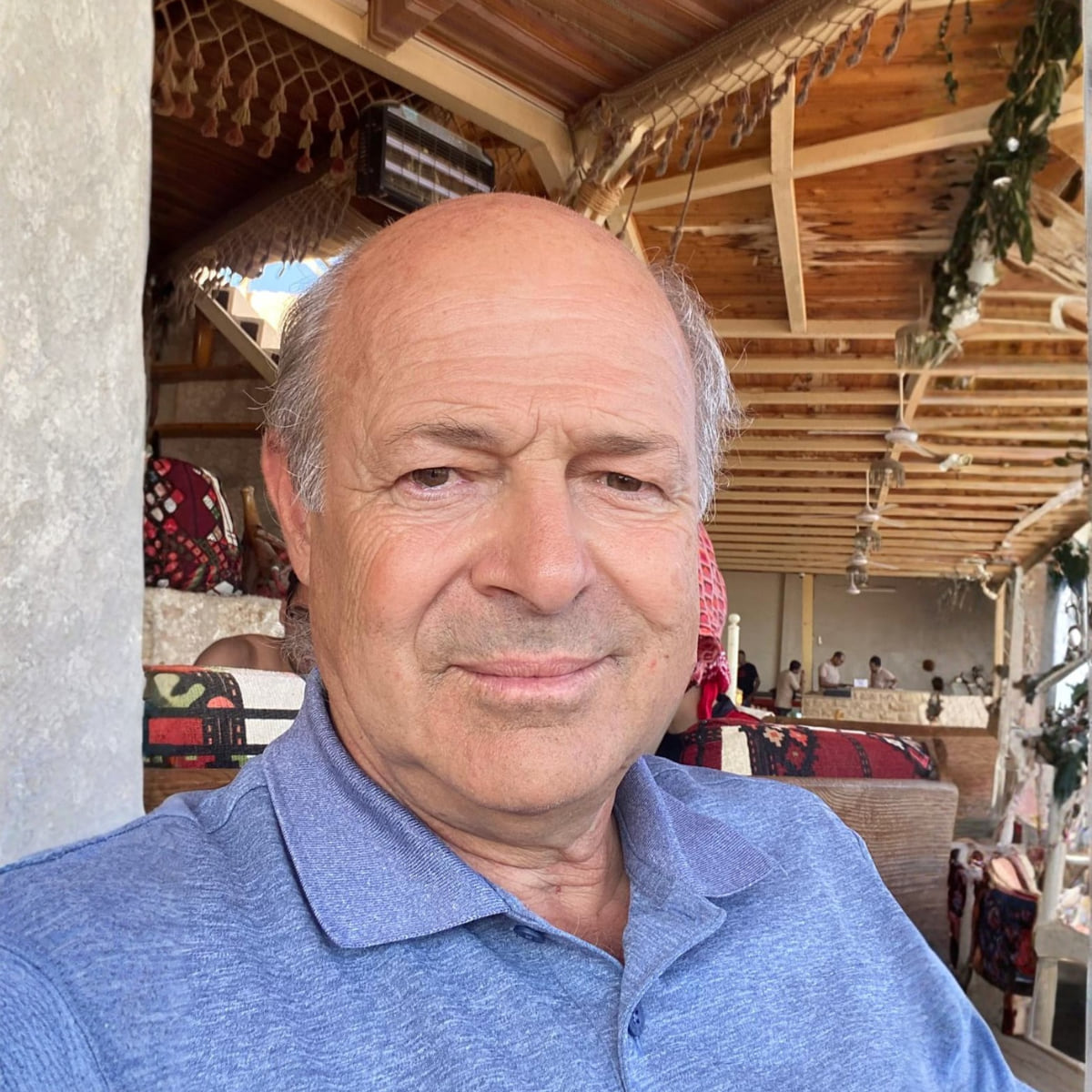
While my education provided a structured way of thinking and a deep respect for natural systems, it was my early professional experience that shaped my management style. Working in technical and highly controlled environments taught me patience, attention to detail, and the importance of doing things right the first time.
Benjamim Silva
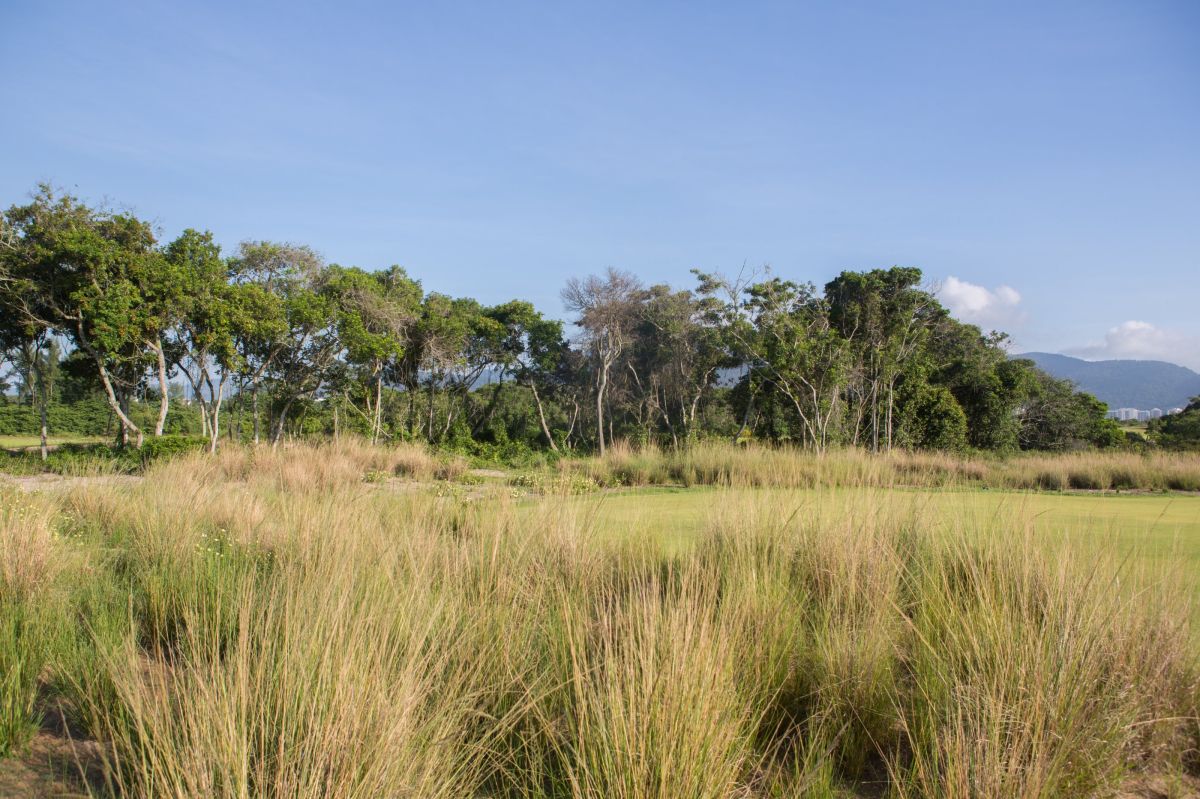
Benjamim has led construction on several GEO Certified Developments, including Ombria and West Cliffs in Portugal, as well as the Olympic Course in Rio de Janeiro, Brazil. These projects are strong examples of sustainable development, and Benjamim’s leadership on the ground has not only amplified their positive impacts but, in many cases, delivered additional benefits beyond those originally envisioned in the designs.
Some of the achievements these projects have produced include:


Q - Have you always been interested in golf? What are your first memories of playing the game, and are there any personal highlights for you?
I’ve been interested in golf for quite a long time. My first memories of the game involve playing casually and learning the basics, which quickly sparked my curiosity. Those early experiences motivated me to keep learning and to better understand the strategy behind the game. Some of my best personal highlights are the rounds where I surprised myself, especially those amazing shots you don’t forget.
Q – Did you always have plans to work in the golf industry and specifically golf course construction?
No, it was not part of an original plan. My entry into the golf industry—and ultimately into golf course construction—was the result of a professional journey driven by opportunity and strategic evolution. I began my career after earning a degree in Agricultural Engineering, initially serving as the director of an in vitro plant culture laboratory specialising in ornamental species, following that I was a landscaping project manager at a large-scale landscaping company.
That role provided me with a strong scientific and operational foundation, as well as leadership experience in managing teams, technology, and production processes. As my career progressed, I recognised the opportunity to apply my agronomic expertise on a broader and more complex scale. This led me into large-scale landscape and turf-related projects and into the golf sector.
Over time, I deliberately deepened my involvement in golf course construction, where technical excellence, environmental responsibility, and long-term asset value intersect. What began as an unplanned transition evolved into a focused career path, allowing me to be part of our successful Progolf Group company, dedicated to delivering high-quality, sustainable golf projects.
Q – Do you think that your upbringing and or education influenced the way that you manage the construction process and your style of construction management?
Yes, absolutely. Both my upbringing and my education have had a significant influence on the way I approach the construction process and my style of construction management. My academic background in Agricultural Engineering instilled in me a scientific mindset, a respect for planning and process, and a good understanding of natural systems, all of which I consistently apply when managing complex construction projects.
While my education provided a structured way of thinking and a deep respect for natural systems, it was my early professional experience that shaped my management style. Working in technical and highly controlled environments taught me patience, attention to detail, and the importance of doing things right the first time.
On construction sites, I carry these lessons with me. I tend to be hands-on, attentive to detail, and closely involved with the teams on the ground. I believe in listening, learning from experience, and creating an environment where people feel both accountable and supported. This combination of personal values and technical background has strongly influenced the way I manage construction projects—balancing discipline with flexibility, and high standards with respect for people and the natural environment.


Q - How well of a fit do you think golf course construction and sustainability are? Do you find it difficult to prioritise sustainability throughout construction?
I believe golf course construction and sustainability are not only compatible but fundamentally interconnected. When approached correctly, sustainability is not an added constraint to the construction process—it is an integral part of good golf course design, construction, and long-term management.
During construction, prioritising sustainability involves careful attention to site-specific factors such as soil composition, topography, and hydrology. Efficient earthmoving and grading minimise disruption and erosion, while precise drainage and irrigation planning reduce water consumption and prevent runoff. Selecting turfgrass species adapted to local conditions lowers the need for fertilizers, pesticides, and excessive irrigation.
Material sourcing is also critical: using locally available or recycled materials wherever possible reduces the carbon footprint of the project. On top of that, protecting and integrating existing vegetation and natural habitats enhances biodiversity and ecosystem health.
By addressing these aspects systematically, sustainability becomes a natural part of construction and management rather than a constraint. From a management perspective, sustainable solutions often lead to better-performing golf courses: lower water, lower energy consumption and healthier turf systems.
Q – You have worked on several projects now that have achieved GEO Development Certification - West Cliffs, Ombria, and the Rio Olympic. How have you found the process, and do you think it has helped ensure the best results?
Absolutely. Working on projects that achieved GEO Development Certification has been a very positive and rewarding experience. The certification process provides a clear framework and set of standards that guide every stage of a project, from construction through to operational management.
Following the GEO principles has helped us implement structured processes, monitor key environmental indicators, and ensure that sustainability measures are effectively applied on site. For example, it reinforces careful water management, biodiversity protection, waste management, and responsible material use, while also encouraging ongoing evaluation and adaptive measures.
I believe the process not only ensures that these projects meet high environmental and sustainability standards but also improves efficiency, reduces risks, and ultimately delivers better-performing golf courses.
In my experience, GEO certification acts as both a roadmap and a quality assurance tool, helping teams stay focused on achieving measurable and lasting outcomes.
Q – Do you have any principles that you take into each project to ensure you get the most sustainable construction process possible?
Yes, absolutely. Over the years, I have developed a set of principles that I apply to every project to ensure the process is as sustainable as possible.
Careful planning and site analysis. This includes:
Understanding these factors upfront allows us to minimise earthmoving, prevent erosion, and protect natural habitats and sensitive species.
Efficient water and drainage management: Irrigation systems and drainage networks designed to work with the site’s natural hydrology reduce water consumption and prevent runoff, while selecting turfgrass species adapted to the local climate further lowers resource requirements.
Responsible material use: We prioritise locally sourced, recycled, or low-carbon materials wherever possible, and aim to minimize waste during construction.
Protecting biodiversity and ecosystems: Wherever feasible, we integrate natural features into the course, conserve native vegetation, and create conditions that support wildlife.
Monitoring and adaptive management: throughout the construction process ensures that sustainability targets are met. This includes regular reviews, soil and water testing, and proper sorting and disposal of waste to appropriate facilities.
By following these principles, sustainability becomes an integral part of the construction process, resulting in golf courses that are not only high-quality and playable but also environmentally responsible.
Q - Can you give us a few words on becoming a sustainable golf champion, and what does it mean to you to be championing sustainability through golf?
Becoming a sustainable golf champion is both an honour and a responsibility.
It means actively promoting environmental stewardship, resource efficiency, biodiversity, and environmental protection across every stage of golf course construction, while demonstrating that sustainability and high-quality golf are fully compatible. It is also about creating courses that not only meet today’s expectations but also leave a positive environmental legacy for future generations.
Q – There has been an uptake in sustainable thinking over recent years. How do you think perceptions of sustainability in golf have changed, and how do you see that changing in the future?
Over the past several years, I have noticed a significant shift in how sustainability is perceived in the golf industry.
Sustainability is no longer seen as a secondary consideration; it has become a fundamental element in course design, construction, and long-term management. Golf courses are recognised not just as sporting venues, but as landscapes that can deliver environmental, social, and economic value.
In my experience, this shift has been driven by growing awareness of resource efficiency, water management, biodiversity protection, and broader environmental responsibility. Players, operators, investors, and communities now expect courses to perform sustainably, and certifications such as GEO have helped set clear standards and best practices.
Looking to the future, I believe sustainability will become even more integrated and sophisticated. We will see wider adoption of advanced technologies—such as more frequent soil and water monitoring systems, drone-based habitat and disease surveys, and data-driven irrigation management.
Ultimately, sustainability will not just be a goal, but a defining characteristic of high-quality golf courses.
Q – Finally, do you have any words on GEO, and their role in driving sustainability throughout the industry? Do you think the support they provide is helpful and productive during the construction process?
GEO has played an outstanding role in implementing sustainability across the golf industry. Their guidance, standards, and support provide a clear framework that helps teams adopt best practices, monitor environmental performance, and make informed decisions throughout the construction and management process.
I have seen firsthand how GEO’s involvement encourages careful resource management, biodiversity protection, and responsible environmental actions, while also inspiring continuous improvement in sustainability and efficiency. The support that GEO provides is not only helpful but genuinely productive, ensuring that projects meet high environmental standards without compromising playability or quality.
Congratulations to everyone at GEO for their dedication, hard work, and commitment to continue striving for greater environmental performance—minimising impacts on ecosystems and leaving a positive legacy for future generations.
Find Benjamim and his work at:

